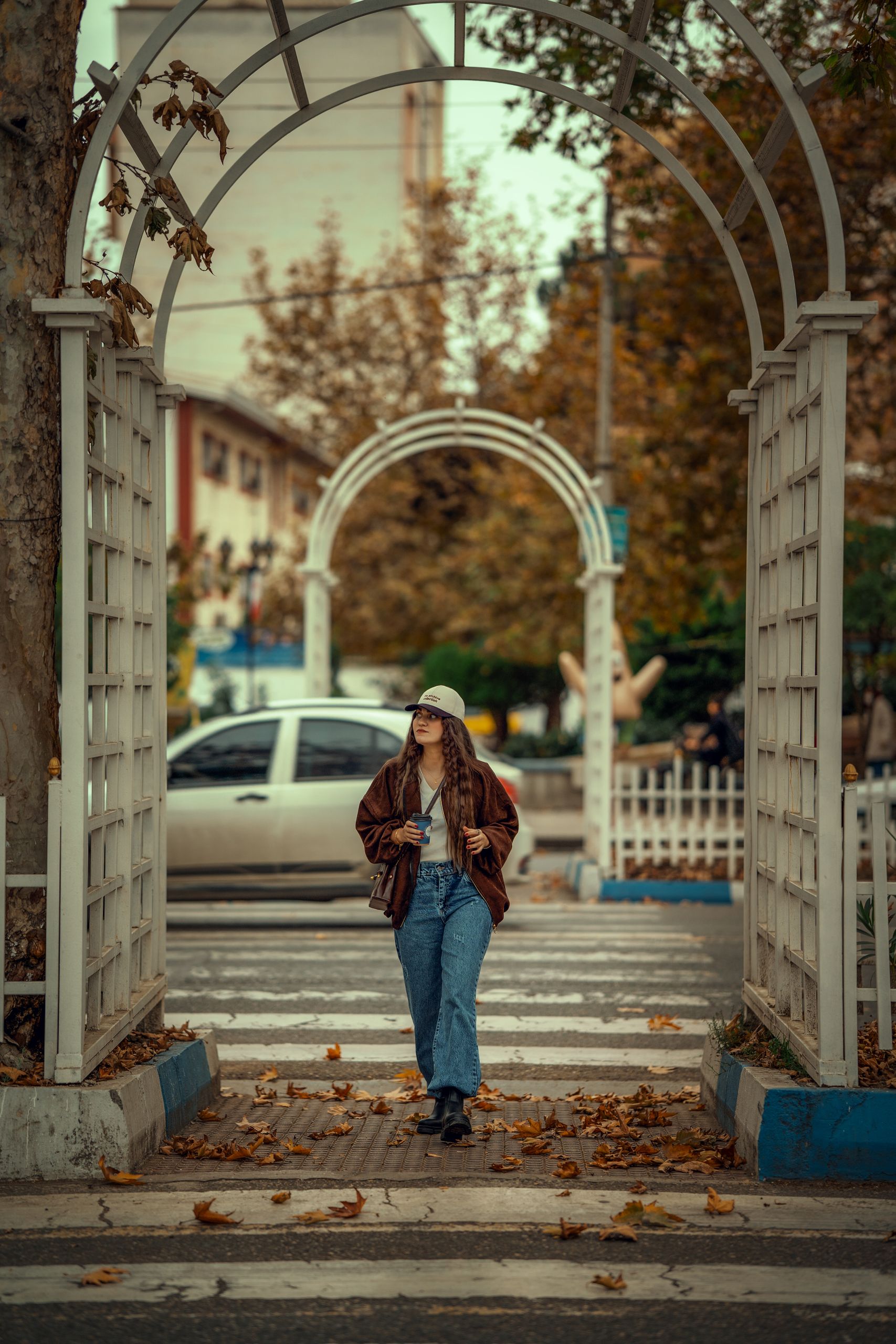
The Long Walk That Clears the Noise
Sometimes my thoughts need a road.
They do not need another chair, another screen, or another conversation in which I try to explain what I have not yet understood. They need movement, air, and enough distance from the place where the worry began repeating itself.
When my mind feels crowded, I put on my shoes and walk.
The first few minutes rarely feel peaceful. Unfinished tasks follow me outside. Old conversations replay themselves, while decisions I have been avoiding compete for attention.
Still, I keep moving.
Eventually, my breathing finds a rhythm. The noise does not disappear, but it begins to separate into recognizable pieces. One thought becomes less urgent. Another reveals the question beneath it.
By the time I return, the problem may remain.
Yet I often feel less trapped inside it.
That is what long-walk clarity means to me. Walking does not always provide an answer. Instead, it creates enough room for me to hear what my mind has been trying to say.
The First Miles Are Often the Noisiest
I do not step outside and immediately enter a peaceful state.
At the beginning of a walk, my thoughts may feel louder because fewer distractions compete with them. Without a screen, meeting, or household task in front of me, everything I postponed begins asking for attention.
A sentence from an earlier conversation returns. Then I remember an email, a deadline, or something I should have handled differently.
For a while, the walk may feel like carrying the entire day outside with me.
That does not mean the practice has failed.
The mind often needs time to empty its pockets before it can settle.
Movement Gives the Mind Something Steady
Walking creates repetition without demanding much interpretation.
One foot lands, then the other. My arms move, the scenery changes, and the body continues forward even when the mind circles the same question.
That physical rhythm gives my thoughts a structure.
Instead of sitting still while anxiety gathers speed, I have somewhere to place the energy. The body carries part of what the mind has been holding alone.
Gradually, the thought may become easier to examine.
The Body Notices Before Language Catches Up
Sometimes, I believe I am confused when my body has already reached a conclusion.
My shoulders tighten around a particular subject. My breathing changes, or I feel immediate relief when I imagine choosing one option over another.
Walking makes those responses easier to notice.
A woman’s body is often treated as something to discipline, improve, display, or use in service of other people. I want to remember that the body can also hold information.
It may recognize exhaustion before I admit I need rest. Likewise, it can sense fear, safety, resistance, and desire before I have arranged those feelings into a persuasive explanation.
Not Every Feeling Needs to Be Overruled
I have spent enough time trying to reason myself out of physical signals.
Perhaps I tell myself that I should have more energy, tolerate the situation longer, or stop being affected by something that appears manageable from the outside.
During a walk, that argument often weakens.
The body does not care how impressive the plan sounded. It communicates the cost of carrying it.
Listening does not mean every discomfort becomes a final decision. However, discomfort deserves consideration rather than automatic dismissal.
Walking Helps Me Separate Urgency From Importance
When several concerns arrive at once, everything can feel equally serious.
An unanswered message competes with a major decision. A small mistake takes up the same mental space as a problem that could change the direction of my life.
Distance helps restore proportion.
After twenty or thirty minutes, I may realize that one issue only requires a short response. Another needs more information, while the question creating the most anxiety may not require an immediate answer at all.
The walk does not reduce responsibility.
It helps me place responsibility in the correct order.
Some Problems Need Movement More Than Discussion
Conversation can offer comfort, perspective, and valuable advice.
Still, talking too soon can make me search for someone else’s interpretation before I have heard my own. I begin explaining, defending, and answering questions when the experience is still taking shape.
Walking gives me privacy without forcing stillness.
I can let the issue remain unfinished while my body moves through the world. No one needs a polished summary, and I do not need to decide which part of the story will make the most sense to another person.
For a while, the experience belongs only to me.
A Walk Is Not the Same as Avoidance
Movement can become an escape when I use it only to delay action.
I can walk for miles and still avoid sending the message, making the appointment, or naming the truth that keeps returning.
Therefore, I try to distinguish reflection from postponement.
If the same insight follows me home repeatedly, the next step may no longer be another walk. It may be a decision, a conversation, or a boundary.
Clarity becomes useful when it eventually changes how I respond.
Wandering Has Its Own Purpose
Walking without a destination can feel irresponsible in a culture that wants every activity to produce a measurable result.
Exercise should burn calories. Travel should collect landmarks, while free time should improve productivity or prepare me for more work.
Wandering resists that pressure.
I may choose a street because the light looks good or turn toward a park simply because I have not walked there before. The route does not need to prove its value in advance.
Sometimes, purpose appears only after I stop chasing it.
Solo Walking Strengthens Self-Trust
Walking alone has taught me to make small decisions without seeking permission.
I choose the route, the pace, the distance, and the moment when I have had enough. If something feels unsafe or physically uncomfortable, I can change direction.
That freedom connects with my reflections on solo travel confidence and learning to trust my own rhythm.
Self-trust often grows through ordinary choices rather than dramatic acts of bravery.
Every time I listen, adjust, and bring myself home safely, I strengthen the relationship I have with my own judgment.
Safety Shapes Where Freedom Is Possible
Not every woman can walk everywhere with ease.
Lighting, traffic, harassment, poorly maintained sidewalks, loose dogs, and the absence of other pedestrians can change how safe a route feels. Race, gender, disability, age, and neighborhood design also shape who can move through public space without being questioned or threatened.
I do not want to romanticize wandering as though everyone receives the same freedom.
Before a walk, I consider the time, weather, phone battery, traffic, and how I will return. Awareness does not remove every risk, but it helps me make informed choices.
Public space should support freedom of movement.
Too often, women must provide our own safety infrastructure.
Walking Can Be Rest Without Being Still
Rest does not always mean lying down.
Sometimes, the body needs gentle movement more than complete stillness. A slow walk can release the physical tension created by hours of sitting, working, traveling, or holding myself tightly through stress.
This connects with my reflections on women, rest, and why softness is not surrender.
Rest should respond to what the body needs rather than follow one fixed image.
On one day, recovery may require sleep. On another, it may look like walking slowly without asking the body to perform.
The Pace Changes the Quality of the Thought
A rushed walk can reproduce the urgency I am trying to escape.
If I track every minute, push the pace, and treat the route as another task to complete, my mind may remain in performance mode.
Slowing down changes the experience.
I notice trees, buildings, weather, and people. More importantly, I stop demanding that clarity arrive on schedule.
The walk becomes a place where thought can unfold rather than another environment in which I must achieve.
Long Walks Teach Me to Stay With a Question
Modern life encourages quick conclusions.
I can search for advice, ask for opinions, or consume enough information to feel as though the answer should be immediate.
A long walk teaches a different kind of patience.
The same question may remain with me for several miles. At first, I argue with it. Later, I become curious about why it has such power.
Not every question needs to be solved quickly.
Some need to be accompanied until their true shape becomes visible.
The Environment Joins the Thinking
Where I walk affects what I notice.
A path near water may settle me differently from a crowded commercial street. Trees, traffic, open sky, architecture, and even the width of the sidewalk influence the pace of my body.
Changing environments can also loosen a thought.
A problem that felt immovable indoors may seem less absolute beneath a larger sky. That does not mean nature magically solves human difficulty.
It simply reminds me that the room where I became overwhelmed is not the entire world.
Walking Through a New Place Adds Another Layer
When I travel, walking becomes a form of learning.
Moving at street level reveals details that disappear through a vehicle window. I notice storefronts, public art, housing patterns, smells, sounds, and the ways people use public space.
A walking experience booked through GetYourGuide can add historical and cultural context to what I see.
A thoughtful guide may explain why a neighborhood developed in a particular way or help me understand the stories hidden inside familiar-looking buildings.
Movement creates access to place. Context makes that movement more meaningful.
Walking Alone and Walking With a Guide Serve Different Needs
A guided walk gives me structure, information, and a route shaped by someone else’s knowledge.
Walking alone offers silence, freedom, and room for my attention to move wherever it wants.
I value both.
Some days call for learning. Others require a path without commentary, questions, or a planned destination.
The important part is recognizing what I need before deciding how to move.
Comfortable Gear Protects the Practice
Clarity becomes harder to reach when my feet hurt or I am distracted by poor preparation.
Supportive shoes, water, weather protection, a charged phone, and a comfortable way to carry essentials can make a long walk safer and more enjoyable. I share some of the walking and travel items I use or recommend through my Amazon travel shop.
Good gear cannot produce insight.
However, it can reduce the physical problems that prevent me from staying present long enough for insight to emerge.
Not Every Walk Needs Audio
Podcasts, music, and audiobooks can make walking more enjoyable.
They can also keep my mind occupied when what I need most is space.
Sometimes, I begin with sound because silence feels too abrupt. After a while, I remove the headphones and listen to the environment.
That transition often reveals how much mental input I have been carrying.
Silence is not always peaceful, but it allows my own thoughts to become audible again.
Ideas Arrive When I Stop Forcing Them
Writing problems often follow me onto the road.
I may struggle with an introduction, title, argument, or sentence that refuses to settle. Sitting in front of the screen only makes the frustration louder.
During a walk, the pressure changes.
Because I cannot immediately edit every word, the idea gets to develop before I judge it. A phrase may arrive halfway through the route, followed by the connection I could not see at the desk.
Creativity often needs movement as much as discipline.
I Need Somewhere to Put What Becomes Clear
An insight can disappear quickly once the walk ends.
I may believe I will remember the exact sentence, only to lose it while unlocking the door or responding to a message.
For that reason, I sometimes record a brief voice note or write a few words in my phone. A small notebook can also help when I want the physical act of writing.
I do not try to document the entire walk.
One honest sentence may be enough to preserve what shifted.
Clarity Does Not Always Feel Comfortable
Sometimes, a walk confirms what I hoped was not true.
I may realize that a situation no longer fits, that I need to apologize, or that avoiding a decision has already become a decision of its own.
Clarity can bring relief, but it can also create responsibility.
Once I understand what needs to change, I must decide whether I am willing to act on that knowledge.
The road does not promise an easy answer.
It offers a more honest one.
Some Walks Give Me Nothing Obvious
Not every outing produces a breakthrough.
I may return with the same question, the same uncertainty, and no beautiful sentence to explain the experience.
The walk still may have helped.
My body moved. I breathed different air, interrupted the loop, and spent time away from the screen.
Clarity is not the only valid outcome.
Sometimes, the benefit is simply becoming less tense around what I do not yet know.
Coming Back Less Crowded
When I return from a long walk, the world has not usually transformed.
The unanswered message still exists. Work remains, and the difficult conversation may still need to happen.
Yet something inside me often feels more spacious.
The worries that arrived as one solid mass have separated into pieces. I can see what needs action, what needs patience, and what may not deserve the energy I was giving it.
That is the gift of long-walk clarity.
Walking does not fix me, and I do not want every movement to become another self-improvement project. The road simply gives my thoughts somewhere to go.
Step by step, the body helps carry what the mind has been circling.
Some days, an answer appears. On others, I return only knowing that I need more time.
Either way, I usually come back less crowded.
Not perfect.
Not finished.
Just clear enough to take the next honest step.
Explore more reflections on walking, solo travel, self-trust, and finding a more human pace through DG Speaks Travel. You can also read more about women, rest, public space, and embodied wisdom through DG Speaks Culture, or discover how meals and everyday rituals support physical and emotional well-being through DG Speaks Food.