NASCAR and the American Need for Speed
The first thing you notice at a NASCAR event is the sound.
Not just noise. Force.
The engines vibrate through the body before the cars even appear on the track. Conversations pause mid-sentence as thousands of people collectively turn toward movement happening at nearly 200 miles per hour. For a moment, the atmosphere feels less like a sporting event and more like a ritual organized around velocity itself.
And honestly, that may be exactly what NASCAR is.
For decades, NASCAR has occupied a uniquely powerful place within American culture. The sport blends regional identity, working-class mythology, patriotism, masculinity, tourism, corporate branding, family tradition, spectacle, and technological obsession into one enormous traveling performance.
Yet people who dismiss NASCAR often misunderstand what draws millions of fans to it.
The attraction is not simply racing.
It is emotion.
The Romance of Motion
America has always romanticized movement.
The open highway, the road trip, the muscle car, the motorcycle, the freedom to leave, the fantasy of reinvention through mobility. Motion itself became part of the national identity long before social media transformed everything into content.
NASCAR exists within that mythology.
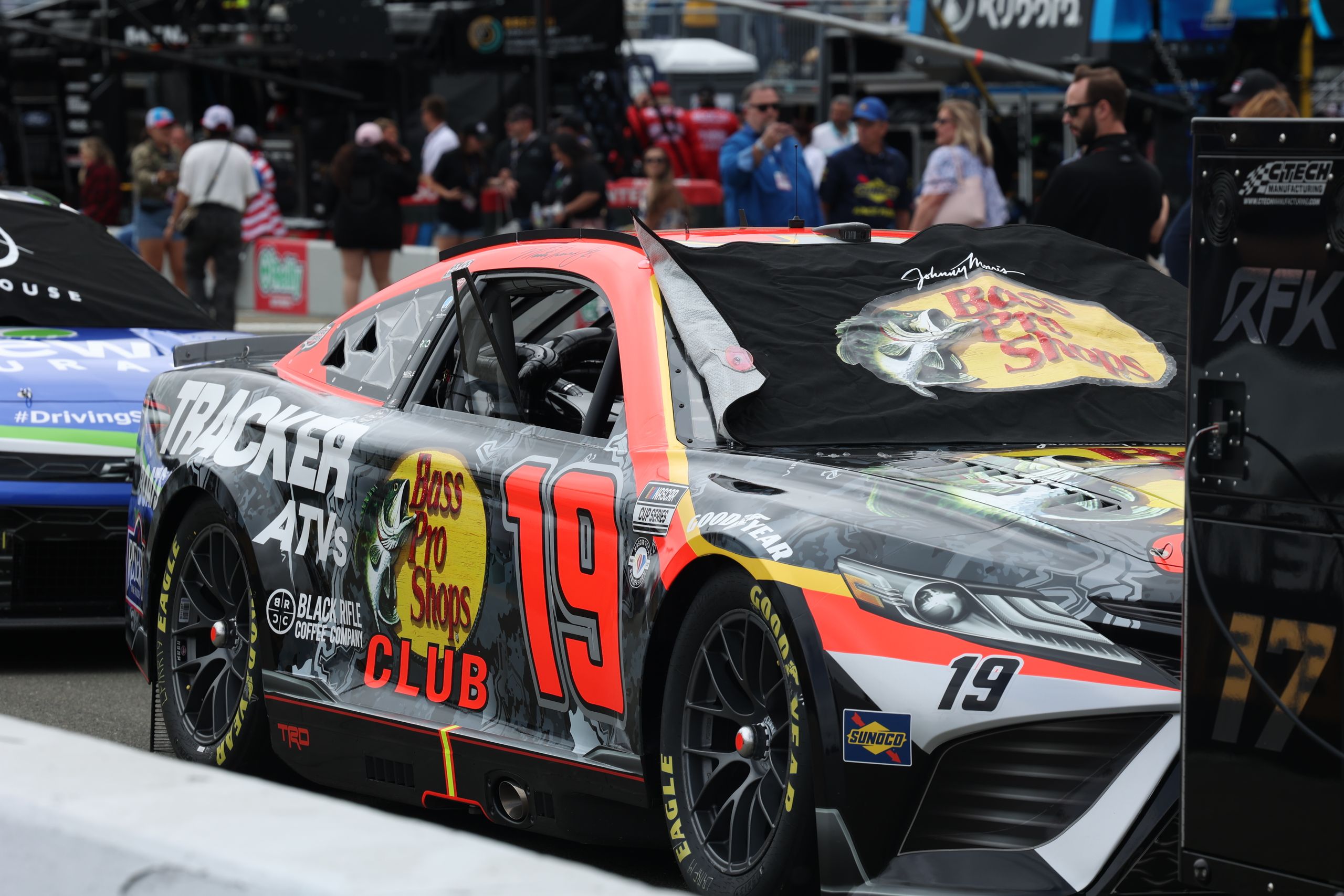
At the track, people gather not only to watch competition, but to participate in a distinctly American atmosphere built around speed, machinery, ritual, and collective excitement. Entire families camp together for race weekends. Fans wear driver loyalty almost like political affiliation. Sponsors become cultural symbols. Tailgating stretches across massive parking lots while music, food, merchandise, and regional pride blend into a single environment.
The experience feels immersive because it is.
Even people who arrive skeptical often leave understanding the emotional pull.
There is something strangely hypnotic about watching cars move at impossible speeds while tens of thousands of strangers react together in real time.
Engines, Masculinity, and Performance
Like many motorsports spaces, NASCAR has historically centered American masculinity.
Strength. endurance. aggression. competition. control.
These themes shape the culture surrounding the sport both on and off the track. Yet modern NASCAR also reveals how American masculinity continues evolving in public view.
Today’s drivers operate simultaneously as athletes, influencers, media personalities, and corporate brands. Vulnerability appears more openly than previous generations allowed. Conversations around mental health, diversity, and inclusion increasingly coexist beside older traditions rooted in Southern conservatism and blue-collar identity.
That tension makes NASCAR culturally fascinating.
The sport reflects larger American shifts happening in real time. Old identities remain powerful, but newer voices continue entering the space. Women drivers, Black fans, Latino audiences, international expansion, and younger digital audiences are slowly reshaping what NASCAR looks like culturally.
The transformation remains uneven, of course.
Still, the evolution is impossible to ignore.
Beneath the Grandstands, Questions of Belonging
As a Black and Latina woman moving through NASCAR spaces, I often become aware of perception itself.
Who belongs here? Who gets read as authentic? Which identities still feel unexpected inside motorsports culture?
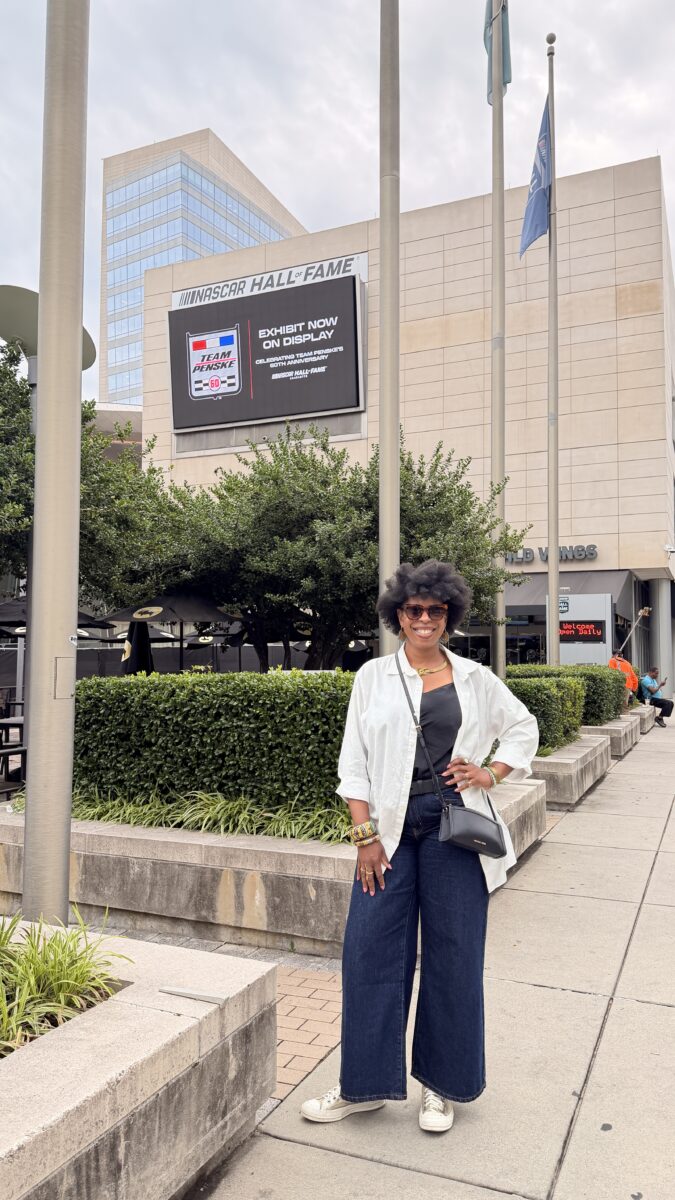
Historically, NASCAR has been publicly associated with whiteness, Southernness, and conservative Americana. Ironic, since it’s directly link to prohibition era bootlegging of moonshine. Yet the reality inside the stands is more nuanced than outsiders often assume. Fans arrive from across racial, regional, and economic backgrounds. Families pass down race traditions through generations. Young women document race weekends on TikTok while longtime fans debate engines and pit strategy nearby.
The culture contains contradictions because America contains contradictions.
And honestly, that complexity is part of what makes NASCAR worth examining beyond stereotypes.
Too often, media coverage reduces people into simplistic political symbols rather than exploring the emotional and social realities underneath. NASCAR audiences deserve more curiosity than caricature.
What draws people to these spaces? What forms of belonging exist here? What anxieties, dreams, and identities become visible through motorsports culture?
Those questions matter far more than easy assumptions.
The Grandstands as American Theater
A NASCAR race reveals America performing itself in real time.
Corporate logos flash beside patriotic imagery. Luxury RVs park beside working-class campers. Families gather around expensive merchandise while conversations about gas prices unfold nearby. Military flyovers meet influencer culture. Tradition collides with commercialization constantly.
And somehow, the contradictions hold together.
Perhaps that is because NASCAR offers something increasingly rare in modern life: collective physical experience.
People leave their homes. They travel long distances. They sit together beneath the heat for hours watching something unpredictable unfold in real time. In an era dominated by digital fragmentation, that kind of communal ritual carries emotional power.
The speed matters, of course.
But what lingers afterward is the atmosphere.
The sound of engines at sunset. Crowds rising to their feet. The blur of color against asphalt. The feeling that thousands of strangers briefly surrendered themselves to the same emotional rhythm.
For a few hours, America gathers around movement and calls it sport.
Yet beneath the speed lies something older.
A national longing for freedom, reinvention, belonging, and spectacle powerful enough to drown out everything else, if only temporarily.