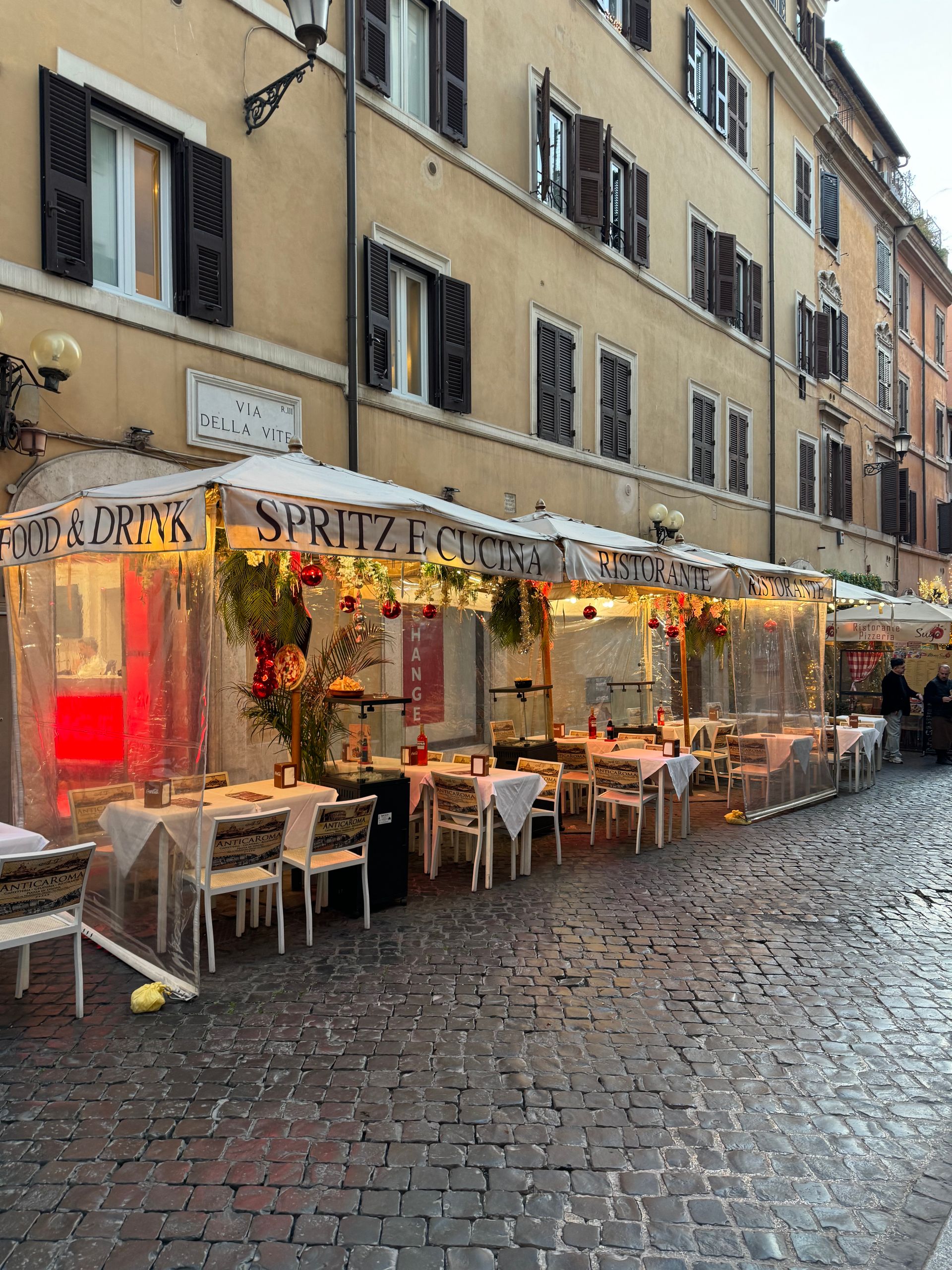
What Outdoor Dining Reveals About a Street
I remember choosing a table outside even though the indoor dining room had better chairs.
The sidewalk table was smaller, slightly uneven, and close enough to the street that I could hear buses, conversations, and the occasional clatter from the kitchen door. A breeze kept lifting the corner of the menu, and I had to move my water glass before it became part of the traffic.
Still, I wanted that table.
From there, I could watch people pass, see the neighborhood change as evening arrived, and feel the city moving around the meal. The food did not exist inside a sealed room. It belonged to the street too.
That is what I love about outdoor dining. The table moves outside, and suddenly weather, architecture, public life, and human movement all become part of the experience.
The Sidewalk Became Part of the Dining Room
Indoor restaurants create boundaries.
Walls soften traffic noise, control temperature, and separate the meal from whatever is happening outside. Once the table moves onto the sidewalk, those boundaries loosen.
The neighborhood enters.
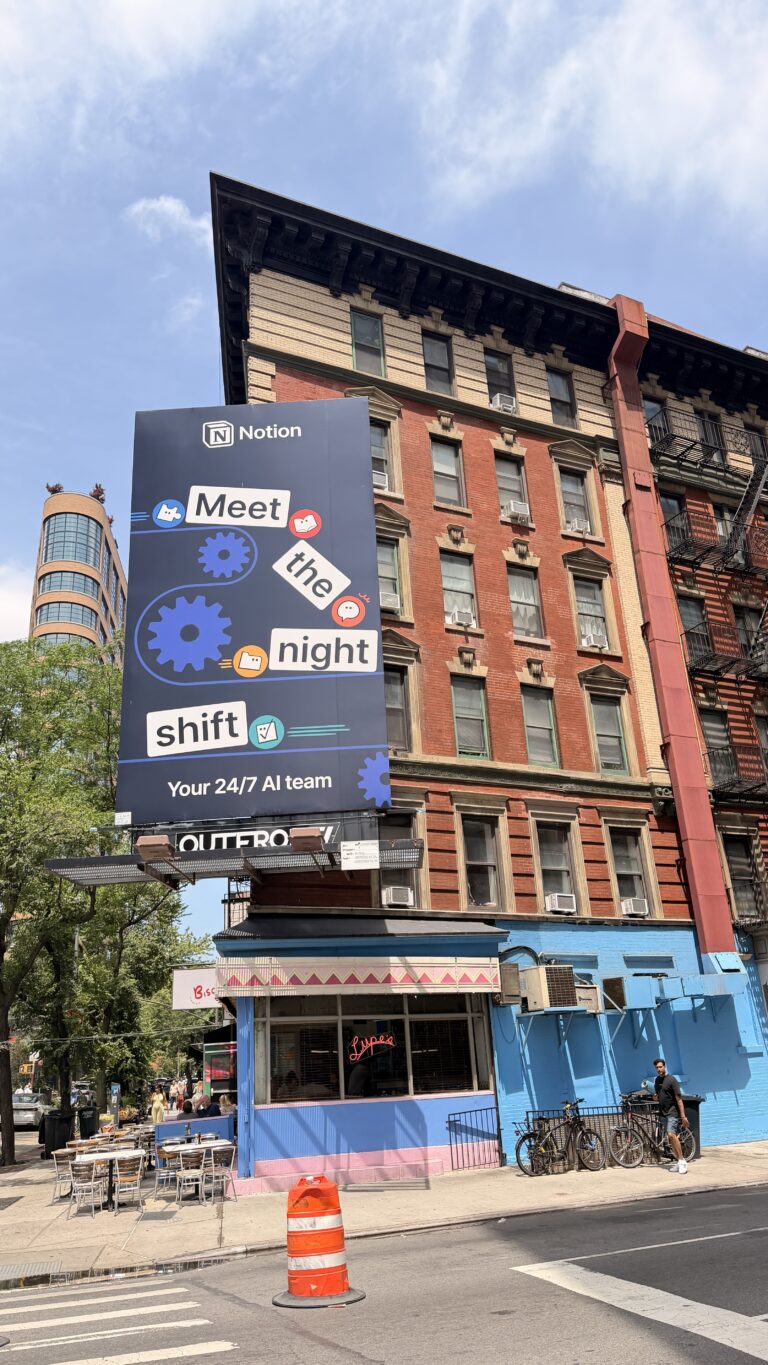
People pass close enough for me to hear fragments of conversation. Bicycles move by, delivery workers arrive, and someone stops to greet a person at another table.
The restaurant is no longer only serving diners.
It is participating in the life of the street.
That openness changes the meal. I feel less removed from the destination and more present inside its everyday rhythm.
The Table Wobbled, but the Evening Worked
Outdoor tables rarely offer perfect conditions.
The pavement slopes. One chair sits higher than another, and the table may wobble every time someone cuts into food.
A folded napkin under one leg becomes an essential piece of restaurant engineering.
These imperfections could feel irritating.
Often, they make the experience more memorable.
I stop expecting the environment to disappear. Instead, I accept that the meal is sharing space with a real street that was not designed solely for my comfort.
Hospitality becomes an act of adaptation.
Weather Always Accepts the Invitation
Weather joins every outdoor meal whether anyone requested its presence or not.
A breeze can make a warm afternoon feel generous. Strong wind can send menus, napkins, and hair in several directions at once.
Sunlight changes the table too.
At first, it creates warmth and beautiful photographs. Then, the angle shifts, and everyone begins moving chairs in search of shade.
Evening air can turn cold before dessert arrives.
Rain introduces another set of negotiations. Is the umbrella large enough? Will the storm pass quickly? Should everyone move inside before the plates get wet?
Outdoor dining depends on flexibility.
The Umbrella Is Doing More Work Than It Appears
A restaurant umbrella seems simple until the sun begins moving.
The shaded area shifts, leaving one diner protected and another exposed. Staff members rotate tables, adjust canopies, and respond to people who want the breeze without the glare.
Shade shapes comfort.
In hot weather, it can determine whether a meal feels pleasant or exhausting. Good outdoor design must consider heat, airflow, and how long people remain seated.
Beauty alone is not enough.
A stylish terrace that offers no protection from the sun may look better in photographs than it feels in reality.
A Breeze Can Change the Flavor of Lunch
Weather affects appetite.
A cool breeze can make rich food feel lighter. Heat may pull me toward cold drinks, fresh fruit, seafood, salads, and anything bright with citrus.
The air also carries smells from the kitchen and the street.
Grilled food reaches the table before the server does. Coffee, bread, exhaust, flowers, smoke, and rain may all move through the same space.
Some scents deepen the experience.
Others remind me that outdoor dining is never fully controlled.
The environment participates in how food tastes.
Evening Light Makes Ordinary Tables Look Generous
Late afternoon can transform an outdoor dining area.
Harsh sunlight softens. Buildings take on warmer colors, and the street begins shifting from daytime business to evening life.
A simple table starts feeling more inviting.
Glasses catch the light, food looks richer, and conversations seem to slow naturally.
This is one reason outdoor dinners can feel romantic without much effort.
The setting does not need elaborate decoration. The changing sky provides it.
The Street Added Its Own Soundtrack
Outdoor dining is rarely quiet.
Cars pass. Motorcycles announce themselves loudly, and emergency vehicles cut through conversations without apology.
People laugh at nearby tables. Dogs bark, musicians play, and servers move chairs across pavement.
The street creates a soundtrack that no restaurant can fully control.
Sometimes, the sound feels energizing.
On other occasions, traffic noise makes conversation difficult. Location matters, and so does the time of day.
A peaceful lunch terrace may become much louder during evening traffic.
People-Watching Becomes an Extra Course
One of the pleasures of eating outside is watching the street without needing a reason.
People move through the frame constantly.
Someone walks quickly with groceries. A couple pauses to study the menu, while a child pulls toward a dog resting beneath another table.
Residents greet one another.
Tourists consult maps, and workers finish shifts as the restaurant prepares for dinner.
These small scenes offer clues about the neighborhood.
I begin noticing who uses the street, how people dress, where they pause, and whether the area feels hurried or relaxed.
The meal becomes a form of observation.
A Dog Under the Table Changes the Atmosphere
Outdoor dining often allows animals to become part of restaurant life.
Dogs rest beneath tables, watch passing food with professional focus, and attract attention from strangers.
Their presence can make the environment feel informal and social.
It can also create complications.
Not everyone feels comfortable around animals. Servers need clear paths, and owners must keep pets from interfering with other guests.
Shared outdoor space works best when everyone remains aware of the people and animals around them.
The Restaurant Became a Window Into the Neighborhood
Local restaurants help me understand how a city feels.
I explore that idea further in my reflection on how local restaurants reveal the rhythm of a place.
An outdoor table makes that lesson even more immediate.
I see the neighborhood while eating its food.
The architecture, traffic, languages, clothing, and pace of the street become part of the restaurant experience.
Instead of entering a room that could exist almost anywhere, I remain connected to the specific place outside it.
The Menu Felt Different Beside the Street
Setting can change how I read a menu.
A dish that seems ordinary indoors may feel perfectly suited to a sidewalk table. Grilled food, bread, small plates, wine, coffee, and simple desserts often fit the informality of eating outside.
I become more interested in foods that allow conversation and observation.
The meal does not need to command every second of attention.
It can unfold alongside the life around it.
Outdoor Dining Can Make a City Feel More Social
Tables on sidewalks change public space.
They create visible places for people to gather, eat, and remain in the neighborhood. Streets begin feeling inhabited rather than purely functional.
That activity can improve the atmosphere.
People may feel safer where others are present. Restaurants create light and movement during evening hours, while diners support nearby businesses.
Still, social energy can produce tension.
Residents may deal with noise, blocked sidewalks, and crowds outside their homes. A lively dining district for visitors can become exhausting for the people who live above it.
Public life requires balance.
The Sidewalk Still Belongs to the Public
Outdoor dining uses space that pedestrians also need.
Tables, barriers, heaters, planters, signs, and waiting customers can narrow the sidewalk quickly.
This creates accessibility concerns.
People using wheelchairs, mobility devices, or strollers need enough clear space to pass safely. Visually impaired pedestrians should not have to navigate unpredictable obstacles.
A beautiful dining area should not make the street less usable for everyone else.
Hospitality must extend beyond paying customers.
The Best Seat May Be the Least Accessible One
Restaurants often place outdoor tables on raised terraces, cobblestones, narrow sidewalks, or platforms.
These settings may create atmosphere while limiting access.
Steps, uneven surfaces, and cramped spacing can make seating difficult for many guests.
Accessibility should be part of design from the beginning.
A restaurant should not treat the outdoor experience as an option available only to certain bodies.
Everyone deserves the opportunity to dine comfortably and with dignity.
The Server Is Working Across Two Worlds
Outdoor dining creates extra labor for restaurant staff.
Servers move between indoor and outdoor sections, often carrying trays through doors, around pedestrians, and across uneven ground.
Weather affects them more than it affects diners.
They work in heat, cold, wind, and light rain while maintaining the same level of service. Tables require more cleaning, water refills may increase, and outdoor guests can be harder to monitor.
The beautiful terrace depends on physical effort.
I try to remember that when service slows or weather complicates the evening.
The Kitchen Cannot See Everything the Street Is Doing
Indoor dining rooms keep customers close to the restaurant’s internal systems.
Outside, diners may sit farther from the kitchen, register, and staff stations. Communication becomes more complicated.
A guest may need something while the server is inside.
Food can cool more quickly in wind, and insects may arrive before the next check-in.
Outdoor service requires planning that customers rarely notice when everything works well.
The Insects Also Saw the Reservation
Food outside attracts more than diners.
Flies, bees, mosquitoes, and other insects may become part of the experience. Sweet drinks and food create particular interest.
The reaction depends on the location and season.
A few insects may feel manageable. A constant battle can make the meal exhausting.
Restaurants use fans, covers, lighting, and other strategies to reduce the problem.
Still, eating outside means accepting some contact with the environment.
A Little Rain Can Make Everyone More Intimate
When light rain begins, people move closer beneath umbrellas and awnings.
Tables tighten. Staff rush to protect food, while diners make quick decisions about whether to stay or move inside.
The disruption can create a shared mood.
Strangers laugh, lift glasses out of the rain, and help secure menus. The moment becomes memorable precisely because nobody planned it.
Heavy rain is another story.
Romance has limits when water begins running across the table.
Cold Evenings Reward the Person Who Brought a Layer
Warm days can lead to surprisingly cool nights.
Once the sun disappears, outdoor tables lose heat quickly. A breeze that felt pleasant during dinner may become uncomfortable by dessert.
I bring a light layer when possible.
Restaurants may offer heaters or blankets, but I do not assume they will be available.
Comfort affects how long I want to stay.
A meal that begins beautifully can end with everyone rushing because they underestimated the temperature.
Heaters Extend the Season but Carry a Cost
Outdoor heaters allow restaurants to use terraces during colder weather.
They support revenue and give customers more options.
However, they also require energy.
The environmental cost deserves consideration, especially when large areas are heated inefficiently in open air.
Restaurants face difficult choices between comfort, sustainability, and financial survival.
Better design, blankets, wind barriers, and targeted heating may reduce some of the impact.
Outdoor dining is not automatically environmentally friendly simply because it happens outside.
Street Trees Make Better Dining Rooms
Trees improve outdoor dining in ways umbrellas cannot fully replace.
They provide shade, reduce heat, soften noise, and make streets feel calmer. Leaves move with the breeze, creating an atmosphere that feels natural rather than staged.
Greenery also supports the wider neighborhood.
Trees help manage rainwater, improve air quality, and create habitat. Their value extends beyond the customers sitting beneath them.
A good outdoor dining district often depends on good public infrastructure.
The restaurant benefits from investments made in the street itself.
Cars Change the Flavor of the Experience
Outdoor dining beside heavy traffic can feel very different from dining along a pedestrian street.
Noise is the most obvious issue.
Exhaust, dust, and vehicle speed also affect comfort. A table may sit only a few feet from moving traffic.
Pedestrianized streets often create more relaxed dining environments.
People can hear one another, children move more safely, and restaurants feel connected to public space rather than squeezed beside transportation.
How a city allocates street space shapes its food culture.
A Parking Space Can Become a Dining Room
In many cities, restaurants have converted parking spaces into outdoor seating.
These temporary structures can support businesses and create lively streets.
They also raise questions.
Who gets to use public space? How should safety, accessibility, sanitation, and neighborhood needs be managed?
A parking space devoted to people rather than a vehicle can feel like a meaningful shift.
However, the design must protect diners and preserve clear routes for pedestrians.
Good public policy turns temporary improvisation into thoughtful urban space.
The Pandemic Changed How Cities Thought About the Sidewalk
Outdoor dining expanded dramatically during the COVID-19 pandemic.
Restaurants needed safer ways to serve customers and survive restrictions. Streets, sidewalks, courtyards, and parking areas became extensions of dining rooms.
That period changed expectations.
Many people discovered that they preferred eating outside. Cities reconsidered how much space belonged to cars, businesses, and public gathering.
Some temporary programs became permanent.
Others created conflict around noise, regulation, and neighborhood access.
The shift revealed how quickly cities can change when circumstances demand it.
Outdoor Dining Can Feel More Welcoming
Entering an unfamiliar restaurant can feel intimidating.
An outdoor table makes the experience visible.
I can see what people are eating, how they are dressed, and whether the atmosphere feels formal or relaxed before deciding to stop.
That openness can lower the social barrier.
The restaurant feels connected to the public rather than hidden behind a door.
Still, visibility has another side.
Diners may feel watched by pedestrians, and people passing by may feel excluded from spaces arranged around consumption.
Public hospitality always contains questions about belonging.
A Table Outside Can Reveal Who Feels Safe in Public
Not everyone experiences public visibility in the same way.
Race, gender, disability, sexuality, age, and class shape how people feel while occupying public space.
Some diners relax easily.
Others remain aware of stares, harassment, policing, or whether staff treat them differently from nearby customers.
Outdoor dining may feel liberating because it opens the restaurant to the street.
It may also make bias more visible.
Hospitality should include attention to who receives welcome and who is made to feel out of place.
The Price of the View Can Exclude the Neighborhood
Outdoor dining districts often become symbols of urban vitality.
They attract visitors, investment, and media attention. Property values may rise as the neighborhood becomes more desirable.
That success can come with displacement.
Residents may lose affordable businesses, while local workers cannot afford to live near the restaurants they support.
The street becomes beautiful for visitors and less accessible to the people who shaped its identity.
I want to enjoy the atmosphere without ignoring those tensions.
A thriving food district should create opportunity for the surrounding community, not simply turn local culture into scenery.
The Meal Can Feel Private and Public at the Same Time
A table creates a small personal world.
Conversation becomes intimate, food arrives, and attention narrows toward the people seated together.
Outside, that private moment remains exposed to the street.
Pedestrians pass close enough to hear fragments. Diners observe public life while also becoming part of it.
This blend of privacy and visibility makes outdoor dining distinctive.
I am in my own conversation and inside the city at once.
The Best Outdoor Tables Do Not Need a Famous View
Waterfronts, historic plazas, and dramatic skylines create memorable dining settings.
Still, a beautiful outdoor meal does not require a landmark.
A quiet neighborhood street can offer just as much pleasure.
Trees, warm light, local conversation, and familiar faces may create a stronger sense of place than a famous view crowded with visitors.
I often remember ordinary streets most clearly.
They allow the city to remain itself instead of performing for tourism.
Travel Writing Should Notice More Than the Pretty Table
Outdoor dining photographs easily.
The plate, street, architecture, and light create a ready-made image. However, cultural travel writing should move beyond visual pleasure.
I explore that responsibility in my thoughts on writing about culture with respectful curiosity.
Who owns the restaurant? What history shaped the neighborhood? Who works behind the experience, and how has tourism changed the street?
A beautiful table can become the beginning of inquiry rather than the end of the story.
A Food Tour Can Help Me Read the Street
Travelers may choose restaurants based on appearance, convenience, or online reviews.
A knowledgeable local guide can offer deeper context.
I browse food tours, walking experiences, and neighborhood activities through GetYourGuide when I want to understand how food and public life connect.
The best tours explain more than where to eat.
They explore history, migration, architecture, and how residents use the neighborhood today.
That context changes what I see while sitting at an outdoor table.
A Budget Stay Can Keep Me Close to the Street
Some of my favorite outdoor dining experiences happen near the neighborhoods where I am staying.
Instead of traveling across the city for every meal, I can walk outside and see which places fill with local residents in the evening.
When comparing affordable accommodations through Hostelworld, I pay attention to neighborhood reviews, walkability, and nearby food options.
A central stay can make spontaneous meals easier.
Still, I balance convenience with noise. A room above a busy outdoor dining street may remain lively much later than I expect.
The Street Reminds Me That Food Is Social Infrastructure
Restaurants do more than sell meals.
They create places where people meet, rest, celebrate, work, observe, and participate in public life.
Outdoor tables make that role visible.
People who might otherwise pass one another begin sharing the same stretch of street. Regulars greet staff, neighbors stop for conversation, and visitors watch the city unfold.
Food creates temporary community around the table.
The street extends it outward.
The Meal Stayed With Me Because the City Would Not Sit Still
I remember outdoor meals through movement.
A bicycle passed just as the food arrived. Someone opened an upstairs window, and music drifted down from another building.
A server moved quickly before the rain began.
The table stayed in one place while the city kept changing around it.
That contrast made the meal feel alive.
I was not observing the destination from a distance. I was sitting inside its motion.
The Street Adds More Than Atmosphere
Outdoor dining changes a meal because it changes the boundaries around it.
Weather enters. Public life becomes visible, and the neighborhood contributes sound, movement, architecture, and interruption.
The experience can feel romantic, social, inconvenient, noisy, beautiful, or several of those things at once.
A table outside also reveals larger questions about labor, accessibility, public space, sustainability, and who feels welcome in the city.
I want to notice all of it.
The food still matters. However, the street becomes another ingredient.
People pass, dogs pause, light changes, and conversations continue at nearby tables. The meal becomes less contained and more connected to the place where it happens.
That is what the street adds.
It reminds me that food belongs to public life too.
When I sit outside, I do more than taste the meal.
I taste the city while watching it move.
Explore more stories about restaurants, street life, and the people shaping local food culture through DG Speaks Food. You can also discover neighborhood experiences and slower ways of seeing a destination through DG Speaks Travel and read more about public space, belonging, and cultural change in DG Speaks Culture.