What a Park Teaches Me About Public Care
I once sat on a park bench in a city where I did not know anyone and felt, for a little while, as though the city had made room for me anyway.
I had been walking for hours. My feet were tired, my phone battery was dropping, and I did not want to enter another café simply to justify sitting down.
Then, I found the park.
There were trees large enough to create real shade, benches facing several directions, and paths wide enough for walkers, strollers, and people moving at different speeds. Children played nearby. An older man read the newspaper, while two workers ate lunch beneath a tree.
No one needed to buy anything to remain there.
That freedom changed how I understood the space. The park was not only decoration between buildings. It was evidence of what the city believed people deserved when they were tired, lonely, playful, restless, or simply alive in public.
This is why I pay attention to public park care. It appears in shade, seating, clean paths, accessible bathrooms, lighting, playgrounds, water fountains, and whether people feel safe enough to linger without needing a commercial reason.
The Bench That Did Not Ask Me to Order Anything
Modern cities contain many places where people can sit if they are willing to pay.
A café offers a chair with coffee. A restaurant provides a table with a meal, while a hotel lobby may quietly signal that comfort belongs primarily to guests.
A public bench operates differently.
It does not require a reservation, purchase, or explanation. I can sit because my body needs rest.
That simplicity carries social importance.
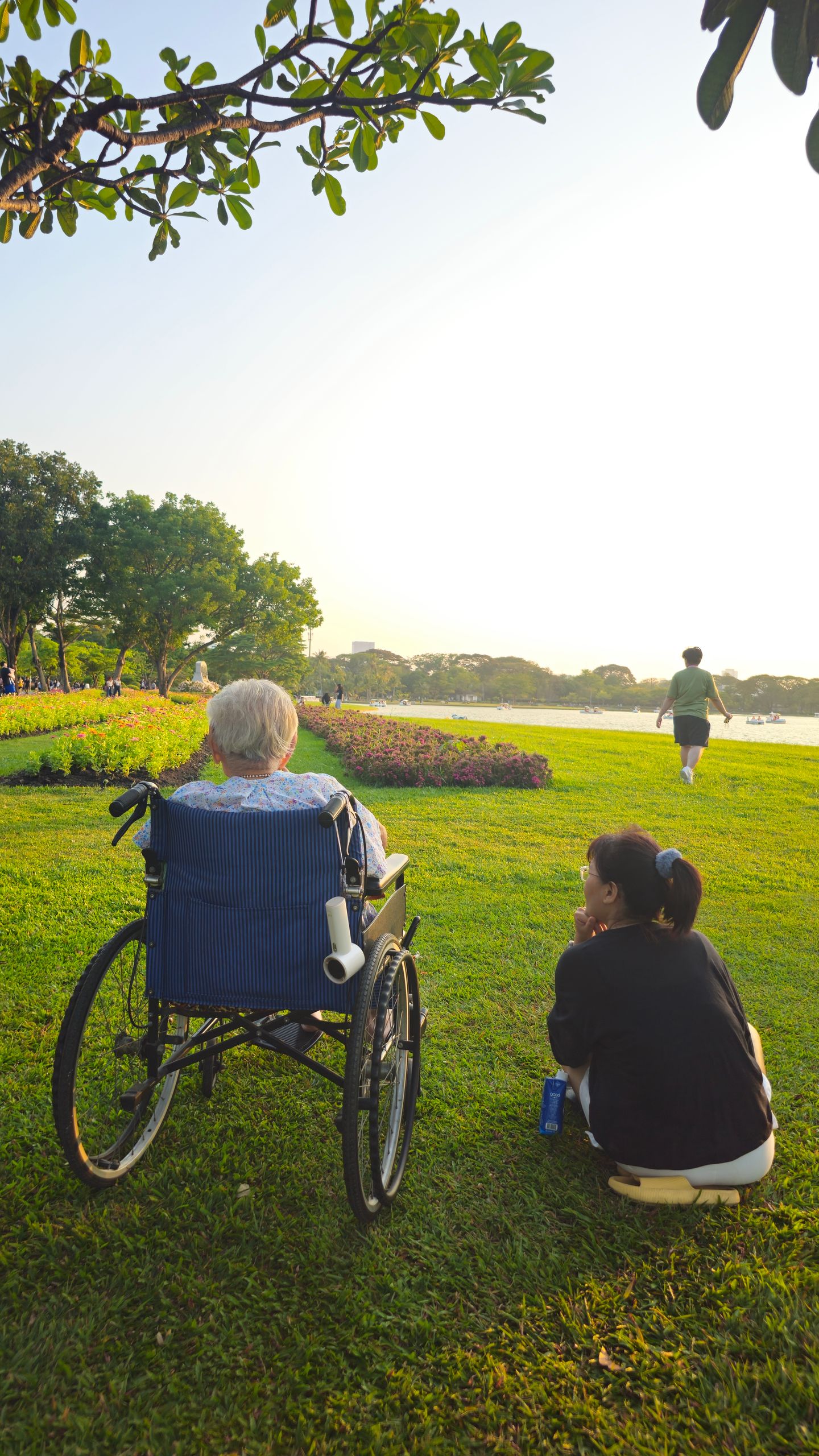
Public seating gives older adults, disabled people, pregnant women, caregivers, workers, travelers, and anyone feeling tired a place to pause. Without benches, a city can become usable only for people able to remain in motion.
A bench says stopping belongs in public life too.
A Park Reveals What the City Does With Land That Is Not Selling Something
Urban land is valuable.
Every open parcel could become housing, offices, shops, parking, or another development designed to produce revenue.
Choosing to preserve land for public use reflects a different value.
The park creates space for activities that may not generate direct profit: walking, sitting, playing, reading, gathering, exercising, or doing absolutely nothing.
That is part of its importance.
Human beings need places where our presence does not have to become a transaction.
Green Space Is Infrastructure, Not Decoration
Trees and grass may make a neighborhood more attractive.
Their value goes far beyond appearance.
Green spaces can reduce heat, absorb rainwater, improve air quality, support wildlife, and provide room for physical activity. They also offer psychological relief from traffic, noise, concrete, and crowded interiors.
A park is public health infrastructure.
It supports bodies and communities in ways that may be difficult to measure through a single visit.
Someone walks there every morning. A child develops confidence on the playground, while another person uses the path during recovery from illness or injury.
The benefits accumulate quietly.
The Trees Were Doing More Work Than the Fountain
Fountains, sculptures, and flower beds often receive attention because they photograph well.
On a hot day, mature trees may be the most valuable feature in the park.
Shade changes whether people can use the space comfortably. It protects children at play, gives older adults somewhere cooler to sit, and allows workers to eat outside without remaining in direct sun.
A newly planted tree cannot immediately replace one that took decades to grow.
This is why tree care matters.
Pruning, watering, soil protection, and long-term planning may look less exciting than a new park installation. Still, they determine whether the park remains livable during increasingly hot summers.
Shade Is a Public Resource
Not everyone experiences heat equally.
People without air-conditioned homes, cars, offices, or money to enter commercial spaces depend more heavily on public shade.
Outdoor workers need relief. So do unhoused residents, transit users, children, and elders.
A shaded park can become part of a neighborhood’s climate safety system.
When shade is scarce, the people with the fewest private alternatives carry the greatest burden.
That makes tree coverage an equity issue, not simply a landscaping preference.
The Playground Shows Who the City Imagines Growing Up There
Playgrounds communicate possibility.
They tell children that public space includes them, that movement matters, and that play deserves physical room.
A well-designed playground offers more than equipment.
It includes shade, safe surfaces, seating for caregivers, accessible features, and enough variety for children with different abilities and ages.
Neglected playgrounds communicate something too.
Broken equipment, damaged surfaces, and trash suggest that children in that neighborhood were not treated as a priority.
Maintenance becomes a statement about whose childhood deserves investment.
Play Should Not Depend Entirely on Family Income
Many children’s activities cost money.
Sports leagues, lessons, camps, and indoor play spaces can place regular recreation beyond a family’s budget.
Public parks create another option.
A child can run, climb, invent games, and interact with other children without an admission fee.
This does not eliminate broader inequalities.
Still, free, safe, and appealing play space can give more children access to movement and social life.
A city that invests in play acknowledges that childhood needs more than supervision and schoolwork.
The Path Decides Who Can Move Through the Park
A park path may seem like a basic feature.
Its surface, width, slope, and maintenance shape who can use the space.
Cracked pavement creates hazards. Gravel may work for some walkers but become difficult for wheelchairs, mobility devices, and strollers.
Steep routes can limit access, while unclear signs make navigation harder.
Accessibility should not be added as an afterthought.
A public park is not truly public if large parts of the community cannot move through it safely and comfortably.
Walking Becomes Easier When the Route Feels Worth Taking
People often hear that we should exercise more.
The advice assumes a safe, pleasant place to move.
A shaded path, clean environment, regular seating, and visible activity can make walking feel possible. A neglected park with poor lighting, broken surfaces, or threatening traffic produces another experience entirely.
Personal motivation matters.
So does the environment around the person trying to build the habit.
A city can support movement by creating places where walking feels like part of life rather than another obstacle.
The Park Lets Different Speeds Share the Same Space
Not everyone moves through a park with the same purpose.
Runners pass quickly. Parents follow children, while older adults may walk slowly and rest often.
Someone recovering from illness takes careful steps. Another person crosses the park simply because it offers a more peaceful route to work.
A thoughtful space allows these speeds to coexist.
Wide paths, clear lanes, and enough room reduce conflict. Seating gives people permission to move according to their bodies rather than the pace of everyone around them.
Public space should not reward speed alone.
The Older Men Had Claimed the Same Table for Years
In many parks, regulars create rituals.
A group plays cards, chess, or dominoes at the same table. People gather for morning exercise, while dog owners form friendships around repeated walks.
These routines turn physical space into social space.
A table becomes more than furniture once people attach memory to it. The same conversations continue over years, and newcomers learn where different groups tend to gather.
The park develops its own map of belonging.
Official signs may describe the facilities.
Regular users explain how the place actually lives.
A Bench Can Hold Grief, Flirting, and Lunch at the Same Time
Park benches witness a wide range of human experience.
Someone eats between work shifts. A couple begins a relationship, while another person sits alone after receiving difficult news.
An older woman feeds birds despite signs asking her not to. Teenagers gather after school and practice becoming themselves beyond adult supervision.
The bench holds all of it without needing to know the full story.
Public space allows private emotion to exist beside shared life.
I may be alone, but I am not completely isolated. The world continues nearby.
Teenagers Need Somewhere to Be Without Becoming Customers
Teenagers often receive contradictory messages.
Adults want them away from screens and engaged with community. Yet, when they gather in public, people may treat their presence as suspicious.
Parks can provide a place to socialize without spending money.
That freedom matters.
Young people need spaces to talk, play sports, listen to music, and build relationships outside direct family or school structures.
A healthy city does not design public life only for small children and older adults.
Teenagers belong there too.
Elders Need More Than a Decorative Bench in Full Sun
Including a bench on a park plan does not automatically make the space comfortable for elders.
Placement matters.
Is it shaded? Does it have a supportive back and arms? Can someone reach it without crossing unsafe terrain?
Are bathrooms available nearby?
Older adults may rely on parks for movement, social connection, and relief from isolation. Thoughtful seating allows them to remain outside longer and participate in community life.
Design should respond to actual bodies, not merely check a box.
Public Bathrooms Reveal the Limits of Welcome
A park may invite people to stay for hours while offering nowhere to use the bathroom.
That absence limits who can linger.
Families with children, older adults, pregnant people, people with health conditions, and anyone spending significant time outside need reliable facilities.
Bathrooms require maintenance, staffing, and funding.
They can also become sites of conflict around homelessness, safety, gender, and public health.
A city’s response reveals whether welcome extends to basic bodily needs.
People cannot fully use public space if staying there requires pretending bodies do not need care.
Water Fountains Are a Small Measure of Civic Generosity
Clean drinking water should be an ordinary feature in a well-used park.
On hot days, it becomes essential.
Fountains support walkers, runners, children, pets, and people who cannot afford to buy bottled water whenever they need it.
Broken or contaminated fountains communicate neglect.
They also increase plastic waste when visitors must purchase disposable bottles.
Water access is another example of how small infrastructure shapes whether a park feels genuinely public.
Cleanliness Requires Labor, Not Magic
A clean park does not maintain itself.
Workers empty trash, repair equipment, clean bathrooms, care for trees, remove hazards, and respond after storms or large gatherings.
The ease visitors experience depends on that labor.
Maintenance workers often remain nearly invisible until something goes wrong.
Recognizing public park care means recognizing the people performing it.
Investment should include safe working conditions, proper staffing, equipment, and wages—not only highly visible improvements.
The Trash Can Needs to Be Where People Actually Need It
Waste systems influence behavior.
A park with too few bins or poorly placed containers makes responsible disposal harder. Overflow attracts pests, spreads litter, and reduces everyone’s ability to enjoy the space.
Visitors still carry responsibility.
However, design should support the behavior a city expects.
Recycling and composting may help when the local system can process them effectively.
A clean park depends on both public participation and functioning infrastructure.
Lighting Changes Who Can Stay After Sunset
A park may feel welcoming during the day and intimidating after dark.
Lighting affects visibility, navigation, and whether people feel safe using paths, transit connections, and gathering areas.
Too little light creates risks.
Excessive lighting can disrupt wildlife, affect nearby residents, and create glare rather than useful visibility.
Good design balances safety and environmental impact.
It also considers who needs the park in the evening.
Workers returning home, runners, dog walkers, teenagers, and families may rely on public space beyond daylight hours.
Safety Is More Than the Presence of Police
When people discuss park safety, policing often dominates the conversation.
Safety also comes from lighting, clear sightlines, active use, maintenance, accessible exits, and relationships among regular users.
A crowded park can feel safer because people notice what is happening.
However, policing does not feel protective to everyone.
Race, age, housing status, immigration status, disability, and other factors shape how people experience authority in public space.
A park should not create safety for one group by making another group feel watched, harassed, or unwelcome.
Who Is Allowed to Linger?
Some people can sit in a park for hours without attracting attention.
Others may be treated as suspicious for occupying the same space.
Unhoused people face particular scrutiny.
Benches may be designed to prevent lying down. Rules against sleeping, storing belongings, or remaining after certain hours can criminalize survival without addressing the lack of housing.
Public space becomes less public when belonging depends on appearing economically secure.
Care should not mean removing visible poverty from sight.
It should involve responding to human need with dignity.
Hostile Architecture Says the Quiet Part Out Loud
Divided benches, spikes, sloped surfaces, and other design choices may be described as methods of managing public space.
They communicate exclusion.
The message is clear: certain bodies may sit briefly, but they should not become too comfortable.
Hostile architecture can affect more than unhoused people.
It may make seating less usable for older adults, disabled people, pregnant women, and anyone who needs genuine rest.
A public space designed around preventing unwanted behavior often becomes less humane for everyone.
The Park Is Not Equally Public to Every Woman
Women may use parks while remaining alert to harassment, isolation, poor lighting, and whether someone is following them.
The freedom to walk alone is shaped by time, location, and perceived safety.
Women also experience public space differently according to race, disability, age, gender identity, and other factors.
A well-used path may feel safe to one person and exposed to another.
Listening to diverse users matters.
Design decisions should not depend solely on the experience of those who already feel comfortable occupying public space.
A Mother Should Not Have to Choose Between Shade and Visibility
Caregivers need to see children clearly while also staying comfortable.
A playground placed in full sun may become unbearable. A shaded seating area too far away creates another problem.
Good park design considers these practical realities.
Stroller access, bathrooms, drinking water, changing facilities, and fencing near traffic can determine whether families use the space.
Care infrastructure should be visible in the physical plan.
Families do not arrive as abstract users. They arrive carrying bags, snacks, tired children, and multiple needs at once.
Disabled People Should Not Need a Special Invitation
Accessibility should be obvious throughout the park.
It should appear in paths, seating, bathrooms, playgrounds, signage, parking, transit access, and programming.
Inclusive design allows disabled people to participate without requesting exceptions each time.
It also benefits many others.
Smooth paths help parents with strollers. Clear signs support visitors, while seating and handrails assist people with temporary injuries or reduced stamina.
Designing for disability creates a more usable park for the broader community.
The Community Garden Changes Who Produces the Landscape
Community gardens turn part of the park into a working landscape.
Residents grow food, flowers, and relationships. People share knowledge, seeds, tools, and stories about what they remember cultivating elsewhere.
The garden can connect generations and cultures.
It also raises questions about access.
Who receives a plot? Are waiting lists fair? Does the garden welcome nearby residents, or has it become another resource controlled by a small group?
Shared land works best when shared governance remains part of the design.
Food in the Park Creates Another Kind of Gathering
Picnics, cookouts, festivals, and vendors bring food into public space.
A meal in the park feels different from one indoors. Children move between bites, people share dishes, and the gathering expands beyond a table.
Food can strengthen community ties.
It can also produce waste, noise, smoke, and conflict over permits or access.
Good management allows celebration without making the space unusable for everyone else.
The park should hold multiple forms of public life.
A Farmers Market Can Turn the Park Into a Civic Kitchen
When parks host farmers markets, the space becomes connected to local food systems.
Residents buy produce, meet growers, and encounter small food businesses. Music, conversation, and prepared food may turn an ordinary morning into a neighborhood ritual.
Accessibility still matters.
Prices, transportation, payment options, and whether vendors accept nutrition benefits influence who can participate.
A market can support community health and entrepreneurship when its design includes the whole neighborhood.
Festivals Show the Park at Maximum Capacity
Large events can fill a park with music, food, art, and people.
They create visibility and economic opportunity. They may also strain grass, bathrooms, parking, transit, and nearby residents.
Festivals reveal how well the park handles intensity.
Who gains access to vendor spaces? Are local organizations included? Can people attend without paying high admission prices?
Public land should not become private luxury simply because an event is temporary.
The Everyday Tuesday Matters More Than the Festival Poster
Cities often celebrate parks through major events and ribbon cuttings.
The everyday experience may tell a different story.
Is the bathroom open on Tuesday morning? Are the lights repaired? Does the water fountain work?
Can a child use the playground safely when no cameras are present?
Public care appears through consistency.
A park should not look valued only during special events.
Parks Become Emergency Infrastructure During Crisis
Open space can play an important role during disasters and emergencies.
Parks may become gathering points, cooling centers, food distribution sites, vaccination locations, or places where information circulates.
This connects with my reflections on how community resilience begins before a crisis.
A park supports emergency response more effectively when the community already uses and trusts it.
Relationships formed through ordinary days can become essential during difficult ones.
Community Resilience Needs Places Where Community Can Form
People cannot build strong relationships only during emergencies.
They need ordinary places to encounter one another.
A park creates low-pressure opportunities for familiarity. Neighbors recognize faces, children play together, and people begin noticing who usually appears at a certain time.
These connections may remain casual.
They still contribute to social trust.
When something goes wrong, people are more likely to support those they already recognize as part of the local fabric.
Heat Makes Park Inequality Harder to Ignore
As temperatures rise, the differences between shaded and unshaded neighborhoods become more dangerous.
Some communities have mature trees, cooling water features, and parks within walking distance. Others face wide expanses of pavement and very little relief.
These patterns often reflect historic disinvestment, segregation, and planning decisions.
Heat does not affect every neighborhood equally because green infrastructure was never distributed equally.
Planting trees now matters.
Protecting existing mature trees matters just as much.
Flooding Reveals Whether the Park Was Designed With Water in Mind
Parks can absorb stormwater and reduce pressure on drainage systems.
Wetlands, rain gardens, permeable surfaces, and thoughtful landscaping allow water to move more naturally.
Poorly planned spaces may flood repeatedly or send runoff toward nearby homes and streets.
Climate resilience should be part of park design.
The space can offer beauty and recreation while also helping the city manage increasingly intense weather.
Nature Is Present Even in the Middle of the City
Urban parks provide habitat.
Birds, insects, small mammals, plants, and soil organisms create ecosystems inside spaces people may see primarily as recreational.
Wildlife does not need the park to look perfectly manicured.
Native plants, fallen leaves, water, and less intensive mowing can support biodiversity.
Maintenance and ecological care need not be opposites.
A park can feel welcoming to people while allowing nature more room to function.
The Perfect Lawn May Be Doing Less Than We Think
Large lawns provide room for play, gatherings, and open views.
They can also require significant water, chemicals, mowing, and labor.
More diverse planting may offer shade, habitat, stormwater management, and seasonal interest.
The answer is not eliminating every lawn.
It is asking which areas truly need one and whether other landscapes could provide greater public and environmental value.
Dog Parks Reveal How Communities Negotiate Shared Space
Dog parks give animals room to move while creating social space for their owners.
They can also produce conflict around noise, waste, safety, and access.
Clear rules, maintenance, water, shade, and separate areas for different sizes may improve the experience.
Dog owners build community quickly through repeated visits.
However, the larger park still belongs to people who may not feel comfortable around dogs.
Shared space requires respect in more than one direction.
Sports Fields Can Unite and Exclude
A field can hold leagues, informal games, school practices, and community events.
Sports create belonging and movement.
Scheduling and access determine who benefits.
Do established organizations control every useful hour? Are girls’ teams given equal time and quality facilities?
Can residents use the field casually, or is it almost always reserved?
Public resources should support both organized programs and unstructured community use.
The Basketball Court Has Its Own Social Order
Courts develop rules beyond the signs posted nearby.
Players understand who has next, how teams form, and what level of confidence the space demands.
These traditions can create community.
They may also make newcomers feel excluded.
Programming, multiple courts, and thoughtful design can create more opportunities for different ages and skill levels.
Public recreation should leave room for competition without surrendering the space to intimidation.
Art in a Park Can Tell the Community’s Story
Murals, sculptures, memorials, and performances can deepen a park’s relationship with local history.
Public art gives identity to shared space.
The selection process matters.
Whose stories receive permanent form? Were local artists and residents involved, or did decision-makers choose something with little connection to the neighborhood?
Art can create belonging when people recognize themselves in the landscape.
It can also become a symbol imposed from outside.
Memorials Decide Which Stories Become Landscape
Parks often contain monuments and memorials.
They shape how visitors understand history, heroism, loss, and public memory.
These objects are not neutral.
They reflect choices about who deserves honor and which events a community wants to remember.
As understanding changes, people may question older monuments or call for new stories to enter the space.
A living community should be able to examine the history embedded in its public landscape.
The Park Name Carries Meaning Too
A park may be named for a political leader, philanthropist, local activist, geographic feature, or person whose history has become contested.
Names influence memory.
Renaming can recognize people previously excluded from public honor. It may also create difficult conversations about history and community identity.
Those conversations belong in public life.
The name should help residents understand the place, not merely decorate a sign.
Travelers See Parks Differently From Residents
As a traveler, I may experience a park as relief from sightseeing.
I sit, walk, take photographs, or observe local life for a short time. Residents use the same space repeatedly and understand its problems more deeply.
They know which bathrooms stay closed, where flooding occurs, and whether the park feels safe after dark.
My pleasant afternoon does not tell the whole story.
Respectful travel requires remembering that the park is not primarily a backdrop for visitors.
It is part of someone’s daily environment.
A Park Can Teach Me More Than Another Attraction
Famous landmarks show what a city promotes.
Parks show how residents spend ordinary time.
I see family routines, exercise habits, social groups, food vendors, play, courtship, protest, and rest. The park reveals how public life actually unfolds.
This connects with my reflections on slow travel and choosing presence over pace.
I do not always need another ticketed attraction.
Sometimes, sitting in a park teaches me more about the city than moving quickly through another museum.
A Tour Can Provide Context, but the Park Needs Unscheduled Time
Guided city experiences can explain history, planning, architecture, and the cultural meaning of major public spaces.
I browse walking tours and local activities through GetYourGuide when I want deeper context about a destination.
Still, I like returning to parks without an agenda.
Unscheduled time allows me to observe how residents use the space beyond the guide’s explanation.
Context helps me understand.
Lingering helps me notice.
Tourism Can Improve a Park and Push Residents Aside
Famous parks attract funding, vendors, events, and maintenance.
They may also become crowded, commercialized, and increasingly designed around visitors.
Local residents can lose access to quiet, recreation, or affordable nearby businesses.
A successful park should serve visitors without becoming detached from the community around it.
Public space should not be transformed into a tourism product that residents can no longer comfortably use.
Privately Managed Public Space Requires Scrutiny
Some parks and plazas appear public while being controlled by private organizations.
Rules may limit protest, photography, food, gathering, or who is permitted to remain.
Cleanliness and security can improve under private management.
Public rights may narrow.
A space should not be judged only by how polished it looks.
I also want to know who sets the rules, how they are enforced, and whether people can gather without behaving like customers.
A Beautiful Park Can Accelerate Displacement
Park investment can improve quality of life.
It can also raise nearby property values and attract development that prices out longtime residents.
This process is sometimes called green gentrification.
The community that fought for better public space may not remain long enough to enjoy it.
Park planning should connect with housing protections, community ownership, and strategies that allow existing residents to benefit from improvements.
Environmental investment should not become another path to displacement.
Neglect Is a Policy Choice Too
A damaged, poorly maintained park may look like the result of individual misuse.
Long-term neglect often reflects funding decisions.
Some neighborhoods receive regular investment, programming, and repairs. Others wait years for basic improvements.
This inequality can become self-reinforcing.
A neglected space attracts fewer users, which makes it easier for decision-makers to claim that investment is unnecessary.
Communities deserve care before deterioration becomes extreme.
Residents Should Shape the Park Before the Ribbon Cutting
Community engagement should begin before final plans exist.
Residents understand how the space is used, what feels unsafe, and which facilities would matter most.
A designer may imagine a beautiful feature that does not respond to local priorities.
Listening does not mean every request can be granted.
It means the people living closest to the park influence decisions that will shape their daily lives.
Participation should be accessible, compensated when appropriate, and offered in languages and formats residents can use.
The Loudest Meeting Voice Does Not Represent the Whole Neighborhood
Public meetings can favor people with time, confidence, transportation, childcare, and familiarity with official processes.
Those voices matter.
They may not represent everyone.
Young people, renters, immigrants, disabled residents, shift workers, and people without stable housing may use the park heavily while participating less in formal planning sessions.
Good engagement goes beyond one evening meeting.
It reaches people where they already are.
Young People Should Help Design the Spaces They Use
Adults often plan parks for children and teenagers without asking what they want.
Young people notice different needs.
They may want flexible seating, sports areas, Wi-Fi, performance space, better lighting, or somewhere to gather without being treated as a problem.
Including them builds civic participation.
It also creates parks that respond to real use rather than adult assumptions.
Maintenance Funding Is Part of the Design
New projects attract attention.
Maintenance receives less excitement.
A park cannot remain safe and welcoming without long-term funding for cleaning, staffing, repairs, landscaping, and replacement.
A beautiful design without a realistic maintenance plan can become another form of neglect waiting to happen.
Care must be budgeted beyond the opening ceremony.
The Park Worker May Know More Than the Consultant
Groundskeepers, recreation staff, cleaners, and other workers experience the park every day.
They know where water collects, which equipment breaks repeatedly, and when certain conflicts tend to occur.
Their knowledge should influence planning.
Professional expertise matters.
So does the practical understanding developed through daily care.
Volunteers Can Help, but Public Care Should Not Depend on Free Labor
Community cleanups and gardening days can strengthen connection to a park.
Volunteers contribute energy and pride.
Still, essential maintenance should not depend entirely on unpaid residents compensating for insufficient public investment.
Volunteerism works best as participation, not replacement.
The city remains responsible for maintaining safe, functional public infrastructure.
A Park Can Be Quiet Without Being Empty
Not every park needs constant programming.
Events and activities can bring people together. Quiet has value too.
Some visitors need a place to read, think, recover, or sit without structured entertainment.
A healthy public space allows several moods.
There can be music in one area and stillness somewhere else.
Not every part of the city needs to become activated, monetized, or programmed at all times.
Doing Nothing in Public Should Remain Possible
Resting in a park can be a small act of freedom.
I am visible but not performing. I occupy space without working, shopping, or producing content.
That freedom becomes especially meaningful in a culture that treats inactivity with suspicion.
A person sitting alone may be reading, grieving, recovering, waiting, or simply enjoying the day.
They should not need to justify the pause.
The Park Gives Solitude a Social Edge
I can be alone in a park without feeling cut off from humanity.
People remain nearby. Their movement creates gentle background life without requiring direct interaction.
This kind of solitude feels different from staying inside.
I have privacy without complete isolation.
For people living alone or in crowded households, that middle ground can be valuable.
A Familiar Park Can Become Part of Emotional Survival
During difficult seasons, routine walks can provide structure.
The same path, bench, tree, or view offers continuity when other parts of life feel unstable.
The park does not solve grief, anxiety, loneliness, or uncertainty.
It gives those emotions somewhere to move.
Repeated contact with a familiar place can create grounding.
Public space becomes part of private coping.
The City’s Quiet Promise
A park makes a quiet promise.
It says people need room to breathe, move, gather, play, grieve, rest, and experience beauty without purchasing access to it.
That promise lives in ordinary details.
A shaded bench. A clean bathroom. A path wide enough for different bodies. A playground that includes disabled children. Lighting that supports safety without turning everyone into a suspect.
Public park care appears in maintenance, staffing, water, trees, accessibility, and whether the community has a voice in shaping the space.
It also appears in fairness.
Some neighborhoods should not receive mature trees, clean facilities, and constant investment while others live with broken equipment and empty lots.
Green space is not extra.
It is health, climate infrastructure, social connection, memory, and relief.
I want cities to understand that public life needs more than roads between commercial destinations.
People need somewhere to arrive without being customers.
A park can offer that place.
The question is whether the promise extends to everyone.
Explore more reflections on public space, community, equity, and everyday city life through DG Speaks Culture. You can also discover how parks shape slower, more observant journeys through DG Speaks Travel and read more about markets, picnics, and community food traditions in DG Speaks Food.