Pharrell Williams on Culture, Commerce, and Closing the Wealth Gap at Web Summit 2024
Pharrell Williams at Web Summit 2024 gave one of the conversations that stayed with me long after I left Lisbon. When most people think of Web Summit, they think about artificial intelligence, startups, venture capital, and the future of technology. I do too. But one of the most powerful conversations I heard that year was not really about technology at all. It was about ownership.
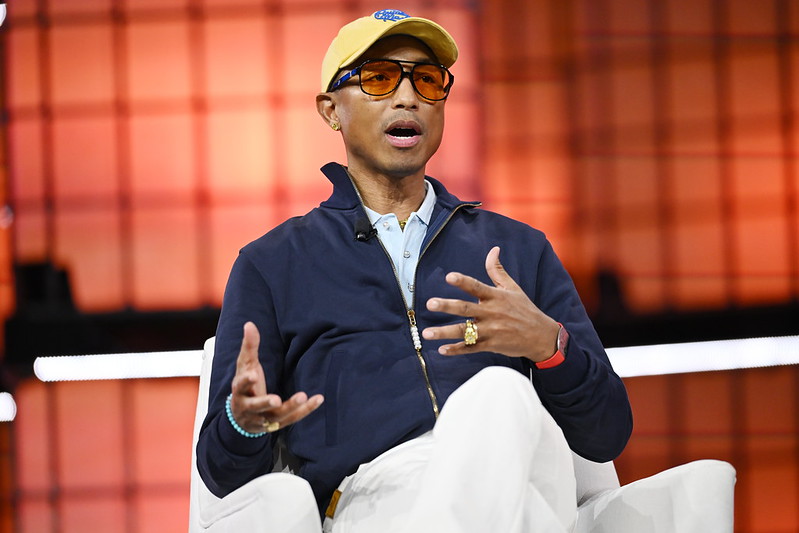
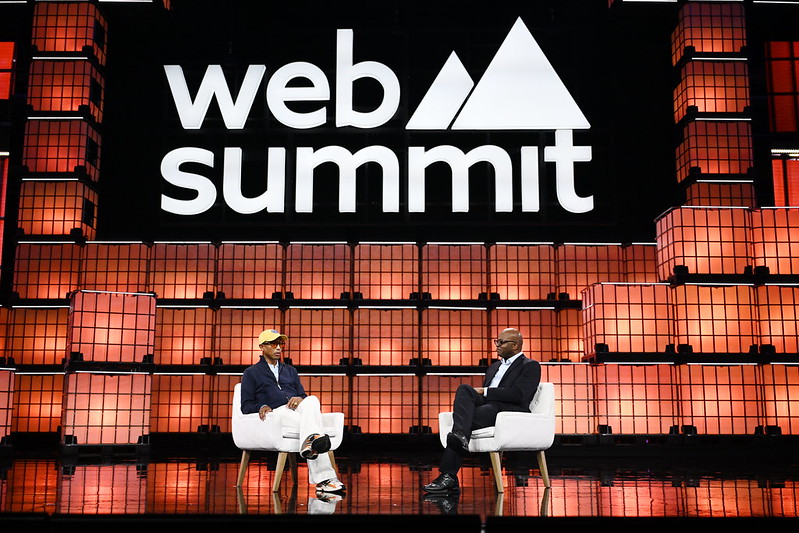
On opening night, Pharrell Williams joined Frank Cooper III, Chief Marketing Officer of Visa, for a conversation titled Culture × Commerce. What unfolded was more than a celebrity keynote. It was a thoughtful discussion about creativity, entrepreneurship, economic equity, and who gets to build wealth in the modern economy.
As a Black woman who has spent much of my career working around development, inclusion, culture, and economic opportunity, I found myself listening less to the celebrity and more to the entrepreneur. Beneath the star power was a much deeper conversation about access, ownership, and the systems that determine who benefits from innovation.
Ownership Is the Real Conversation
One of the strongest themes from Pharrell’s conversation was ownership. Not just creative ownership, but economic ownership. He spoke about the importance of investing in Black and Latinx entrepreneurs, especially those who have historically been excluded from access to capital, networks, and opportunity.
Through his nonprofit initiative, Black Ambition, Pharrell has focused on supporting underrepresented founders, including Black and Latinx entrepreneurs and students from Historically Black Colleges and Universities. That work matters because talent has never been the issue. Access has.
For me, this was the heart of the conversation. Culture has always created value. Black culture, in particular, has shaped music, fashion, language, beauty, sports, technology, and global trends. But too often, the people creating that value are not the ones building wealth from it.
When Culture Becomes Economic Power
Pharrell and Frank Cooper talked about the relationship between culture and commerce in a way that felt especially relevant in today’s creator economy. Creators are no longer simply entertainers. They are media companies, product developers, brand builders, community leaders, and entrepreneurs.
Technology has made it possible for more people to reach audiences directly, but access to platforms does not automatically create equity. Visibility is not the same as ownership. Influence is not the same as wealth. That distinction matters.
That is why conversations like this belong at Web Summit Lisbon. While climate innovators like Etosha Cave and sustainability startups like Releaf Paper are rethinking how we build products, Pharrell challenged us to rethink who gets to build wealth.
Redefining the American Dream
One of the most meaningful parts of the conversation was Pharrell’s reflection on success. He pushed beyond the traditional idea of the American Dream as simply making money or achieving status. Instead, he spoke about purpose, meaningful work, and building something rooted in love, creativity, and service.
That resonated with me because so much of my own journey has been about choosing work that reflects my values. Success cannot only be about accumulation. It also has to be about freedom, dignity, impact, and the ability to create opportunities for others.
For communities that have been excluded from wealth-building systems, this conversation becomes even more urgent. Entrepreneurship is not just about launching businesses. It can also become a pathway to agency, ownership, and generational change.
Technology Does Not Replace Humanity
Web Summit is filled with conversations about artificial intelligence, platforms, automation, and emerging tools. But Pharrell’s message was a reminder that technology without humanity is not enough.
If innovation does not expand opportunity, who is it really serving? If platforms amplify culture but do not support the people creating that culture, what kind of future are we building?
Those are the questions I kept thinking about as I listened. The future of commerce cannot only be faster, smarter, or more efficient. It also has to be more equitable.
Why This Conversation Belonged at Web Summit
Some people may have attended Pharrell’s session because they were fans. I understand that completely. But the conversation was much bigger than celebrity.
It belonged at Web Summit because technology, culture, and commerce are now deeply connected. The tools we build influence who gets heard, who gets funded, who gets protected, and who gets paid. That makes equity a technology issue too.
As DG Speaks continues covering Web Summit, these are the stories I want to keep following. Not just what is being built, but who is building it, who owns it, and who benefits from it.
Walking Away Thinking About Ownership
By the end of the session, I was not thinking only about Pharrell’s career. I was thinking about ownership, access, and how many brilliant creators never receive the resources they need to turn their ideas into sustainable businesses.
That is what made this conversation powerful. It connected culture to capital, creativity to systems, and inspiration to responsibility.
Pharrell reminded the audience that success means more when it opens doors for others. And in a room filled with founders, investors, brands, and decision-makers, that message needed to be heard.