Cuenca Femicide Memorial Bridge: Remembering the Victims
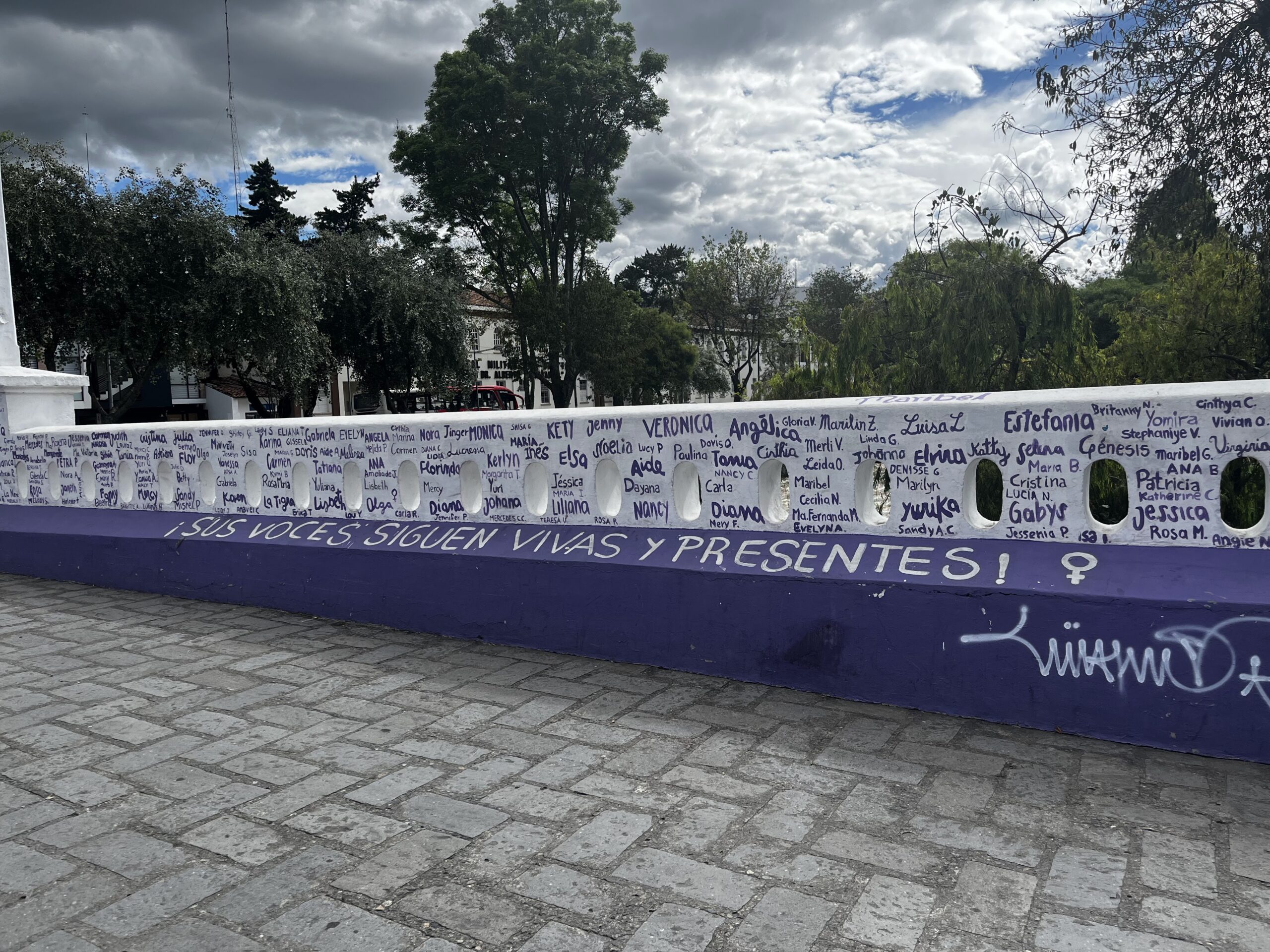
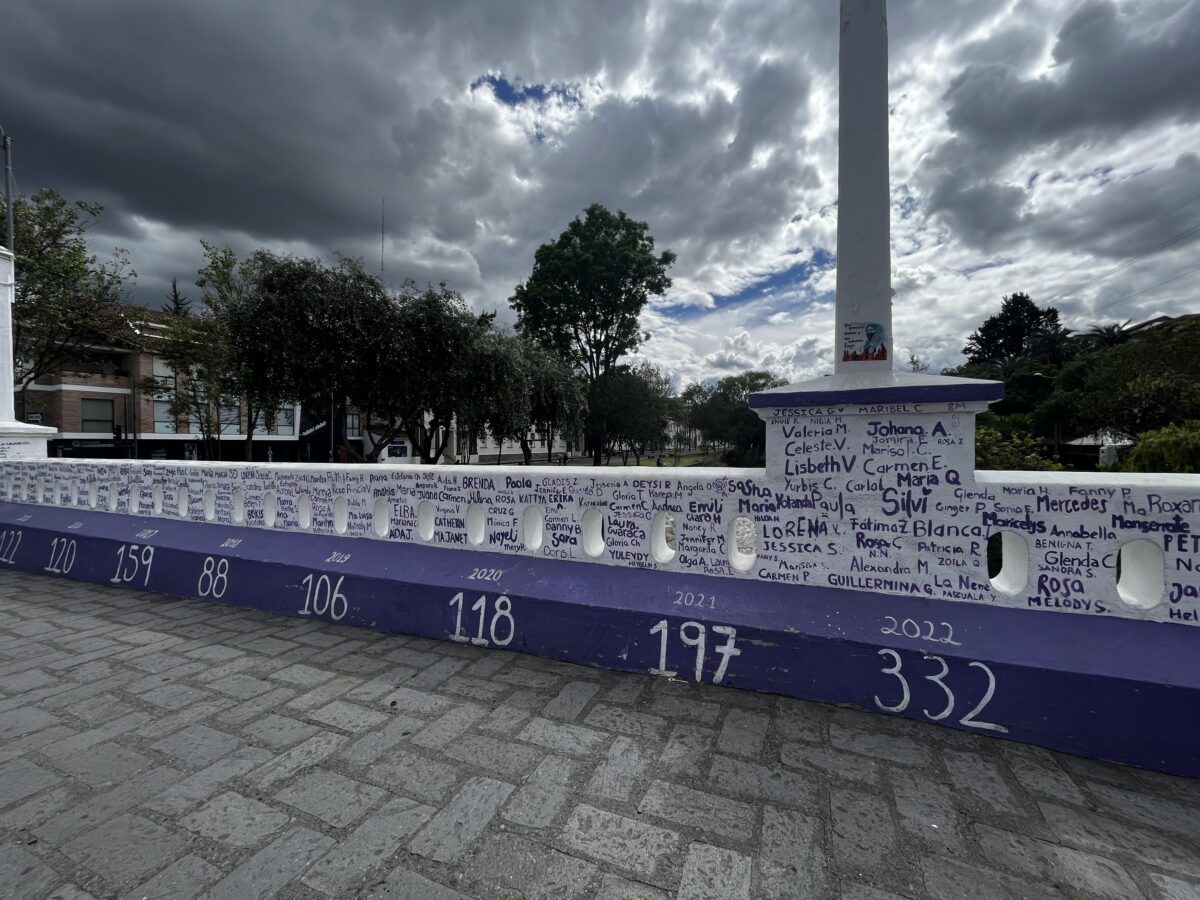
Recently, I had the opportunity to visit the Femicide Memorial Bridge in Cuenca, and honestly, it left me carrying a heavy emotional weight long after I walked away.
The bridge stands as both a memorial and a warning. It honors women whose lives were stolen through gender-based violence while also forcing visitors to confront a painful reality that continues across the world every single day.
As I walked along the Femicide Memorial Bridge, I saw countless names etched into the structure. Each name represented a woman whose life ended far too soon. Each name represented a family forever changed by loss.
It was impossible not to stop and reflect.
A Global Reminder About Violence Against Women
Although the memorial is located in Cuenca, the message behind it reaches far beyond Ecuador itself.
Violence against women is a global issue.
Too often, conversations about femicide, domestic violence, and abuse are pushed aside until another tragedy makes headlines. However, standing at the memorial makes it painfully clear that these stories are not isolated incidents. They represent ongoing systemic problems tied to inequality, poverty, misogyny, and silence.
Visiting the Femicide Memorial Bridge forced me to think deeply about how easy it can be for societies to normalize violence against women or fail to respond with urgency until it is too late.
Why Believing Survivors Matters
One of the biggest changes we need culturally is learning to believe women when they come forward with their experiences.
Far too many survivors are dismissed, questioned, blamed, or shamed after speaking about abuse or assault. That disbelief creates even more trauma and often discourages others from seeking help at all.
We need to build communities where survivors feel protected, supported, and heard.
That support can look different in different situations:
- Listening without judgment
- Helping people access resources
- Learning warning signs of abuse
- Supporting survivor advocacy organizations
- Challenging harmful cultural attitudes
Small actions matter more than many people realize.
The Importance of Education and Awareness
Another thing the Femicide Memorial Bridge reminded me of is how important education is in preventing violence.
Many people still do not fully understand the warning signs of domestic abuse or controlling behavior. Others may want to help but do not know how to intervene safely.
Education creates awareness. Awareness creates action.
Communities need stronger conversations around:
- Healthy relationships
- Consent
- Emotional abuse
- Financial control
- Gender inequality
- Victim advocacy
At the same time, we must continue supporting organizations working directly with survivors and vulnerable communities.
Addressing the Root Causes of Femicide
Femicide does not happen in isolation.
It often exists alongside larger societal issues such as:
- Poverty
- Economic instability
- Gender inequality
- Lack of education
- Weak legal protections
- Limited access to social resources
If we truly want lasting change, we cannot focus only on reacting after violence occurs. We also have to address the systems and conditions that allow violence to continue unchecked in the first place.
That requires policy changes, community accountability, education, and cultural shifts that value women’s safety and autonomy.
Leaving the Cuenca Femicide Memorial Bridge Changed
As I left the Femicide Memorial Bridge, I felt emotionally drained but also deeply reflective.
The memorial is heartbreaking. However, it also serves an important purpose. It forces people to remember. It refuses to let these women disappear into silence.
More than anything, the experience reminded me that honoring victims means more than mourning them. It means continuing to fight for a world where women are safe, respected, protected, and believed.
We cannot undo the lives already lost. However, we can choose what kind of future we build moving forward.