The Road Trip Snack Bag Is Serious Business
I do not play about the snack bag.
A road trip can have beautiful scenery, the perfect playlist, and excellent company. However, once hunger enters the car, the mood can change faster than the landscape.
Suddenly, every exit sign feels urgent. Someone becomes irritated over directions, another person wants to stop at the first gas station, and the driver insists the next town cannot be far.
This is why I consider road trip snacks part of the travel plan rather than an afterthought.
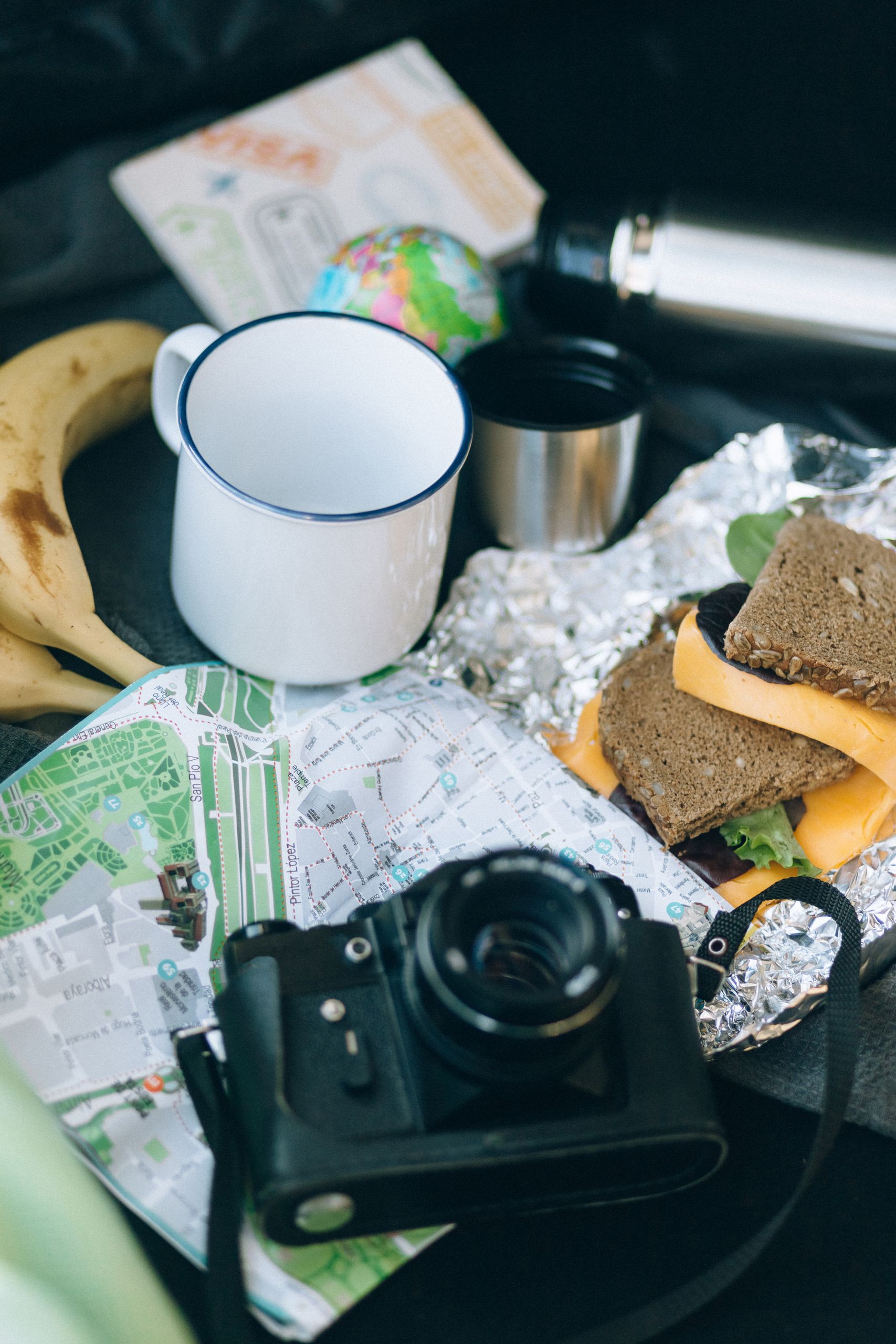
Before the engine starts, I want water, something salty, something sweet, and something with enough protein to keep hunger from taking control. Fruit may also come along when I am feeling responsible and have packed it in a way that will not leave the backseat sticky.
This is not excess.
It is strategy.
The Snack Bag Sets the Tone
Road trips involve more waiting than the photographs suggest.
Traffic slows, construction appears, and the scenic route takes longer than expected. Even a short trip can stretch when everyone needs a restroom, gasoline, or time to figure out where they are going.
A well-packed snack bag makes those delays easier to manage.
Instead of treating every inconvenience like an emergency, I can drink some water, eat something, and decide whether the situation is truly frustrating or whether I am simply hungry.
Food cannot solve every travel problem. Still, it can prevent hunger from becoming one.
Something Salty, Something Sweet, Something Steady
I prefer a mix rather than one large bag of the same snack.
Chips, crackers, pretzels, or popcorn satisfy the need for something salty. A small amount of candy, cookies, dried fruit, or chocolate can add sweetness without taking over the entire bag.
Protein matters because it helps the snacks feel more like actual support. Nuts, nut butter packets, jerky, cheese, boiled eggs, sandwiches, or another filling option can keep me satisfied longer than candy alone.
The goal is not nutritional perfection.
I simply want choices that support the length and demands of the drive.
Water Belongs at the Top of the List
Snacks often receive more excitement, but water does the most important work.
Air conditioning, heat, caffeine, and hours inside a car can leave me dehydrated without realizing it. By the time a headache appears, my energy and patience may already be dropping.
I keep water within reach rather than buried beneath luggage.
At the same time, I try to balance hydration with realistic restroom access. Drinking everything during the first hour can create its own scheduling problem.
Steady sipping works better than waiting until I feel extremely thirsty.
Food Safety Does Not Take a Vacation
Some snacks travel easily at room temperature. Others need more care.
Sandwiches with meat, dairy products, boiled eggs, cut fruit, and certain prepared foods should remain properly chilled. A cooler with ice packs can help, but it should stay out of direct sunlight whenever possible.
I also avoid packing more perishable food than we can reasonably eat during the safe part of the journey.
Warm cars create risky conditions quickly, especially during summer. If something has been sitting too long or no longer looks, smells, or feels right, I do not treat the road trip as a reason to take chances.
A snack is never worth getting sick over.
The Best Snacks Are Easy to Reach
Packing food beautifully does not help if nobody can access it.
I keep frequently used items near the passengers rather than inside a suitcase at the bottom of the trunk. Napkins, wipes, utensils, and a small trash bag should also be easy to find.
Portioning some foods before leaving reduces mess and unnecessary searching. Large bags may save money, but smaller containers make sharing easier and help prevent the entire supply from disappearing during the first hour.
Good organization protects the snacks from becoming another source of chaos.
The Backseat Has Its Own Food Memory
Road trip food carries a particular kind of nostalgia.
Families often pack the same foods repeatedly: chips, crackers, sandwiches, grapes, boiled eggs, trail mix, candy, or whatever could survive the journey and satisfy several people.
Years later, the taste of one snack can bring back the interior of a specific car, a familiar highway, or the sound of someone asking how much longer the trip would take.
This connects with my reflections on the food memories that continue following us home.
The food may have seemed ordinary at the time. Eventually, it becomes part of the story.
Every Family Develops Snack Rules
Road trips reveal household culture in small ways.
Some families allow eating only at designated stops, while others pass snacks around as soon as the car leaves the driveway. One person protects the special treats, and another opens everything immediately.
There may also be firm rules about crumbs, strong smells, sticky fingers, and whether anyone is allowed to eat the driver’s favorite snack without asking.
These habits may sound trivial, but they shape how people experience the trip together.
A snack bag becomes a tiny system of sharing, preference, and negotiation.
Not Every Stop Needs to Be Avoided
Packing food does not mean I refuse every roadside meal.
Some stops become part of the pleasure. A local bakery, barbecue restaurant, roadside fruit stand, or diner can offer more than convenience.
Food can provide a reason to leave the highway and understand something about the region.
The snack bag gives me enough freedom to choose those stops intentionally. I do not have to settle for the nearest expensive option simply because everyone became hungry at the same time.
Planning reduces desperation without removing discovery.
Snacks Support Slow Travel Too
A road trip may seem different from slow travel, but the principles can overlap.
When basic needs are handled, I can respond more patiently to the journey. A delay becomes less threatening, and a scenic detour feels more possible because hunger is not forcing the schedule.
This connects with what slow travel has taught me about choosing presence over pace.
Moving slowly becomes easier when the body feels supported.
Sometimes, a snack buys enough time to stop at the overlook, explore the small town, or wait for the better meal farther down the road.
The Driver Needs Different Support
The person behind the wheel cannot manage snacks the same way as everyone else.
Food should be easy to eat without creating distraction. Complicated wrappers, dripping sandwiches, and containers that require two hands belong at a rest stop rather than in moving traffic.
A passenger can help by opening packages, passing water, and handling anything that takes the driver’s attention away from the road.
Caffeine may help temporarily, but it cannot replace sleep. If the driver feels dangerously tired, the answer is rest, a change of drivers, or a safe stop.
No snack can make exhaustion safe.
Different Bodies Need Different Snacks
One bag will not work equally well for everyone.
Allergies, dietary restrictions, medical conditions, dental needs, and personal preferences affect what people can comfortably eat. Children may need familiar options, while someone managing blood sugar may require more dependable timing and balance.
Asking before the trip prevents avoidable frustration.
I also keep separate foods clearly identified when cross-contact could create a serious problem.
A thoughtful snack plan considers the actual people in the car rather than an imaginary average traveler.
Healthy Does Not Have to Mean Joyless
Road trip food advice often swings between two extremes.
One version suggests packing only highly nutritious food and avoiding every traditional treat. Another treats the journey as permission to eat nothing but candy, chips, and fast food.
I prefer a middle ground.
Fruit, nuts, water, sandwiches, and protein-rich snacks can travel beside candy or a favorite bag of chips. Pleasure and practicality do not need separate bags.
The trip may last one day, but nobody enjoys feeling unwell halfway through it.
A Small Cleanup Plan Saves the Car
Food wrappers multiply quickly inside a moving vehicle.
Without a designated place for trash, bottles roll beneath seats, napkins disappear, and sticky packaging ends up in door pockets. A simple trash bag or reusable container keeps the mess under control.
Wipes and napkins also earn their place.
Someone will spill something. Fruit will leak, chocolate will melt, or a condiment packet will behave badly.
Preparedness turns the incident into a small cleanup rather than a lasting feature of the upholstery.
Travel Tools Can Reduce the Friction
A soft cooler, reusable containers, water bottles, organizers, and other practical items can make snack packing easier. I share some of the road trip and travel products I use or recommend through my Amazon travel shop.
For larger travel concerns, travel medical coverage through SafetyWing may provide support for eligible illnesses, injuries, or other covered disruptions.
Insurance handles bigger risks.
The snack bag handles the mood between exits.
Some of the Best Food Appears Unexpectedly
Although I prepare carefully, I still leave room for surprise.
A roadside market may have local fruit, baked goods, regional snacks, or something I have never tried. Those discoveries can become part of how I remember the route.
I do not need to purchase everything that catches my attention. However, tasting one local specialty can connect the landscape with flavor.
The journey becomes more than the distance between two cities.
It develops a taste of its own.
Why Planning Feeds Freedom
A good snack plan does not make the trip rigid.
It creates options.
When water and food are available, I can decide where to stop based on interest rather than desperation. Traffic feels less personal, and the passengers have fewer reasons to turn hunger into conflict.
Road trip snacks may sound like a minor detail, but small details often determine whether travel feels manageable.
I want enough variety to support different moods, enough protein to remain steady, and enough treats to make the car feel like part of the adventure. Napkins, wipes, water, and safe storage matter just as much as the food itself.
Planning feeds freedom.
Once the basics are handled, I can look out the window, enjoy the music, and allow the road to unfold without wondering when hunger will take over the car.
Explore more road trip ideas, travel planning lessons, and stories about moving through destinations at a more human pace through DG Speaks Travel. You can also discover how snacks, roadside meals, and familiar flavors shape our memories through DG Speaks Food, or read more about family rituals, everyday culture, and the habits that shape how we travel through DG Speaks Culture.