Summer Shade Is Public Infrastructure, Not a Luxury
One summer afternoon, I set out to walk what looked like a manageable distance on the map. The route was not long, and I had water with me, but nearly every block was exposed. The sidewalks radiated heat, the bus shelter offered no shelter at all, and the few trees I passed were too young or too sparse to make much difference.
By the time I reached my destination, the walk had become something else entirely. I was no longer thinking about the neighborhood, the architecture, or what I had hoped to see. I was measuring the distance between patches of shade.
That experience changed the way I understand hot-weather cities. Heat does not simply raise the temperature. It redraws the map.
A short route becomes demanding when every block is exposed. A public square designed to look beautiful in photographs may offer nowhere to sit safely, while a bus stop becomes a test of endurance when the person waiting has no control over when the bus arrives.
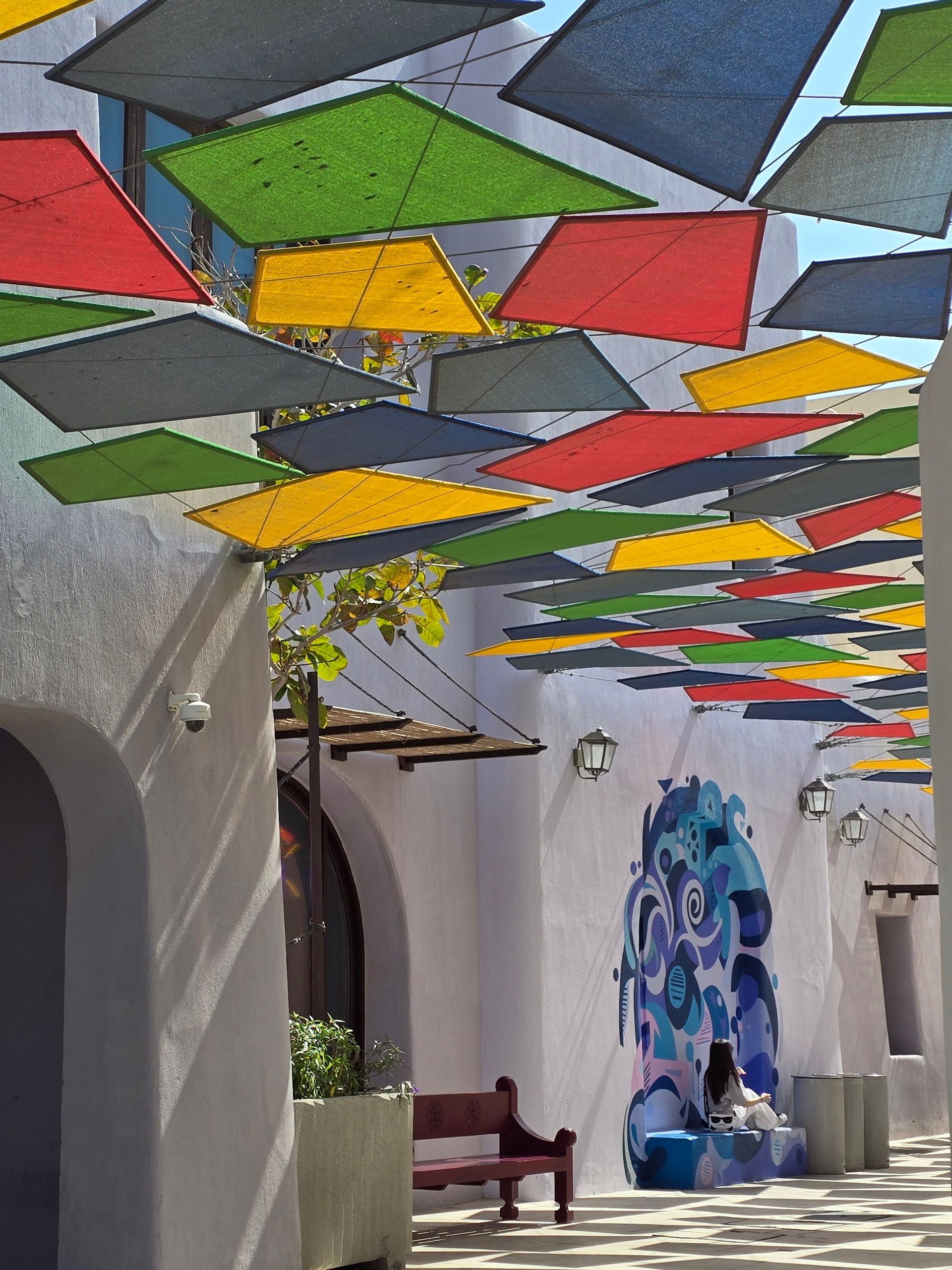
Summer shade is not decorative. It determines whether people can move, work, wait, gather, and participate without unnecessary risk.
Summer Shade Changes Who Can Use a City
Hot weather is never experienced equally.
Someone with a car, flexible schedule, air-conditioned home, and money to step into a café can avoid some exposure. A transit rider, outdoor worker, unhoused person, child, elder, or person managing a health condition may have far fewer choices.
The same temperature produces different levels of danger depending on income, housing, labor, mobility, and access to cooling. Weather becomes a public-health issue through infrastructure because the built environment determines who receives protection and who is expected to absorb the heat.
I notice this more now when I travel. A city may advertise itself as walkable, yet the experience changes completely if sidewalks are uncovered, public restrooms are scarce, and indoor spaces require a purchase before someone can cool down.
Walkability is not only about distance. It is also about whether the route remains physically usable under real conditions.
Trees Are Long-Term Public Assets
Mature trees can transform a street. Their shade lowers the felt intensity of the sun, protects sidewalks, supports habitat, and makes ordinary movement more tolerable.
They also make neighborhoods feel cared for. A tree-lined block invites people to walk, sit, talk, and linger in ways that a wide stretch of concrete rarely does.
Canopy coverage, however, is often uneven. Neighborhoods shaped by disinvestment may have fewer mature trees, more paved surfaces, and less protection from rising heat.
Planting campaigns matter, but planting alone is not enough. Trees need water, maintenance, room for roots, and protection from development or neglect. A sapling placed beside a road will not provide meaningful shade for years, which is why preservation matters as much as new planting.
Summer comfort depends on choices made long before the hottest day arrives.
A Bus Stop Needs More Than a Sign
A transit stop without shade asks riders to absorb heat while waiting for a service they cannot control.
That design communicates something about whose time and body are considered important. Drivers move through the city inside climate-controlled vehicles while riders stand beside a pole with no seating, shelter, or reliable information.
A usable stop needs more than a route number. Seating, overhead coverage, nearby water access, lighting, and accurate arrival times all change the experience.
Public transportation is only as accessible as the conditions surrounding it. A bus may technically serve a neighborhood, but the system remains incomplete if waiting for it exposes people to avoidable danger.
Mobility should not require physical punishment.
Travel Plans Must Respect the Temperature
Visitors often build summer itineraries around what fits on a screen. A museum, monument, market, and restaurant may appear close together, yet the map does not show direct sun, hills, humidity, crowded streets, or the lack of places to rest.
I have learned that an ambitious outdoor schedule is not automatically a good one. Early starts, indoor breaks, shorter routes, water, and time near shade can make the difference between enjoying a destination and simply enduring it.
A packed itinerary is not evidence of courage when the conditions make it unsafe.
My reflection on the first walk that feels like spring celebrates the freedom of moving through a season as the world begins opening again. Summer requires another kind of wisdom.
Warmth may invite me outside, but heat asks me to listen more carefully.
The Body Gives Information Before It Gives Up
Dizziness, nausea, weakness, headache, confusion, and unusual fatigue are not signs that I should prove my commitment by pushing harder.
The body usually gives information before it reaches a crisis. The challenge is respecting that information before pride, a reservation, a ticket, or someone else’s pace convinces me to ignore it.
Plans can change. A tour can be shortened, a walk postponed, or an outdoor event left early.
Women may also be navigating menopause, pregnancy, medication effects, menstruation, pelvic-floor concerns, or the need for more frequent restroom access. These factors can shape how long someone can remain outside comfortably, even when they are not visible to anyone else.
My article on pelvic-floor health for hikers reinforces the importance of planning around actual bodies rather than idealized ones. A route is not truly accessible if using it requires people to ignore what their bodies are telling them.
Summer Shade Supports Social Life
Shade affects more than physical comfort. It influences whether public life can continue.
Parks, playgrounds, plazas, café terraces, and public benches work differently when people can remain there without overheating. Families stay longer, elders have somewhere to rest, children can play more safely, and conversations have time to unfold.
Without shade, outdoor life becomes shorter and less inclusive. People retreat indoors, but not everyone has equal access to comfortable indoor space.
Cooling design supports community connection because it allows people to remain visible to one another. The park bench, shaded table, or tree-covered sidewalk becomes part of the social infrastructure of the neighborhood.
A public space is not truly public if only the heat-tolerant can use it.
Indoor Cooling Is Unequal Too
Air-conditioning can protect health, but access depends on housing quality, income, energy costs, and whether the system works reliably.
Some households avoid using cooling because the bill feels impossible. Others live in buildings that trap heat, lack proper insulation, or offer little control over ventilation.
This connects with my reflections in What Warmth Costs. Seasonal comfort is never only about weather. It is also about money, infrastructure, and the quality of the building surrounding us.
Climate resilience must address both public space and private housing. A shaded street helps, but people also need safe homes where their bodies can recover.
Cooling should not be treated as a luxury when heat itself has become a health threat.
Rest Can Be a Summer Strategy
There are cultures that already understand the value of adjusting the day around the heat. Activity begins earlier, midday slows down, and public life returns when conditions become more manageable.
That rhythm can look unproductive through the lens of constant motion, but it is often practical.
My essay Summer With More Shade explores the value of changing the day instead of demanding that the body ignore the season.
Rest allows activity to continue without turning endurance into a test. It protects the body so that the rest of the day remains possible.
I am trying to stop treating every pause as a failure. Sometimes the wisest summer plan includes doing less at noon so I can still be present later.
Personal Preparation Has Limits
Water, sunscreen, hats, breathable clothing, and portable fans all matter. They can make movement safer and more comfortable.
Still, personal responsibility has limits. A person cannot drink enough water to create a shaded transit stop, wear enough sunscreen to lower the temperature of an exposed plaza, or buy the right hat to fix a workplace with no heat protections.
Preparation helps people navigate conditions, but it should not excuse poor design.
Cities and institutions often shift responsibility onto individuals because personal advice is cheaper than structural change. “Stay hydrated” becomes the message even when workers cannot take breaks, residents cannot afford cooling, and public spaces offer nowhere to escape the sun.
Infrastructure determines how far individual preparation can go.
Women Often Plan Around Exposure Before Anyone Notices
Women may quietly calculate clothing, hair, menstruation, medication, restroom access, safety, and how much water they can drink before agreeing to an outdoor plan.
These decisions are often invisible because we make them before arriving. By the time the event begins, the effort has already happened.
Heat also changes safety calculations. A woman may want to travel early in the morning or later in the evening to avoid the sun, but those hours can create different concerns around lighting, transit frequency, and isolation.
Inclusive summer planning asks practical questions before people arrive. Is there shade? Are restrooms available? Can someone sit down? Is water free? Can a person leave and return without losing access?
Participation becomes easier when organizers anticipate actual needs instead of assuming everyone will manage privately.
Events Need Real Heat Plans
Festivals, markets, tours, concerts, and outdoor celebrations should not rely on optimism.
A responsible heat plan identifies water sources, shaded or cooled areas, medical support, schedule adjustments, and clear communication when conditions become dangerous.
Staff and vendors need protection too. The people serving food, managing lines, cleaning, performing, or securing the site may spend far more time outside than the guests.
People should not have to choose between losing money and remaining in unsafe conditions. Refund policies, rescheduling options, and flexible tickets are part of responsible hospitality when extreme heat affects an event.
Preparation should be visible enough that guests know where to go before they begin feeling unwell.
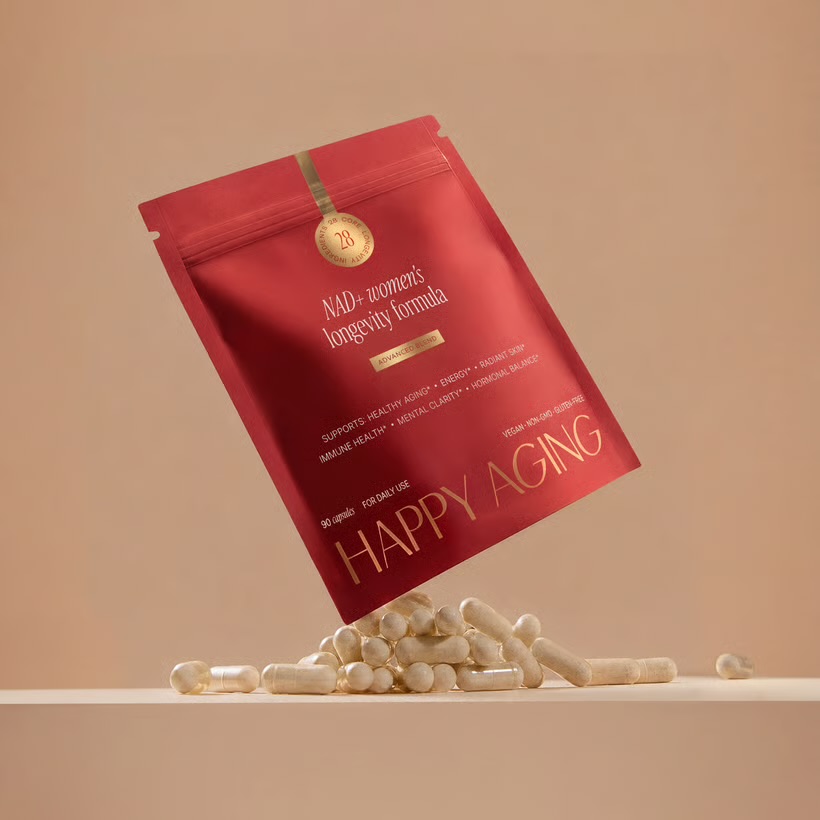
A DG Speaks Recommendation
I want more years to keep moving, traveling, and caring for my body through every season
I partnered with Happy Aging to share products that support energy, vitality, and a life shaped by movement, preparation, and everyday well-being.
Night Does Not Erase the Heat Immediately
Evening can feel like relief, but concrete, asphalt, and buildings may continue releasing heat long after sunset.
Travelers and residents may expect the temperature to drop quickly and discover that the streets remain heavy and warm. A nighttime event can still require water, pacing, breathable clothing, and places to rest.
The clock alone does not determine whether conditions are safe.
This matters especially in dense cities where buildings hold warmth and airflow is limited. The absence of direct sun does not automatically mean the body has stopped working to regulate itself.
Night can offer another chance to enjoy the city, but it should not be mistaken for a complete reset.
What Summer Shade Has Taught Me
The most useful lessons are often the ones that return during ordinary decisions.
Now, when I plan a walk, tour, event, or travel day in summer, I look beyond distance. I ask where the shade will be, whether there is somewhere to sit, how often I can go indoors, and what I will do if the heat becomes more intense than expected.
Those questions do not make the experience smaller. They make it more sustainable.
I want my reflections to change how I move through daily life, not simply give me language for one season. A lesson becomes meaningful when it remains available after the beautiful light, special meal, or carefully planned journey ends.
That is the measure I trust: not whether an idea sounds impressive, but whether it helps me live with more attention.
Summer Shade Belongs in Every Climate Conversation
Summer shade belongs in conversations about transportation, tourism, housing, workplace safety, public health, and neighborhood design.
A livable season depends on decisions made long before the heat arrives. Trees must be protected, shelters built, buildings improved, schedules adjusted, workers safeguarded, and public spaces designed around bodies rather than appearances.
Shade is not an extra feature added after the important work is finished.
It is part of the important work.
That afternoon, I eventually found relief beneath the awning of a small shop. I stood there for several minutes, drinking water and watching other people make the same calculation I had made. They moved from one thin strip of cover to another because the street offered almost nothing else.
The city had not run out of space. It had failed to distribute comfort through that space.
That distinction stays with me.
A place reveals its priorities through what it protects. Summer shade tells us whether a city has designed public life for everyone or only for those with the resources to escape it.
Shade is not decorative.
It is part of whether a place allows people to remain human in the heat.
Find more writing about public space, health, inequality, climate, and everyday life through DG Speaks Culture.