A Summer Meal Tells Me the Season Has Arrived
One evening, I carried a plate outside and sat down while the sun still lingered above the trees.
Juice from a ripe peach ran down my hand. Corn waited beside something simple from the grill, and beads of water covered my cold glass. Nothing about the meal felt elaborate, yet everything tasted like summer.
That is often how the season reaches me. Summer arrives at the table before I notice it on the calendar.
A ripe piece of fruit needs almost no help. Corn grows sweeter, cold drinks begin sweating, and the smell of outdoor cooking changes the mood of an evening.
No single menu defines a summer meal. Light, heat, ingredients, and the way people gather give it a seasonal rhythm.
Summer Changes My Kitchen Priorities
Hot weather changes how much effort I want to bring into the kitchen.
I rarely want to stand beside a hot oven for hours when the air already feels heavy. Instead, I reach for meals that cook quickly, use fewer heated appliances, or allow me to prepare ingredients earlier in the day.
This shift does not make summer cooking less thoughtful. It simply asks me to work with the season rather than against it.
Sometimes culinary intelligence looks like knowing when not to complicate good food. A tomato, peach, melon, or ear of corn at its peak may need little more than seasoning and attention.
Ease belongs in the kitchen too.
Fresh Food Still Carries Labor
Summer produce can make abundance appear effortless.
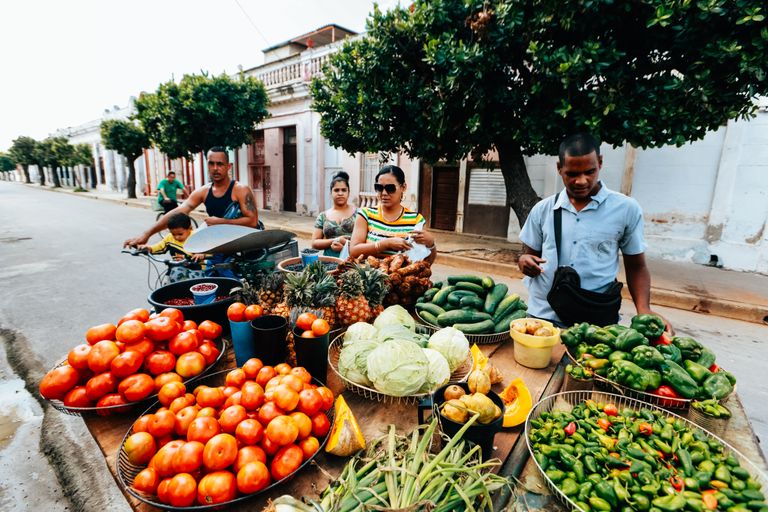
Colorful stands overflow with berries, melons, greens, tomatoes, and corn. However, every beautiful display represents hours of human labor.
Farmworkers plant, weed, harvest, sort, pack, and transport food through some of the hottest months of the year. Drivers move it across long distances. Market workers unload crates and arrange displays before many shoppers begin their day.
Seasonal beauty should never erase the people who make that abundance possible.
I think about this whenever my summer table begins to overflow. In The Women Who Keep the Food Moving, I explore the often-unrecognized labor that carries food from farms and markets to our plates.
The Pantry Keeps a Summer Meal Grounded
Fresh produce may become the star of the season, but pantry staples help me build a complete meal.
Beans, grains, oils, spices, pasta, and preserved foods give structure to what I bring home from the market. Rice can support grilled vegetables. Beans can turn corn and greens into dinner. A jar of spices can transform a simple piece of fish or chicken.
A seasonal table does not require buying every ingredient new.
The Pantry After the Holidays offers a practical reminder that stored food remains valuable throughout the year. Summer simply gives those ingredients a different supporting cast.
Freshness and thrift can share the same plate.
Cold Food Can Still Feel Generous
I used to associate a substantial meal with steam rising from the plate.
Summer reminds me that warmth does not determine generosity. A cold meal can offer flavor, nourishment, and care without adding more heat to the day.
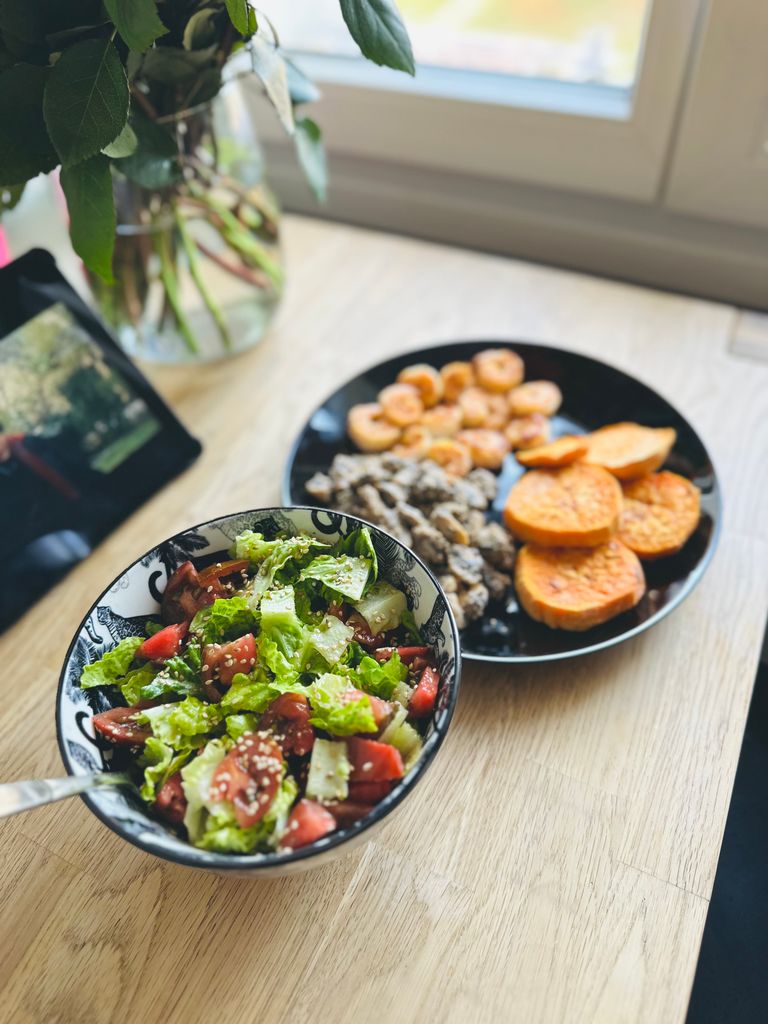
Chilled soups, grain bowls, sandwiches, fruit, pasta salads, and crisp vegetables can create a deeply satisfying table. Good seasoning matters more than temperature.
Presentation also makes a difference. A bowl filled with colorful fruit or a platter arranged for sharing can feel abundant without requiring an oversized meal.
When the heat changes my appetite, I let the menu respond.
Summer Flavor Has Many Languages
No single plate represents summer for everyone.
For one family, the season may taste like barbecue, watermelon, baked beans, and corn. Somewhere else, people may gather around grilled fish, mango, rice, cold noodles, plantains, ceviche, or a dish tied to a particular village or coastline.
Climate shapes what grows. Culture shapes how people season, prepare, and share it.
My own food memories reflect the places and people that have shaped me. Southern traditions, Afro-Latin flavors, travel experiences, and family habits all influence what feels seasonal on my table.
Food gives the same season many languages.
Outdoor Cooking Brings Pleasure and Responsibility
Few smells announce summer as clearly as food cooking over an outdoor flame.
A grill creates flavor, encourages people to gather, and keeps some heat outside the kitchen. Still, outdoor cooking requires more than good seasoning.
Raw and cooked foods need separate plates and utensils. Perishable ingredients must remain cold until cooking begins. The person at the grill also needs a clean space, safe equipment, and enough light to monitor the food.
When meat fits the menu, ButcherBox may provide convenient ingredients. However, safe thawing, storage, and cooking matter more than the size of the centerpiece.
The USDA food safety guidance offers practical information for handling, cooking, and storing food safely.
Longer Light Changes the Shape of Dinner
Summer evenings make dinner feel less hurried.
Daylight remains after the plates arrive. Children keep playing, neighbors stop to talk, and conversations stretch beyond the last bite.
Eventually, the boundary between dinner and gathering begins to disappear.
I love that unhurried feeling. However, everyone cannot enjoy it equally when one person continues serving, clearing plates, packing leftovers, and cleaning the kitchen.
Shared pleasure requires shared labor. Someone who helped create the meal should not miss the evening because everyone else assumed the work had ended.
The Cook Deserves Relief From the Heat
A summer meal can feel very different to the person preparing it.
Guests may wait in an air-conditioned room while the cook moves between a hot stove, a crowded counter, and an outdoor grill. By the time the meal begins, that person may feel exhausted rather than festive.
Earlier preparation can ease some of that strain. So can choosing foods that require less heat, sharing the chopping, asking someone else to manage the grill, or assigning cleanup before anyone sits down.
Seasonal pleasure should include the person producing it.
Hydration Belongs at the Center of the Table
Hot weather changes what our bodies need.
Water should feel as visible and inviting as every other drink on the table. Chilled tea, infused water, sparkling water, and fruit can also help people refresh themselves throughout the meal.
Alcohol may affect someone more strongly after a day in the heat, especially when that person has exercised, walked long distances, or eaten very little.
A generous host should never make nonalcoholic drinks feel like an afterthought. Everyone deserves an appealing option that supports the way they want or need to care for their body.
Pleasure Does Not Require Excess
Summer advertising often connects celebration with overflowing tables.
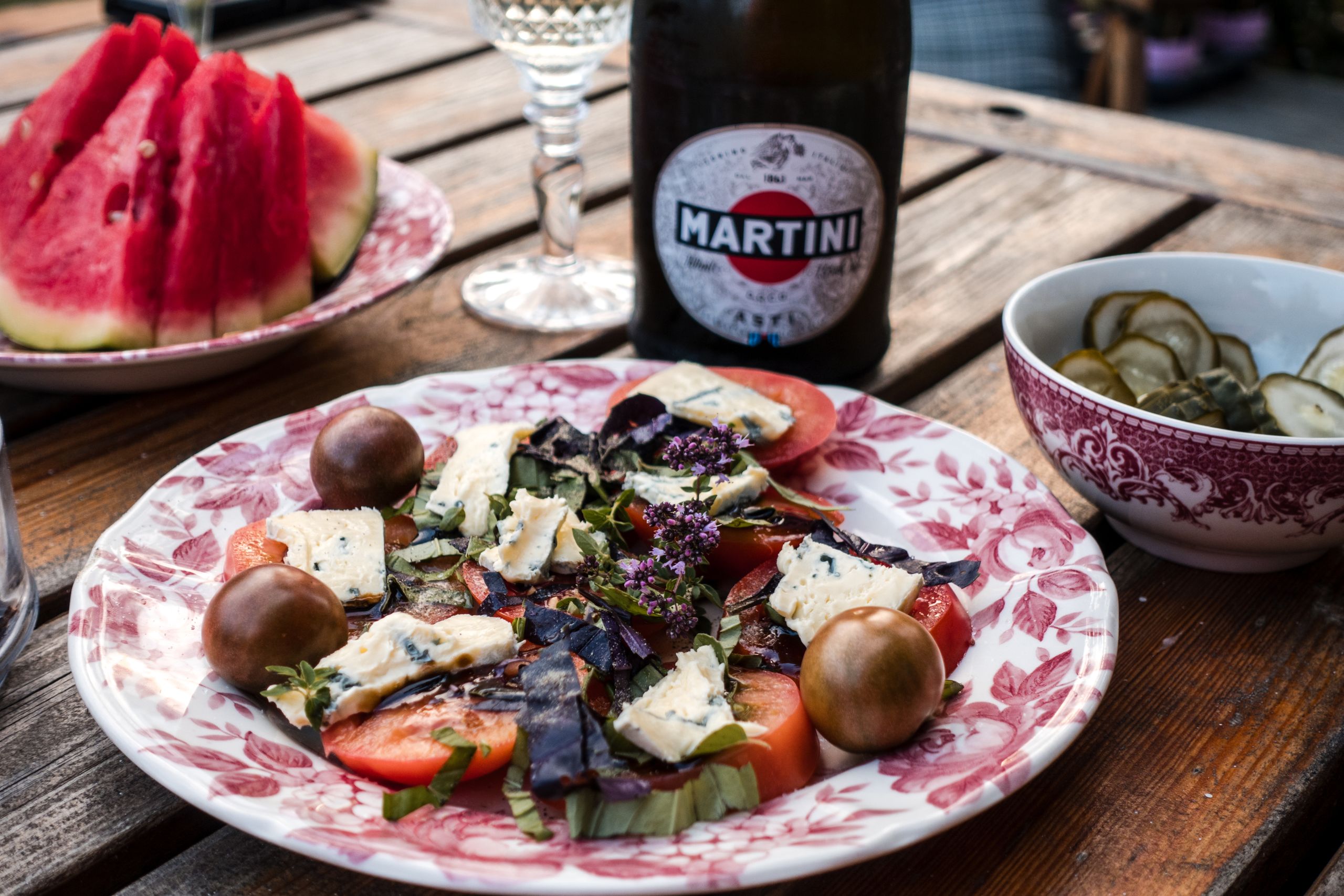
Yet some of my most memorable meals have remained remarkably simple. Good bread, ripe fruit, one flavorful dish, and something cold to drink can create everything the moment needs.
More food does not guarantee more joy. Excess may instead bring higher costs, additional work, and leftovers that nobody wants.
Attention matters more than volume. When the ingredients taste good and the people feel welcome, a modest table can feel abundant.
Summer Leftovers Need Faster Attention
Warm evenings encourage people to linger, but the leftovers cannot always linger with us.
Heat allows bacteria to grow more quickly in perishable food. Meat, dairy products, cooked grains, cut fruit, and prepared dishes need timely refrigeration.
I try to store food before the conversation carries me too far into the evening. Dividing large portions into shallow containers also helps them cool more quickly.
This practical step may interrupt the mood for a few minutes. However, food safety protects a joyful memory from becoming an illness.
Care continues after the final serving.
I Usually Recognize the First Summer Meal Late
I rarely plan the first true summer meal as an official event.
Recognition usually arrives halfway through eating. The air feels soft, the food tastes bright, and the evening light seems to belong with everything on the plate.
Suddenly, I know the season has changed.
No announcement marked the transition. Ordinary life simply crossed into another rhythm while I was sitting at the table.
The Season Enters Through Appetite
A summer meal marks a change in how I want to eat, cook, and gather.
It may happen outdoors. Fresh produce may fill the plate, or a chilled dish may arrive after a long, hot day. Yet its meaning comes from recognizing that the season has entered ordinary life.
I want to enjoy that abundance without treating it as effortless. Workers, land, water, transportation, and household labor carry every ingredient to the table.
Remembering those connections does not diminish pleasure. Instead, it gives the meal more meaning.
Read more reflections about food, culture, memory, and seasonal living in DG Speaks Food.