What the Market Tells Me About Spring
Spring never arrives at a market all at once.
One stall may have strawberries while another still depends on potatoes, onions, and jars preserved through winter. Tender greens appear beside foods that have been stored for months. A vendor may have only a small amount of something everyone wants because the weather was late, wet, cold, or unpredictable.
This is what I appreciate about a spring market. It refuses the fantasy that a season begins on a clean date. The market shows transition as uneven, local, and shaped by labor.
The Tables Tell a More Honest Story Than the Calendar
Food media often gives each season a perfect visual language. Spring means peas, asparagus, flowers, and baskets overflowing with green.
Actual markets are less coordinated. Climate, elevation, rainfall, soil, labor, and transportation decide what appears. A crop thriving in one region may be weeks away in another.
Instead of arriving with a rigid shopping list, I ask what is good now. That question allows the place to answer for itself.
Freshness Is Not the Only Measure of Value
The excitement of early produce can make pantry food seem dull. Yet beans, rice, grains, spices, frozen vegetables, and preserved foods remain part of the meal.
The pantry after the holidays taught me to see stored food as practical support rather than evidence that I had failed to shop perfectly. Spring does not require abandoning what is already available.
A handful of fresh herbs can wake up a pot of beans. New greens can join rice, eggs, meat, or a grain salad without carrying the entire meal alone.
Women’s Knowledge Moves Across the Stalls
At many markets, women are not only selling food. They are explaining it.
They know which greens need longer cooking, which fruit will be ready tomorrow, and what happened to the crop after an unusual week of weather. That knowledge comes from repetition, memory, and direct contact with food.
My essay on the women who keep the food moving reminds me to look beyond the beauty of the display. Someone planted, harvested, washed, sorted, packed, transported, and arranged what I see.
Price Belongs in the Conversation
Farmers markets often get presented as a simple moral choice: shop local and support small producers.
I value that support, but price, transportation, time, and storage shape who can participate. A household may want local produce and still need to compare every dollar. Another person may live far from a market or work during its limited hours.
Access is not a personal virtue. It is a relationship between income, infrastructure, time, and geography.
A Vendor Conversation Can Change Dinner
A short exchange sometimes changes what I cook.
The vendor may suggest roasting a vegetable I usually boil, using the leaves I planned to discard, or pairing an unfamiliar ingredient with something already in my kitchen. That advice can turn a purchase into a lesson.
Respect matters, though. A busy seller is working, not performing a private cooking class for every shopper. Curiosity should remain aware of the person’s time.
The Best Spring Meals Often Stay Simple
Early seasonal food does not always need a complicated recipe.
Roasting, sautéing, blanching, or eating an ingredient raw may be enough. Good bread, a grain, beans, eggs, or protein can make the plate complete without burying the produce under excessive preparation.
When meat fits the menu, ButcherBox may provide one source for ingredients. Still, I want the food already present in the season to influence the meal rather than serve as decoration around a predetermined centerpiece.
Markets Show Culture in Motion
A market reveals more than agriculture.
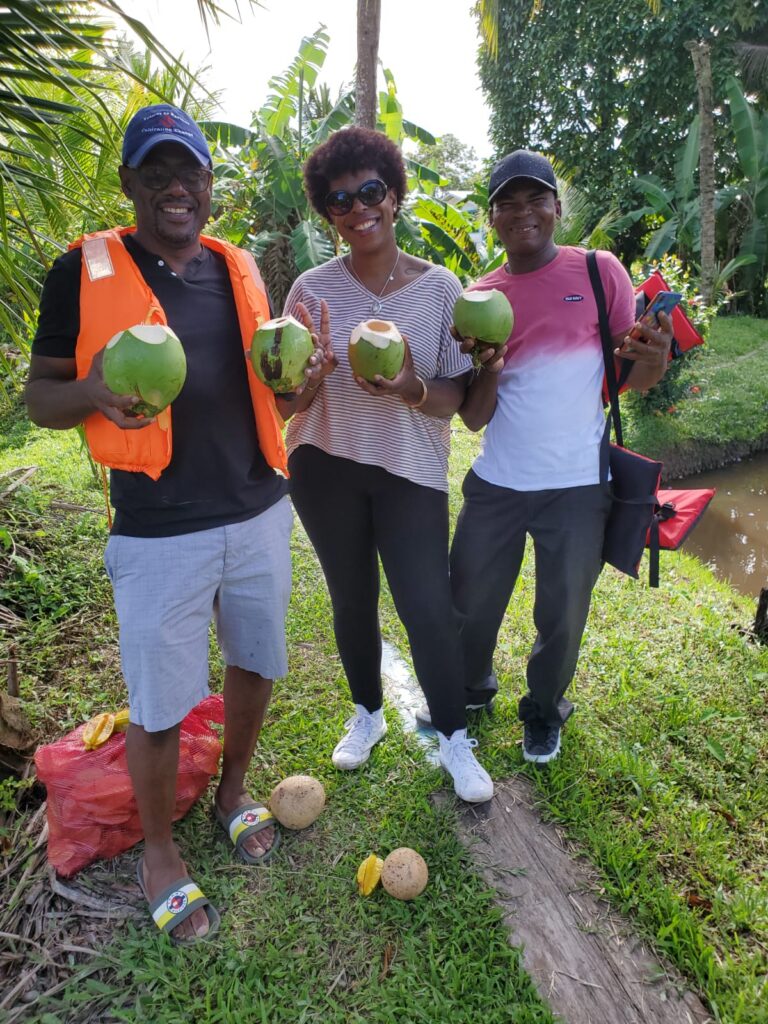
It shows migration, language, neighborhood change, family habits, and which foods vendors believe customers will understand. The same ingredient may appear under several names or belong to several culinary traditions.
This is part of why DG Speaks focuses so much on food. Food lets me see economics, culture, memory, and power inside something as ordinary as deciding what to cook.
Weather Keeps the Market Humble
A crop can fail. Rain can reduce turnout. Heat can push a season forward, while cold delays what shoppers expected to find.
That uncertainty reminds me that food is not manufactured by desire. The market cannot guarantee abundance simply because a recipe trend says an ingredient should be available.
Flexibility is part of seasonal eating.
The Market Rewards Attention More Than Expertise
I do not need to arrive knowing the name of every variety. Attention can begin with color, smell, texture, and a willingness to ask one thoughtful question.
Over time, repetition creates knowledge. I notice when berries become sweeter, when greens grow tougher, and when one ingredient disappears for the year.
Seasonal literacy develops through returning, not through pretending I already understand everything.
Waste Begins With Unrealistic Ambition
A beautiful market can persuade me to buy for the person I imagine becoming during the week. She cooks every night, uses every herb, and turns unfamiliar produce into effortless meals.
The real week may include fatigue, schedule changes, and food already waiting at home. Buying less protects both the budget and the ingredients from becoming compost through neglect.
I try to leave with a plan for the next few meals rather than a fantasy about the next version of myself.
Seasonal Food Can Be Preserved Without Freezing It in Time
Jams, pickles, frozen produce, sauces, and dried herbs allow one harvest to travel beyond its brief window. Preservation connects abundance with later need.
Still, preserved food becomes something new. A strawberry in jam does not need to imitate a berry eaten warm from the market.
Respecting seasonality includes appreciating how food changes when people make it last.
I Leave With More Than Ingredients
A spring market gives me a practical education in transition.
I see what survived winter, what is just beginning, and which foods remain absent. I notice labor, price, conversation, and the distance between a beautiful display and the work required to create it.
The meal I cook afterward may be simple. Still, I understand the season more clearly because I bought from a table that could not pretend everything ripened at the same time.
Find more stories about markets, food systems, memory, and the cultural life of ordinary meals in DG Speaks Food.