What Makes a Great Walking City
A great walking city does not only have sidewalks. It has rhythm, shade, benches, windows, crossings, and reasons to keep going.
Seeing the city at body level
Walking keeps me close to the ground. I see where elders sit, where workers eat, where children play, and where visitors cluster with cameras.
This connects with slow travel lessons, solo travel confidence, and respectful cultural travel writing.
Shoes, shade, and street rhythm
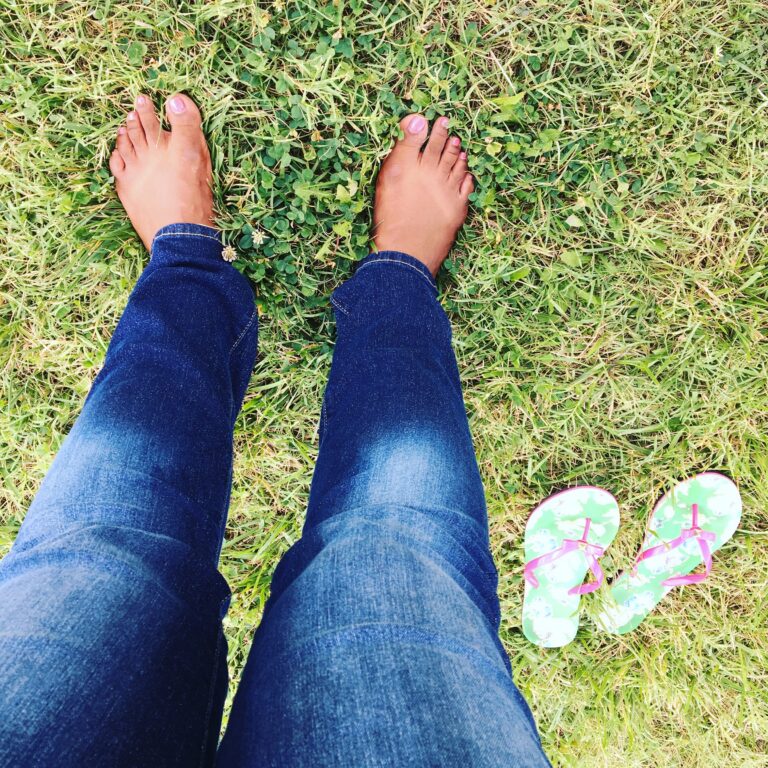
Good shoes and simple travel gear from my Amazon travel shop can make walking days easier.
The wisdom of walking slowly
Walking is a form of listening. A city speaks differently when I slow down enough to hear my own footsteps.
The body knows before the map does
My body often knows whether a city welcomes walking before my mind can explain why. Do I feel safe crossing the street? Can I find shade? Are there places to sit? Do storefronts invite curiosity? Are sidewalks treated like public space or leftover space?
Those details shape the whole experience. A walkable city feels more generous because it gives people choices. It lets me move slowly, stop when I want, and follow interest instead of traffic.
Walking makes inequality visible
Walking also shows what cars hide. Broken sidewalks, lack of shade, hostile intersections, and neighborhoods cut off by highways all become clear when I am on foot. Beauty and neglect often sit closer together than a tourist map admits.
That is why walking is not only romantic to me. It is revealing. It shows how a city treats bodies, especially the bodies of elders, children, disabled people, workers, and women moving alone.
You might also enjoy DG Speaks Travel, DG Speaks Food, and DG Speaks Culture.