The Winter Table That Helps Me Remember
Winter changes the way I understand a table.
During warmer months, meals can scatter. People eat outdoors, on the move, between plans, or wherever the day happens to carry them. Once the light fades earlier and cold settles around the house, the table begins to feel more central.
Steam rises from bowls. Heavy dishes return to the rotation. Someone reaches for the same serving spoon that has appeared through several seasons of family life.
A winter table does more than hold dinner. It gathers memory, appetite, labor, absence, and the quiet desire to feel connected when the world outside seems less generous.
The Light Changes Before the Menu Does
I often notice winter through light before I notice it through temperature.
The afternoon begins disappearing too soon. By the time dinner arrives, the windows have already turned reflective, returning the room to itself.
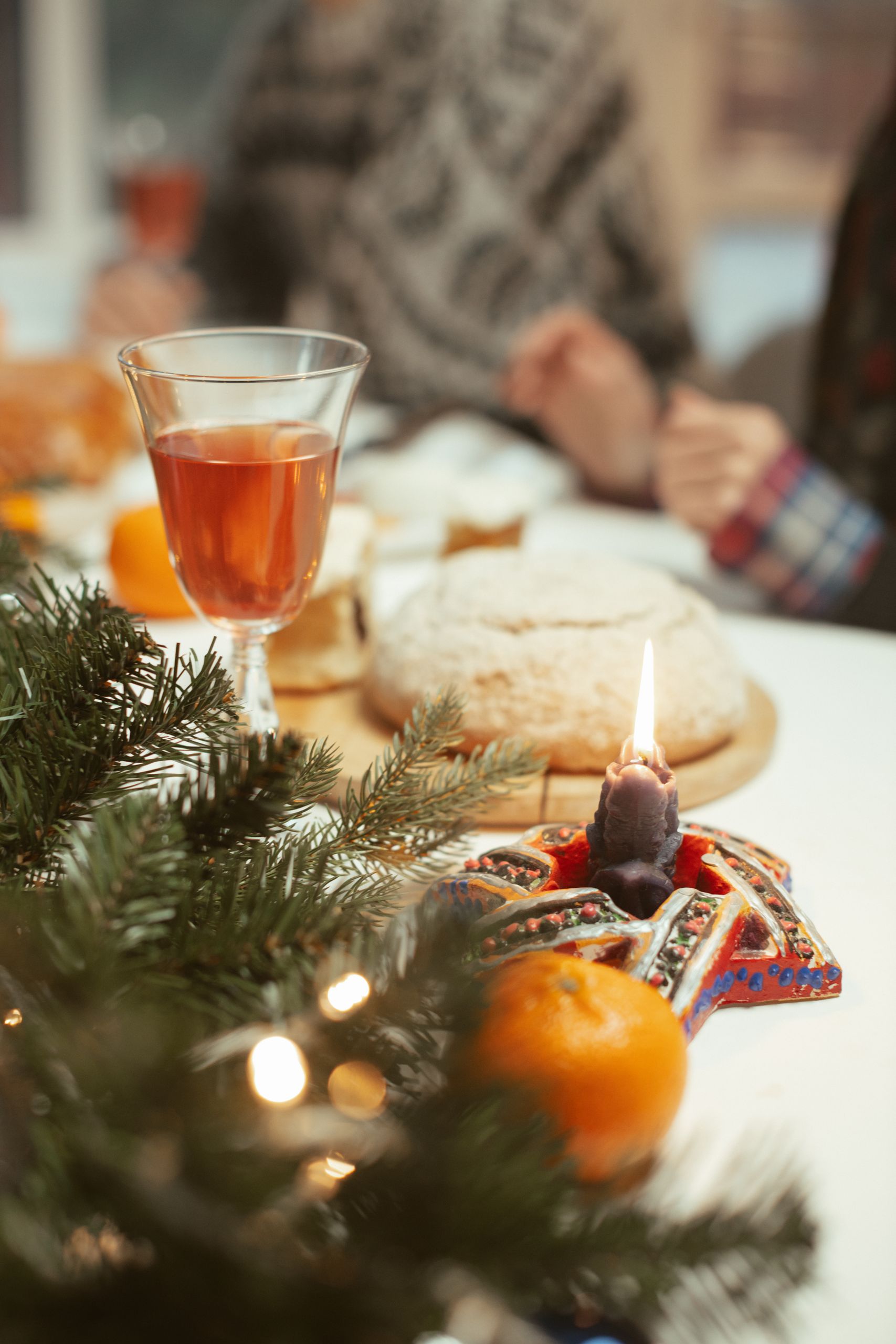
That darkness changes the atmosphere around food. Lamps feel warmer. Candles seem less decorative and more necessary. A pot simmering on the stove creates both aroma and expectation.
The menu eventually follows. Soup, beans, stew, roasted vegetables, rice, braised meat, greens, and baked dishes begin making more sense than foods designed for heat and speed.
Cold weather does not create the need for connection, but it can make that need easier to recognize.
The Same Dishes Return for a Reason
Winter food often repeats itself.
The same soup returns. A familiar pot of beans appears again, while one particular roast, cake, or casserole becomes connected to the season whether anyone planned that association or not.
Repetition may sound uncreative, but it can become a form of continuity. A dish does not need to surprise me every year to remain meaningful.
This is part of why food memories continue following us home. Taste carries context. I remember the kitchen, the weather, the voices nearby, and the person who knew how the dish should look before anyone else understood it was ready.
The recipe becomes a route back to a room that may no longer exist in the same form.
Memory Lives in the Smallest Details
Food memory is rarely limited to ingredients.
I remember serving bowls, tablecloths, chipped plates, and the sound of utensils touching the bottom of a pot. Someone always preferred the corner piece, while another person added seasoning before tasting.
Those details may seem unimportant while they are happening. Later, they become the parts I miss most.
A winter table can preserve ordinary behavior better than formal photographs. It remembers who arrived late, who always sat in the same chair, and who quietly packed food for someone who could not attend.
The emotional weight often lives between the plates rather than on them.
The Table Knows Who Is Missing
Winter gatherings can feel joyful and tender at the same time.
A familiar dish may return even when the person associated with it is gone. The recipe continues, but the room sounds different.
Absence does not always announce itself dramatically. Sometimes, it appears through an empty chair, a smaller pot, or the realization that nobody else remembers exactly how much of one ingredient was used.
I do not want to force grief into gratitude before it is ready. A table may hold appreciation for what existed and sadness that it cannot be recreated.
Both belong there.
Inherited Recipes Are Often Incomplete
Family recipes do not always arrive as careful instructions.
Someone cooked by sight, touch, smell, and repetition. Measurements were approximate because experience had replaced the need for exact language.
Later, another person tries to reproduce the dish from fragments: a list of ingredients, one remembered conversation, and the knowledge that the texture still feels wrong.
That difficulty reveals something important. A recipe is not only information. It can also be embodied skill developed over years.
Preserving family food traditions therefore requires more than writing down ingredients. It means paying attention while the knowledge remains available.
Women Have Carried Much of This Knowledge
Women often hold the practical memory of family food.
They know who avoids a certain ingredient, which dish stretches far enough for unexpected guests, and how early the cooking must begin. They remember the substitutions made during harder years and the foods reserved for celebration.
That knowledge reflects expertise, but it also reflects labor.
My writing about women leading change across food systems belongs in this conversation because women’s food knowledge extends from homes to farms, markets, businesses, and institutions.
Respecting that knowledge means more than complimenting the meal. It also means sharing the shopping, preparation, serving, and cleanup that allow the tradition to continue.
Warmth Is Produced by Someone
A warm room can feel effortless to the people entering it.
The food is ready, the table has been cleared, and extra chairs appear as needed. Yet someone planned, purchased, chopped, stirred, checked the heat, and adjusted the timing.
Winter hospitality often depends on invisible coordination.
A meaningful gathering should not require one person to remain on her feet while everyone else experiences comfort. Guests can bring dishes, carry plates, refill drinks, store leftovers, and clean the cookware afterward.
Warmth becomes more honest when the labor behind it is shared.
A Large Pot Can Offer Practical Generosity
Winter foods often lend themselves to communal cooking.
Soup, chili, curry, beans, gumbo, and stew can feed several people from one vessel. A large dish also makes room for second servings and food packed for later.
That generosity does not come from culinary magic. The cook must still calculate ingredients, time, fuel, storage, and the number of people expected.
Stretching a meal can demonstrate skill. However, I do not want to romanticize households being forced to make too little feed too many people.
Enough food should not depend on one woman performing miracles with an inadequate grocery budget.
The Pantry Helps Winter Feel Possible
Winter cooking often depends on what can wait.
Beans, rice, grains, canned vegetables, broth, spices, and frozen foods create a foundation before anyone decides what dinner will become.
The lessons in the pantry after the holidays remain useful throughout the colder months. A well-used pantry can reduce waste, support the budget, and make a warm meal possible without another rushed trip to the store.
Stored food does not need to feel like a lesser substitute for freshness. It represents planning, preservation, and another form of seasonal intelligence.
Meat Can Support the Meal Without Defining It
Winter meals often feature roasted, braised, or slow-cooked meat.
When meat fits the menu, ingredients from ButcherBox may support a meal planned at home.
Still, meat does not need to dominate every plate. A smaller amount can flavor beans, greens, soup, or stew while vegetables and grains carry equal importance.
The most memorable part of the meal may not be the most expensive ingredient. It may be the broth, bread, seasoning, or way everything came together after several hours.
Kitchen Tools Can Carry Their Own History
Objects sometimes become part of the family food story.
A Dutch oven darkens with use. A wooden spoon wears smooth at the handle, while one pan becomes associated with a specific dish.
Useful tools from my Amazon shop may help make cooking easier, but no new purchase can manufacture the history that develops through repeated use.
A tool gains meaning because someone kept reaching for it.
Eventually, the object becomes connected to the hands that used it, the meals it helped produce, and the people who gathered nearby.
The Winter Table Does Not Need to Be Beautiful
Seasonal images often present winter tables as perfectly styled scenes.
Every candle matches. The linens remain spotless, while the food arrives in coordinated dishes without evidence of the work behind it.
Real tables rarely behave so well.
There may be mismatched bowls, mail temporarily moved from one end, and a pot placed directly on a folded towel. Someone may eat early, arrive late, or take a plate into another room.
Meaning does not require visual perfection.
A table succeeds when people can eat, settle, and feel considered.
Not Every Family Table Feels Safe
Family food carries warmth, but family gatherings are not automatically comforting.
A table can also hold criticism, old conflicts, exclusion, and pressure to perform a version of oneself that no longer fits.
Some people approach seasonal meals with anxiety rather than anticipation. Others choose smaller gatherings, friendships, solitude, or new traditions because inherited ones caused harm.
That choice does not represent a failure to value family.
Sometimes, creating a safer winter table means changing who receives a seat.
Friends Can Become Part of the Tradition
Chosen family often enters through food.
A friend brings a dish from her own childhood. Someone introduces a new dessert, seasoning, or way of setting the table. Over time, the gathering develops traditions that belong specifically to the people present.
These meals prove that tradition does not need to be ancient to become meaningful.
Repetition creates its own history. A dish served for the third year may already carry enough memory to feel necessary.
Solitude Can Have a Winter Table Too
A winter meal does not lose value because only one person eats it.
I can prepare soup, use a real bowl, sit at the table, and allow the meal to mark the evening. A small candle or favorite plate can create warmth without turning solitude into a performance.
The reflection in Dinner for One Is Still a Table applies here. Eating alone does not make nourishment less deserving of care.
A quiet meal may offer rest that a crowded gathering cannot provide.
Recipes Change Because Families Change
Tradition often survives through adaptation.
Health needs change. Ingredients become unavailable, families move, budgets shift, and younger cooks develop different tastes.
A recipe may become less salty, more plant-based, easier to prepare, or influenced by another culture brought into the family.
Change does not automatically disrespect the original. It may be the reason the dish continues at all.
Tradition remains alive when people can use it rather than merely protect it.
The Table Can Hold More Than Nostalgia
It is easy to view winter food only through memory.
However, the table also belongs to the present. New relationships form there. Children taste something for the first time, while adults discover they no longer enjoy a dish they once loved.
The meal creates tomorrow’s memories while honoring yesterday’s.
I want to leave enough room for both.
What the Winter Table Remembers
A winter table remembers through repetition.
It remembers the dishes that return, the hands that prepared them, and the chairs that once held people who are no longer present. It also records new guests, changed recipes, stronger boundaries, and traditions still becoming themselves.
Food cannot restore every room exactly as it was. Nor should it have to.
What it can do is give memory a physical form. A familiar aroma reaches the doorway. Someone passes a bowl. Another person recognizes the taste before anyone explains where it came from.
Winter asks for warmth, but warmth is never only temperature.
It is the decision to prepare enough, make space, notice who has not eaten, and ensure the person who cooked receives a place at the table too.
Memory may be the emotional centerpiece, but care is what keeps the meal alive.
For more stories about family recipes, kitchen labor, seasonal food, and the memories carried through everyday meals, explore DG Speaks Food.