Dinner for One Is Still a Table
There was a time when dining alone felt like waiting.
I would sit at the table with the sense that the real meal required company. Eating by myself seemed practical rather than celebratory, something to finish before returning to the rest of life.
Now I understand dinner for one differently. A table does not become meaningful only after another person arrives. My own presence is enough reason to cook, order well, sit down, and taste the food.
Solo Dining Does Not Need an Explanation
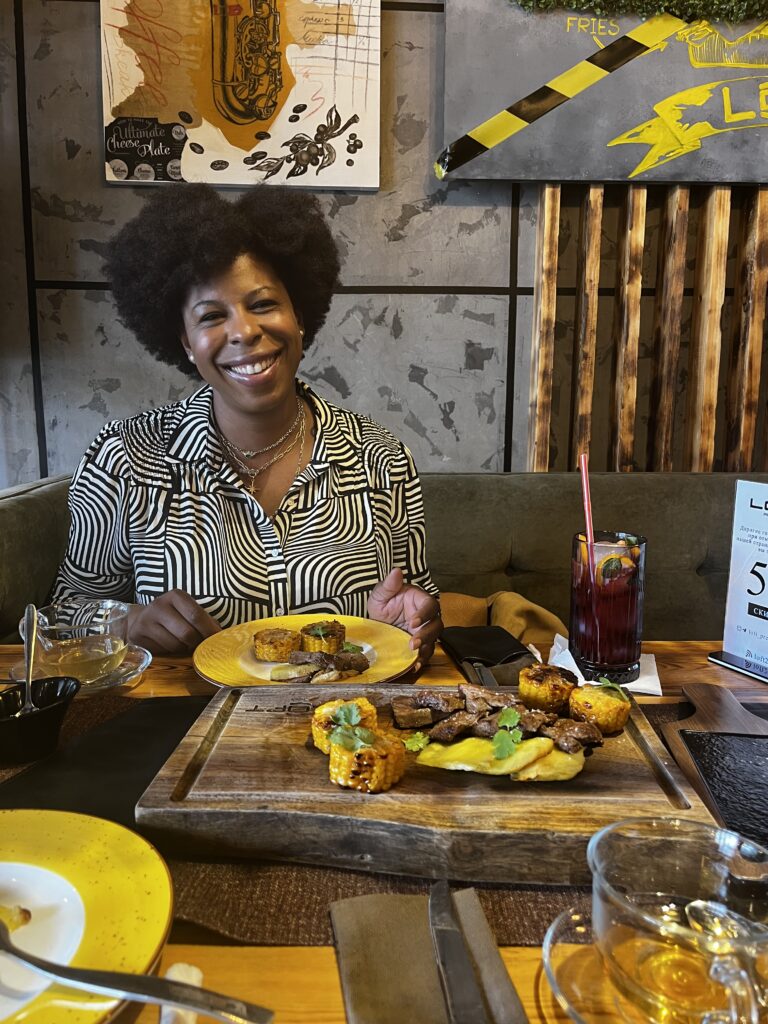
Restaurants sometimes treat a woman alone as an unfinished reservation.
Hosts ask whether someone else is coming, offer the smallest table, or assume I want to leave quickly. Good hospitality does the opposite. It gives me a comfortable seat and allows me to decide how long the meal should last.
This is part of why local restaurants teach me how a city feels. Service reveals who an establishment imagines as a legitimate guest.
Eating Alone Creates Another Kind of Attention
Without conversation, I notice more.
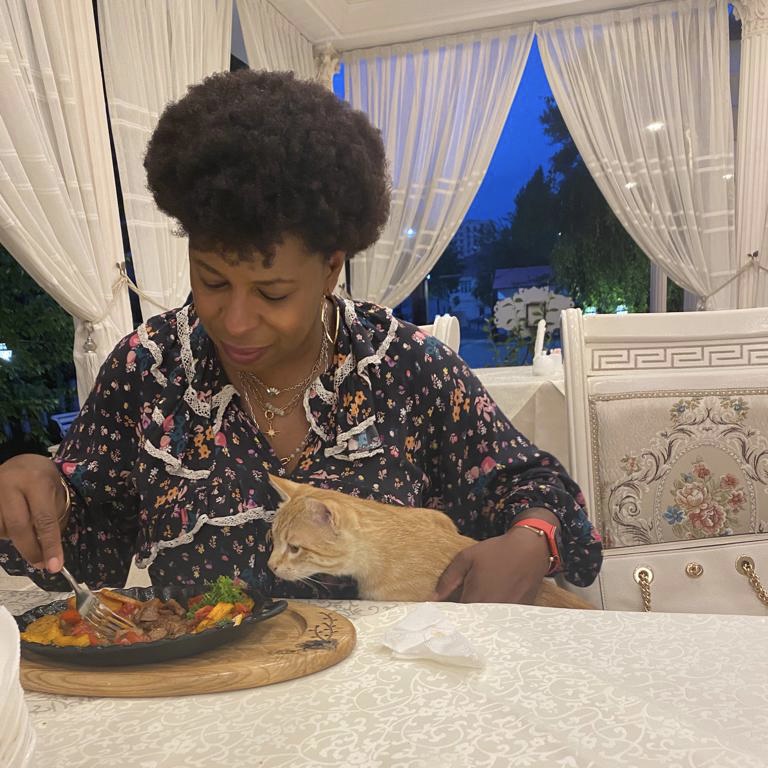
I hear the room, watch the pace of service, and taste the food before discussing it. The experience can feel intimate rather than lonely.
Of course, solitude changes according to circumstance. A chosen meal alone differs from isolation I did not want. Both deserve honesty.
Home Meals Deserve Care Too
Cooking for one can seem inefficient. Recipes produce too much, ingredients spoil, and the cleanup feels large compared with one plate.
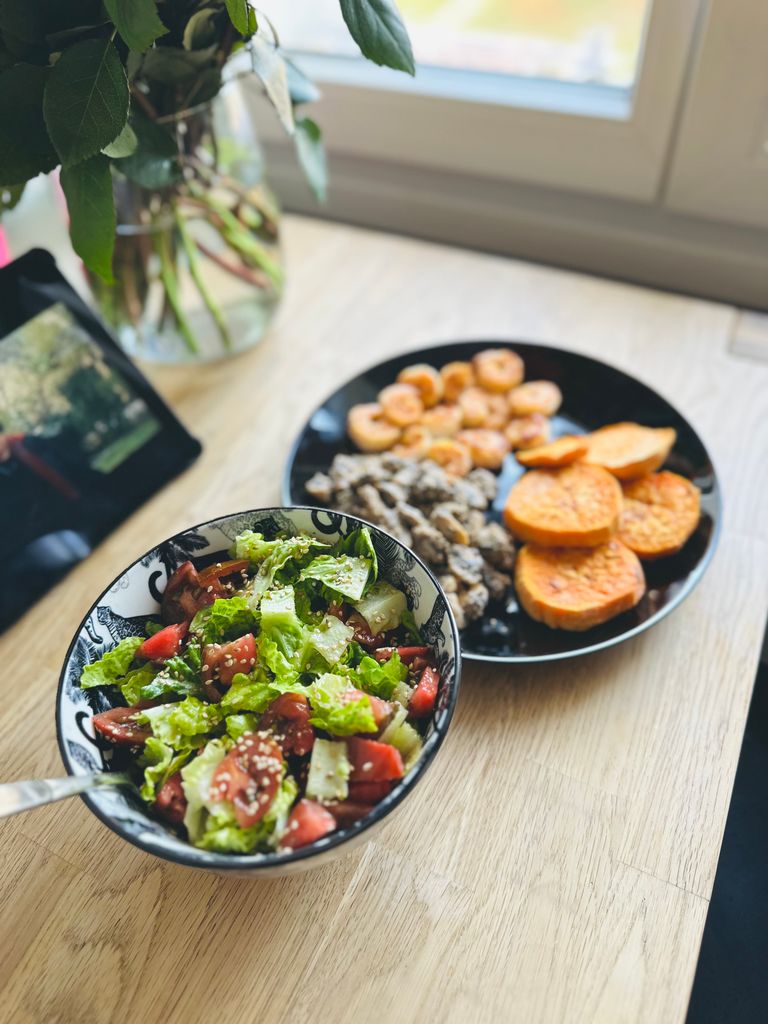
Flexible cooking helps. I can prepare components that work across several meals or freeze portions before I become tired of them.
A bowl, good plate, or cloth napkin can make the meal feel intentional without creating extra performance.
Women Are Often Taught to Reserve Effort for Others
Many women learn to cook beautifully for guests and feed ourselves whatever remains.
That pattern sends a message about whose appetite deserves attention. Caring for myself should not require an audience.
My writing on women, rest, and softness applies to food as well. Ease can be part of nourishment.
Convenience Can Be Thoughtful
A solo dinner does not need to prove domestic skill.
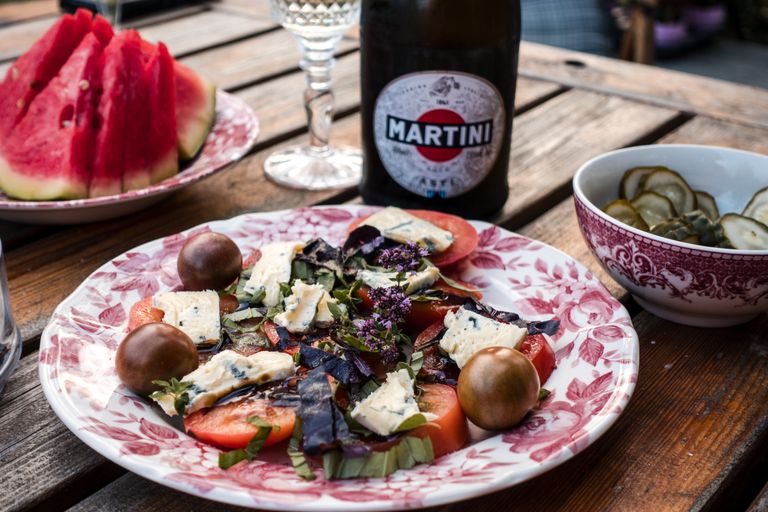
Prepared food, takeout, leftovers, or a simple breakfast plate may serve the evening better than an ambitious recipe. The best choice responds to energy, budget, and desire.
Care can look like cooking slowly. It can also look like refusing to exhaust myself before I eat.
Travel Makes Solo Meals More Visible
While traveling alone, meals become daily negotiations with public space.
A guided food experience through GetYourGuide may add company and cultural context. On another night, I may want a quiet table near my accommodation.
Both choices belong to solo travel. Independence includes the freedom to seek connection or protect solitude.
The Table Does Not Need to Be Full
Dinner for one can hold pleasure, reflection, hunger, and ordinary care.
I may share photographs or keep the meal private. I might order dessert, read, write, or simply sit without filling the silence.
The table is not waiting for my life to begin. I have already arrived, and I am allowed to eat accordingly.
Explore more stories about food, memory, and the everyday meaning of meals through DG Speaks Food.