Black Women Deserve a Life With Room to Exhale
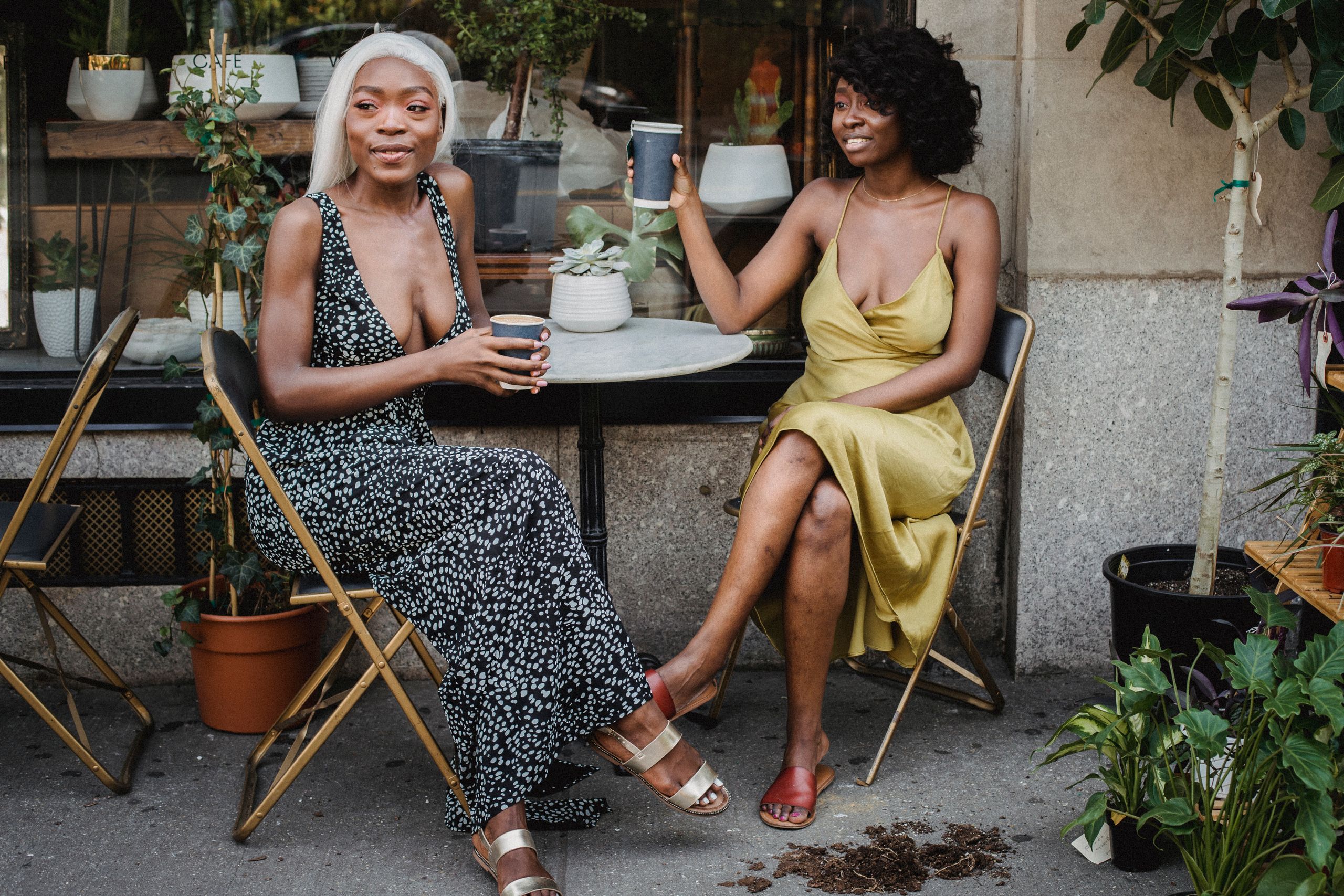
I remember sitting outside one afternoon with nowhere urgent to be. My coffee had gone slightly cool, sunlight moved across the table, and the world continued without requiring anything from me for a few quiet minutes.
At first, I felt restless.
My mind searched for a task. I checked the time, thought about unfinished work, and nearly reached for my phone simply to make the stillness feel productive.
Then I stopped.
Nothing needed fixing. No one needed an answer. The moment did not have to become content, preparation, or proof that I had used the afternoon well.
I could sit there because I wanted to.
I believe deeply in Black women’s leisure. Not as a trend, a luxury-brand phrase, or a reward for extraordinary endurance. I believe in it as a right.
Rest Without Permission
Black women receive endless praise for surviving conditions that should have changed long ago.
People celebrate our strength, resilience, resourcefulness, and ability to keep moving. Those compliments may sound affirming, yet they can quietly reinforce the expectation that we will continue carrying what other people refuse to address.
Strength becomes an identity we are not allowed to put down.
Rest interrupts that expectation. A Black woman who closes the laptop, declines another responsibility, or spends an afternoon doing very little refuses the idea that her value depends on constant labor.
She does not need permission to pause.
Exhaustion should not serve as proof of commitment, goodness, or ambition. A body does not need to reach collapse before it deserves care.
Joy Is Not a Side Note
Public conversations about Black women often center hardship.
Our stories become examples of discrimination, struggle, resilience, survival, or triumph over impossible conditions. Those realities matter, and telling the truth about them remains necessary.
Still, hardship cannot become the only lens through which people understand us.
Our laughter matters. So do travel, friendship, beauty, flirtation, long meals, naps, hobbies, music, pleasure, and mornings that begin without dread.
This connects with my reflections on why Black women storytellers deserve more than temporary attention. Our full humanity cannot fit inside narratives that notice us only when we educate, endure, or inspire.
Joy belongs in the record too.
Leisure Is More Than Recovery
Rest often gets framed as a tool for becoming productive again.
Take the nap so you can return to work sharper. Book the trip so you can come home refreshed. Practice self-care so you can continue meeting every demand placed upon you.
That reasoning still centers labor.
Leisure deserves value even when it produces nothing afterward. A slow morning does not need to improve my performance. A beautiful trip does not have to make me more efficient, creative, or useful.
Pleasure can stand on its own.
Sometimes I want to rest because rest feels good. Sometimes I want to wander through a city, eat something delicious, or sit beside water without turning the experience into personal development.
My life does not need to become a workplace that occasionally schedules maintenance.
The Politics of Being Unbothered
A Black woman resting in public can still feel like a statement.
People often expect us to monitor the room, anticipate problems, care for others, and remain prepared to respond. Even during leisure, vigilance may follow us.
We consider safety, tone, appearance, cost, and whether someone will treat our presence as suspicious or out of place. Relaxation becomes difficult when the body has learned that attention may shift without warning.
Choosing ease does not erase those realities.
Still, there is power in claiming the chair, the beach, the hotel lobby, the museum bench, or the café table without apologizing for taking up space.
I do not have to look busy to justify my presence. Nor must I perform gratitude so intensely that everyone around me feels reassured.
Sometimes being unbothered means allowing myself to exist without explaining why I belong there.
Softness Does Not Cancel Discernment
Softness can sound dangerous when life has rewarded vigilance.
Many Black women learn to notice changes in tone, read hidden expectations, and prepare for situations before they become openly hostile. Those skills protect us.
Letting myself relax does not require abandoning judgment.
I can choose comfort while maintaining boundaries. Trust can grow slowly, and pleasure can coexist with attention.
My reflections on why women’s rest and softness are not surrender come from this distinction. Softness does not mean becoming careless, passive, or easy to exploit.
It means refusing to let danger define every hour, including the ones when nothing is wrong.
Leisure Requires Time, Money, and Access
Conversations about rest can become shallow when they ignore material conditions.
Not every woman can take a spontaneous trip, leave work early, hire help, or create uninterrupted time at home. Wages, caregiving, disability, housing, transportation, and job security shape who gets to rest and how.
A luxurious retreat may offer one version of leisure. So can sitting in a public park, visiting a free museum, sharing dinner with friends, or protecting one quiet hour after work.
Neither personal discipline nor positive thinking can solve every structural barrier.
Employers, families, institutions, and public systems also determine whether people have room to breathe. Paid leave, predictable schedules, affordable childcare, accessible public space, and safe transportation all support leisure.
Rest becomes more just when society stops treating it as something only wealth can purchase.
Travel Can Create Space, but It Cannot Create Permission
Travel often helps me step outside routines that make constant work feel normal.
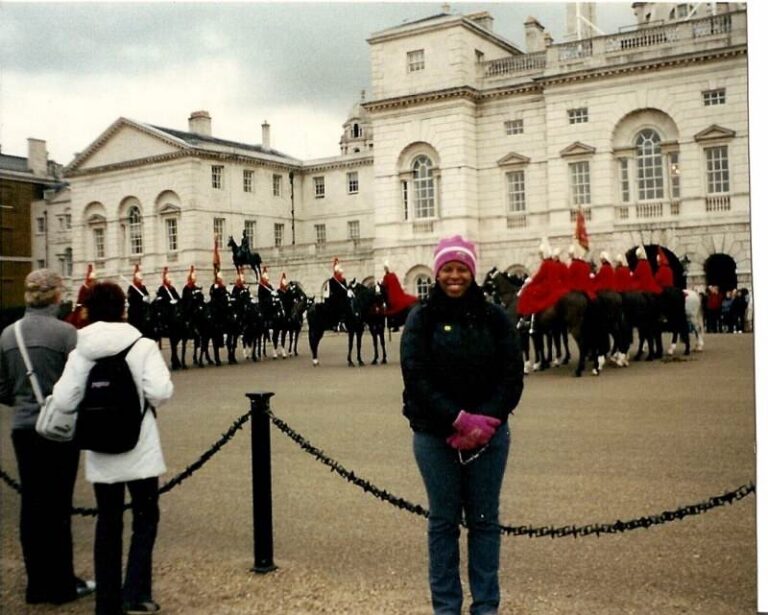
A new place interrupts familiar obligations. Walking through an unfamiliar neighborhood, lingering over a meal, or spending an afternoon in a museum gives me permission to move differently.
Experiences available through GetYourGuide can support those days when I want local context without planning every detail myself. Budget-friendly stays through Hostelworld may also make a longer, slower trip more accessible.
Travel can create distance from routine, but the destination cannot grant what I still deny myself.
I can bring overwork into a beautiful hotel. A packed itinerary can turn a vacation into another list of obligations.
Leisure begins when I stop treating every hour as something that must prove its worth.
A Quiet Mind May Need Practice
Slowing the schedule does not always quiet the mind.
I may sit down physically while mentally reviewing unfinished work, future problems, and responsibilities waiting beyond the moment. Rest can feel uncomfortable when urgency has become familiar.
Small practices help me make the transition.
A walk, a warm drink, a few slower breaths, or time away from my phone can signal that I do not need to respond immediately. Guided meditations and relaxation resources through Calm may also help create enough distance from the noise to notice what my body needs.
The goal is not to perfect relaxation.
I want to become less suspicious of peace when it arrives.
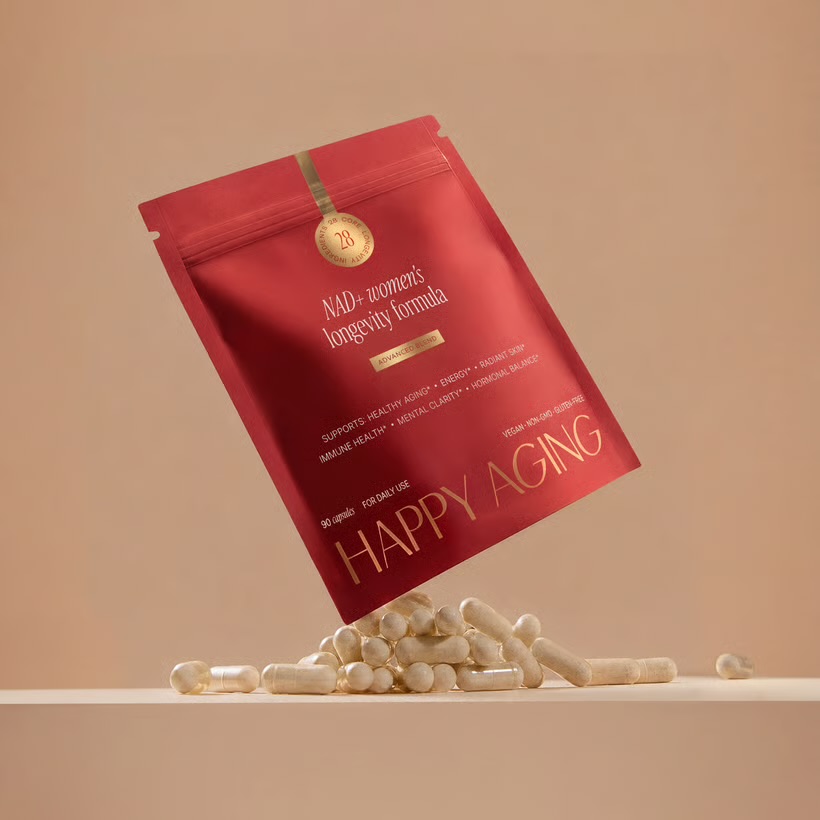
A DG Speaks Recommendation
I want more years with enough energy to explore and enough wisdom to rest without guilt
I partnered with Happy Aging to share products that support energy, vitality, and a life with more room for pleasure, movement, and meaningful rest.
Leisure Does Not Need to Look Luxurious
Social media often presents Black women’s leisure through luxury travel, beautiful robes, spa treatments, elaborate meals, and carefully styled spaces.
I enjoy beauty and comfort. Black women deserve access to luxury without having our presence treated as unusual.
Still, leisure cannot depend on creating a perfect image.
A nap counts. Reading on the sofa counts, and so does sitting outside with music playing while dinner cooks slowly.
Joy does not become more legitimate because it photographs well.
Sometimes the most restorative pleasure looks ordinary from the outside. Its value lies in how fully I can inhabit it without turning the moment into a performance.
Community Should Protect Black Women’s Rest
Individual boundaries matter, but community practices matter too.
Families, friendships, workplaces, and organizations often rely on the same dependable woman. She plans, remembers, checks in, cooks, organizes, solves problems, and notices what everyone else missed.
Praising her strength while continuing to hand her every responsibility does not count as care.
Someone else can make the reservation, organize the gathering, bring the food, clean the kitchen, or remember the important date. Support becomes real when labor moves away from the person who always carries it.
Black women should not have to disappear before anyone notices how much depended on us.
A caring community creates room for rest before exhaustion demands it.
The Antidote Is Not Another Standard to Meet
Even leisure can become a performance.
We begin tracking whether we rested correctly, traveled beautifully, maintained the ideal routine, or created enough softness in our homes. What began as freedom turns into another measure of success.
The antidote is not mastering rest.
I do not need a perfect morning ritual or a beautifully designed sanctuary before I can exhale. Some days will feel more peaceful than others.
Rest can be interrupted. A vacation may include frustration, while a quiet afternoon may fail to produce the deep renewal I expected.
None of that means I rested incorrectly.
Leisure should loosen the pressure to perform, not introduce a new performance with softer lighting.
A Life With Room to Exhale
When I think back to that afternoon outside, I remember the moment my restlessness began to fade.
The coffee cooled. Sunlight shifted, and nothing dramatic happened.
That was the gift.
For a short time, I allowed myself to exist without solving, producing, proving, or preparing. The world kept moving, and my pause did not cause it to collapse.
Black women’s leisure matters because our humanity includes more than what we survive and what we provide.
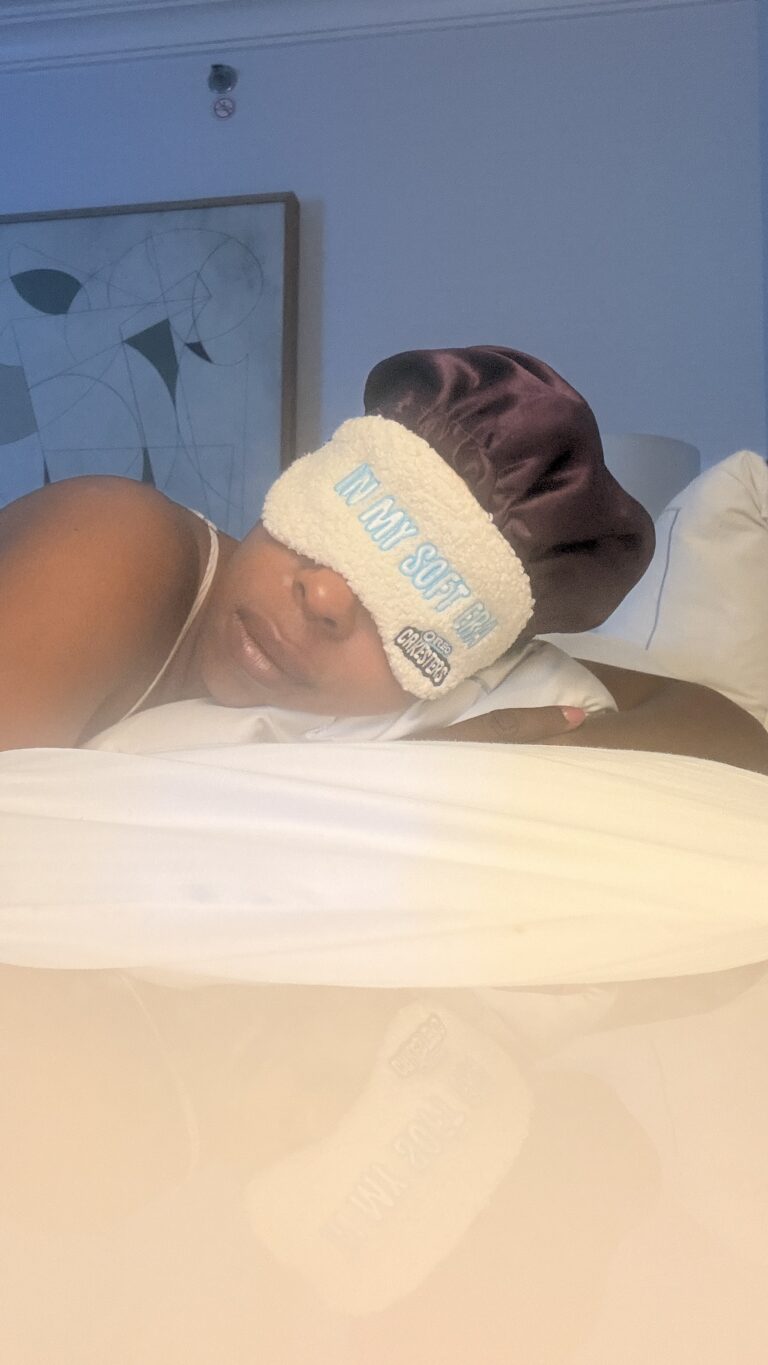
We deserve mornings without urgency, trips that do not become work, meals eaten slowly, laughter without explanation, beauty without justification, and sleep that begins before the body reaches its limit.
I want a life where pleasure does not need to arrive as compensation for pain.
Rest should not become a reward for carrying too much. Softness should