Why Fall Cooking Feels Like Coming Inside
One cool evening, I opened the kitchen window and realized the air had changed. Summer had not disappeared completely, but the heat had loosened its grip, and the first hint of autumn moved through the room.
I had apples on the counter, greens in the refrigerator, and a pot that suddenly seemed more appealing than anything I could prepare quickly. Instead of assembling something cold, I chopped onions, warmed oil, and let the kitchen fill slowly with the smell of dinner.
By the time steam clouded the window, the house felt different. The food had not only fed me. It had changed the atmosphere.
Fall cooking feels like coming inside. The kitchen grows warmer again, the appetite shifts, and food begins asking for more time.
The Kitchen Gets Warmer Again
Summer meals often help me escape the stove. I want fruit, salads, sandwiches, grilled food, and anything that requires as little heat as possible.
Autumn reverses that instinct. Turning on the oven feels comforting rather than punishing, and a simmering pot becomes part of the pleasure of being home.
The kitchen starts functioning as more than a place where I prepare food. It becomes a source of warmth, aroma, and rhythm. Chopping, stirring, tasting, and waiting help mark the transition between the activity of the day and the quieter pace of evening.
That change feels physical. Cooler weather makes me want meals with weight, texture, and enough warmth to settle the body from the inside.
The Season Changes My Appetite
Seasonal eating does not mean I follow a perfect calendar of ingredients. Grocery stores and global supply chains make many foods available throughout the year, and not every household has equal access to local or seasonal produce.
Still, the weather influences what sounds satisfying.
Roots, greens, apples, squash, beans, soups, roasts, and warm spices begin to make sense again. I want food that can simmer while I work, fill the kitchen with fragrance, and taste even better the next day.
Autumn encourages a different relationship with time. The meal may need longer in the oven, but much of that time asks very little from me. Once the ingredients are prepared, heat and patience do part of the work.
That slower process can feel generous after months of trying to keep the kitchen cool.
Roots, Greens, Apples, and Steam
Fall ingredients carry their own visual language.
Deep greens, orange squash, red apples, brown onions, pale roots, and dark beans arrive with colors that feel grounded. They look like the landscape changing outside.
I enjoy the contrast between sturdy ingredients and the softness they develop through cooking. Raw roots become tender. Greens collapse into broth, while apples release sweetness once heat breaks down their firmness.
Steam ties everything together.
It rises from pots and bowls, fogs the windows, and makes the kitchen feel occupied even when I am cooking alone. The scent moves beyond the stove and turns the entire home into part of the meal.
Food Memory Returns With the Weather
Seasonal foods rarely arrive without memory.
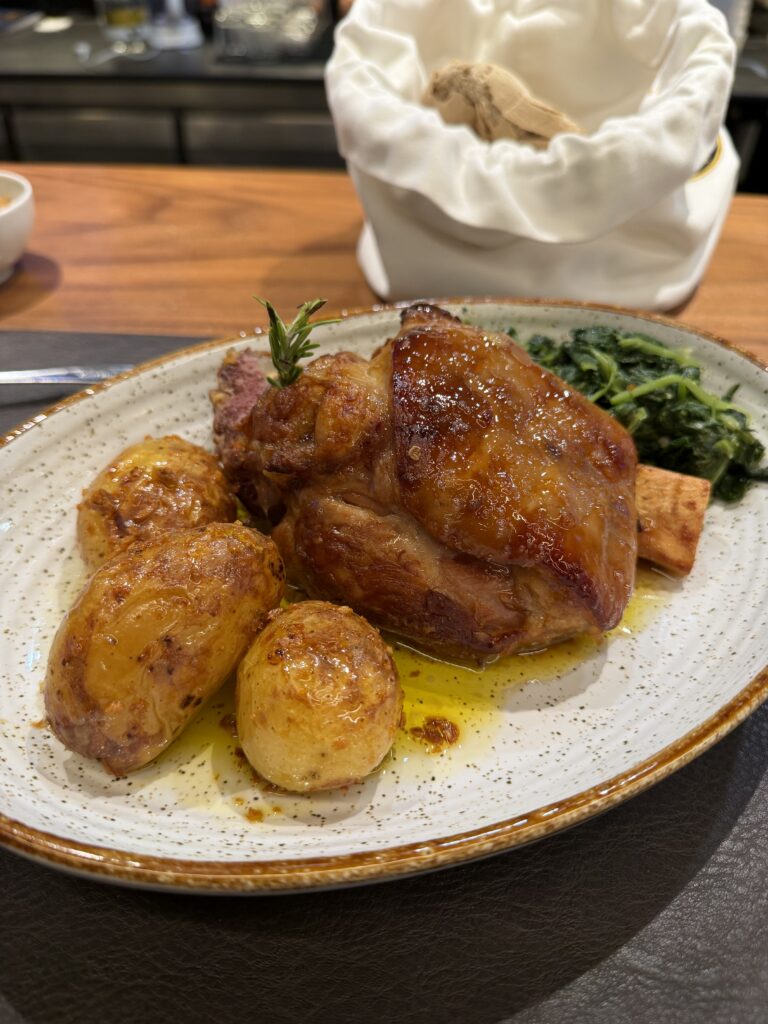
A pot of beans may remind me of one home, while baked apples, soup, or roasted meat brings back another time entirely. The association may come from family, travel, school, or a meal I began making for myself years later.
This is part of what I explore in the way food memories follow us home. Flavor carries history, but temperature and aroma do too.
I may forget the exact recipe and still remember the feeling of entering a warm kitchen after being outside in the cold. That sensation becomes part of what I try to recreate.
The meal does not need to match the past perfectly. Memory only needs one familiar doorway to enter.
Farmers Markets Tell the Season More Clearly
Grocery stores can make the seasons feel less visible. A farmers market often tells the story more directly.
The tables change as the weather shifts. Summer fruit begins disappearing, while apples, squash, sweet potatoes, greens, herbs, and late-season vegetables take their place.
That progression is one reason I value the stories worth noticing at farmers markets. Seasonal food connects the meal to weather, labor, geography, and the decisions farmers make long before anything reaches my kitchen.
Buying directly from producers does not fit every budget or location. When it is accessible, however, the market offers more than ingredients. It shows me what the land is producing now and how people are adapting to the season.
The food arrives with context.
Meals Develop a Deeper Voice
Autumn food often tastes layered rather than bright.
Roasting concentrates sweetness. Browning builds flavor, while herbs, stock, spices, and slow cooking give simple ingredients more depth.
I think of these as meals with a deeper voice. They do not need to shout for attention because time has given them complexity.
A pot of soup can begin with onions, garlic, beans, and whatever vegetables need to be used. By evening, the ingredients taste connected in a way they did not when they first entered the pot.
The transformation feels reassuring. Ordinary food becomes something that can hold the day.
Waiting Becomes Part of the Meal
Cooking culture often treats speed as the highest form of efficiency.
Quick meals matter, especially for people balancing work, caregiving, limited energy, or long commutes. Nobody should have to perform hours of labor every night to prove devotion to home cooking.
Fall meals simply remind me that waiting can also offer value when I have the time.
A roast needs to remain in the oven. Beans soften on their own schedule, while soup develops as it sits. The waiting changes my relationship to the meal because I begin anticipating it before I eat.
That anticipation becomes part of the pleasure.
I can read, work, clean, or rest while the kitchen continues producing warmth and aroma in the background.
Comfort Food Should Not Require Exhaustion
Hearty meals often arrive with a long list of invisible tasks.
Someone shops, washes produce, chops ingredients, watches the stove, sets the table, stores leftovers, and cleans the kitchen. The warmth associated with comfort food can hide the amount of labor required to create it.
I want the meal to hold the cook too.
That may mean using pre-cut vegetables, preparing one-pot dishes, buying bread instead of baking it, or asking someone else to handle cleanup. Convenience does not weaken the meaning of the meal.
Tradition also deserves examination when it depends on one woman spending the entire day in the kitchen while everyone else enjoys the result.
A comforting table should not require someone to disappear behind the labor that makes it possible.
Practical Support Makes Slow Food More Possible
Fall cooking feels easier when I keep a few dependable ingredients available.
Beans, rice, stock, onions, herbs, and root vegetables can become several different meals. When meat belongs on the menu, selections from ButcherBox may help some households plan roasts, stews, and other heartier dishes without adding another grocery trip.
The service will not suit every household. Budget, storage space, dietary preferences, and family size all shape whether bulk delivery makes sense.
Useful kitchen tools can also reduce unnecessary work. I keep practical cooking and home resources in my Amazon shop, including items that support meal preparation, storage, and everyday organization.
No appliance can create care. The right tool can make it easier to express care without draining all the energy from the person cooking.
A DG Speaks Recommendation
I want more seasons to cook slowly, gather warmly, and nourish the life I am still building
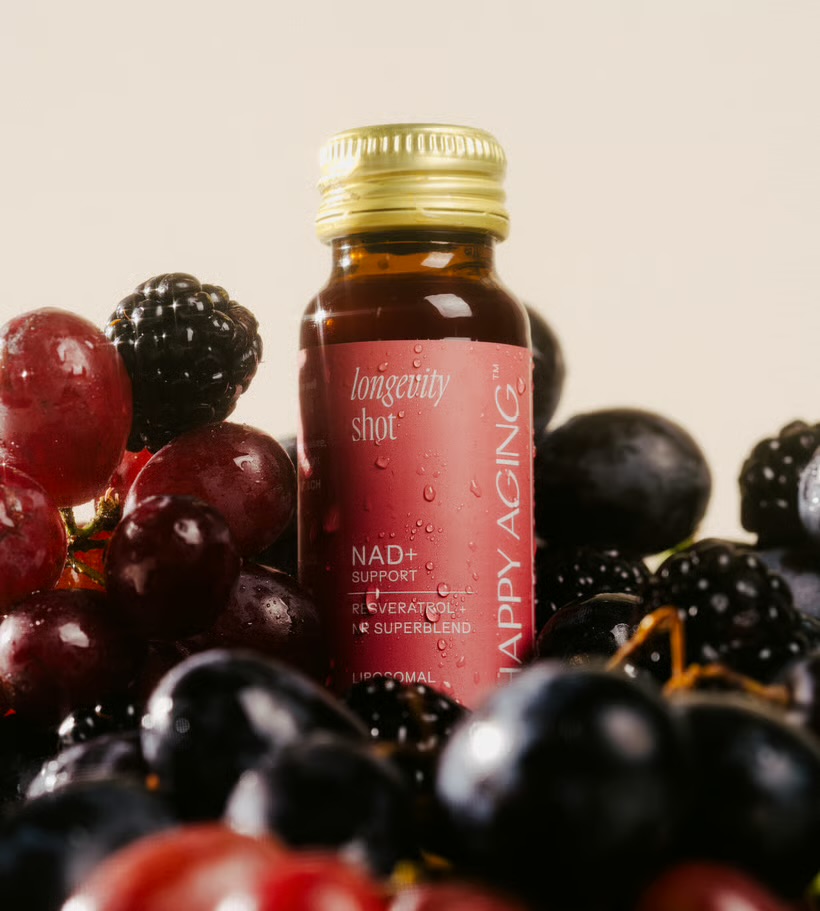
I partnered with Happy Aging to share products that support energy, vitality, and a life grounded in nourishment, movement, and meaningful connection.
Seasonal Cooking Is Not Available Equally
Conversations about seasonal food can become romantic very quickly.
They celebrate farmers markets, heirloom produce, slow meals, and beautifully stocked kitchens. Those pleasures are real, but access remains unequal.
Many households shop according to price, transportation, work schedules, storage, and what local stores carry. Fresh seasonal ingredients may still cost more than the budget allows, while cooking from scratch requires time that people do not have.
I do not want fall cooking to become another lifestyle ideal used to judge how others feed themselves.
Seasonality can inspire rather than dictate. A canned soup improved with greens, frozen vegetables added to stew, or an inexpensive bag of beans can still create warmth and nourishment.
The purpose is not to perform an idealized version of autumn. It is to make food that works within the reality of the household.
The Home Becomes Part of the Flavor
What I love most about fall cooking is how completely it enters the room.
The smell travels beyond the kitchen. Warmth gathers near the oven, and the sound of something simmering makes the house feel active without becoming loud.
Even before anyone sits down, the meal has begun shaping the evening.
That atmosphere becomes part of the flavor. A bowl of soup tastes different when held in cold hands. Bread feels more satisfying after coming in from wind or rain.
Food always interacts with setting.
Autumn makes that relationship harder to ignore because the contrast between outside and inside becomes so clear.
What the Season Asks Me to Make
When I remember that first cool evening, I do not recall the meal as particularly elaborate. It was built from familiar ingredients and cooked in a pot I had used many times before.
What stayed with me was the return.
The kitchen had become warm again. Steam rose, the windows fogged, and the smell of onions and herbs settled into the house as though the season had announced itself through dinner.
Fall cooking asks me to slow down enough to let food transform. Roots soften, greens deepen, and ordinary ingredients become a meal capable of holding more than hunger.
The season changes my appetite, but it also changes the kind of care I want to create.
I want food that can sit at the center of a table. I want enough for tomorrow, a pot that welcomes another serving, and a kitchen that feels warmer because someone took the time to cook.
That does not require perfection or hours of unnecessary labor.
Sometimes it means soup made from what remains in the refrigerator. Another night, it may be roasted vegetables, beans and rice, baked apples, or a hearty dish prepared partly with convenience and partly with memory.
The season asks me to make food that holds people.
I am happy to answer, as long as the meal makes room for the cook to be held too.
Continue exploring stories about seasonal eating, home cooking, food memory, and the meals that bring warmth into everyday life through DG Speaks Food.