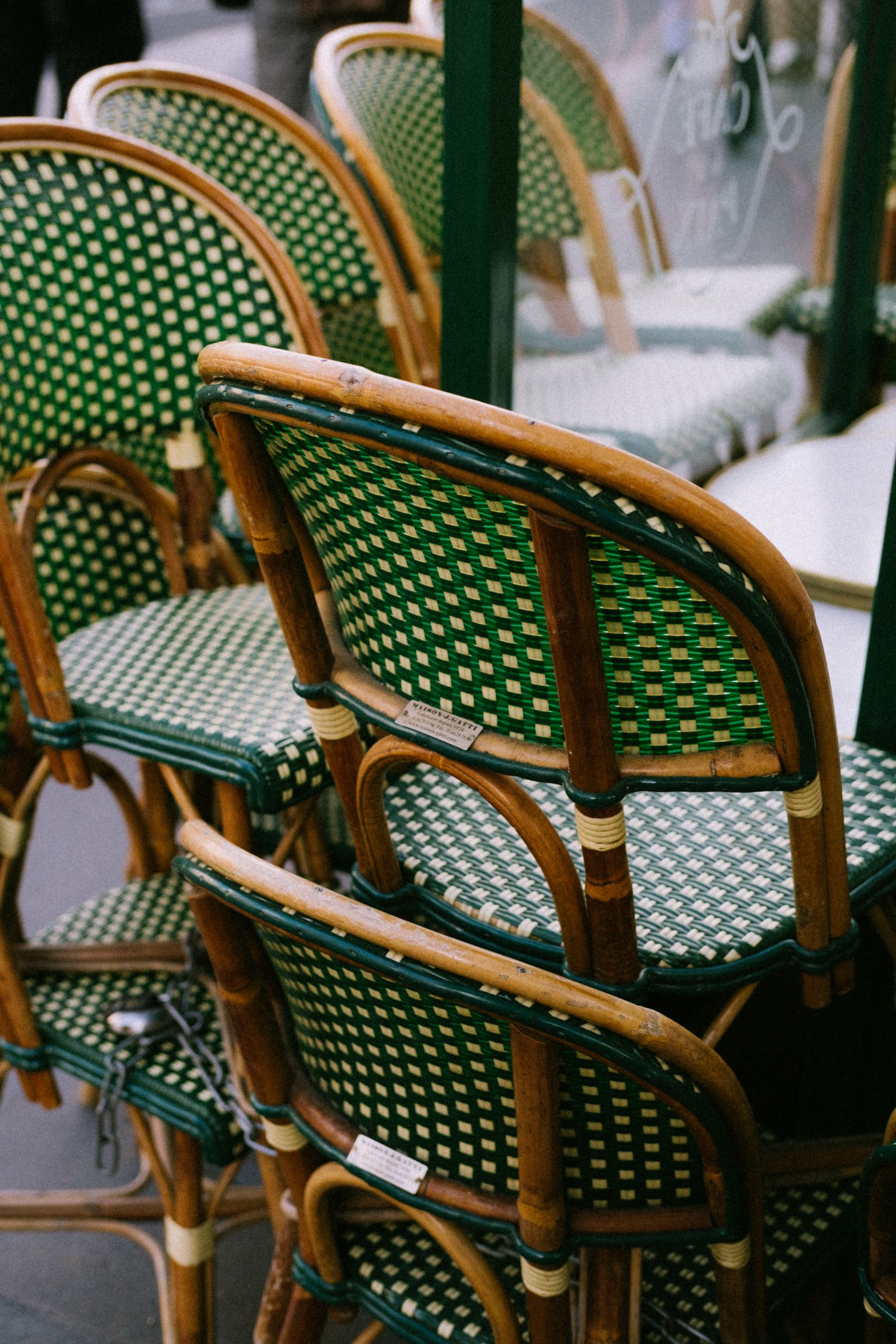
The Familiar Café That Lets Me Belong for a While
There is a particular kind of relief in walking into a café and already knowing where I want to sit. I do not need to study the room, wonder where to order, or decide whether the corner near the window will feel comfortable after an hour.
I know the sound the door makes when it opens. I recognize the person behind the counter, and even when they do not remember my exact order, the exchange feels easier because neither of us is beginning entirely from the beginning.
That familiarity may look ordinary, but it changes the way I enter the room. I settle more quickly, notice more clearly, and feel less like I am occupying borrowed space.
A familiar café can become a kind of anchor. The same chair, the same corner, the same order, or the same soft greeting can make a public room feel personal without ever becoming private property.
The Seat That Knows My Shape
The chair itself is rarely remarkable. It may wobble slightly, sit too close to an outlet, or offer a view that nobody else would consider special.
What matters is the return.
I have sat there before with coffee, a notebook, a laptop, or nothing more demanding than my own thoughts. I know which hour brings the strongest sunlight and when the room becomes too busy for concentration.
That knowledge allows the body to relax. Familiarity removes a layer of decision-making, which can feel especially valuable during periods when the rest of life contains too many moving parts.
The seat seems to know my shape because I have slowly learned the shape of the room.
Coffee, Routine, and Recognition
Routine gives ordinary places emotional weight.
One visit offers an impression. Repeated visits reveal patterns: who arrives early, which neighbors greet each other, when the staff becomes rushed, and how the atmosphere changes between morning and afternoon.
Recognition may begin with something as small as eye contact. Later, someone remembers that I usually sit near the wall or asks whether I want the same drink.
Those exchanges do not necessarily become friendship, but they create continuity. A day that feels scattered gains one place where the rhythm remains recognizable.
This is part of what I mean when I write about how local restaurants teach me how a city feels. The room communicates through pace, tone, repetition, and the relationships that unfold around the tables.
A Public Place for Private Thoughts
A café gives me the unusual freedom to be alone without being isolated.
I can write, think, read, or stare through the window while remaining surrounded by the low movement of other lives. Cups touch saucers, chairs scrape the floor, and fragments of conversation create company without requiring participation.
That balance matters to me.
Home offers privacy, but it can also hold distractions, chores, and the emotional weight of whatever waits there. A public room provides a temporary boundary around thought.
I am visible enough to feel connected and anonymous enough to remain inside my own mind.
Cafés Become Informal Writing Rooms
Many of my ideas become clearer when I write around other people.
The quiet activity of a café can create momentum. Someone answers emails at the next table, another person studies, and two friends hold a conversation that rises and falls without demanding my attention.
That environment reminds me that creative work belongs to ordinary life. Writing does not always need a perfect office, an empty room, or a dramatic burst of inspiration.
It can begin beside a cooling cup of coffee while the room changes around me.
This connects with my reflections on why independent voices need room in digital storytelling. Digital work may travel widely, but the thought behind it often develops in intimate, physical spaces where observation and daily life meet.
A café can become a writing room, meeting room, and thinking room without ever formally calling itself any of those things.
Familiarity Does Not Mean Ownership
Returning often can create a feeling of belonging, but it does not give me possession of the room.
The table I prefer may already be occupied. Staff members may be busy, the menu may change, or a new policy may make the space less convenient for the way I once used it.
A familiar café remains a business and a workplace.
I try to remember that my comfort depends on other people arriving early, preparing food, cleaning tables, managing difficult customers, and maintaining the atmosphere I enjoy. Recognition should deepen respect rather than create entitlement.
Being a regular does not mean I deserve special treatment. It means I understand the room well enough to notice when staying longer, ordering more, or making space would be the considerate choice.
The Labor Behind the Soft Greeting
A warm café can make hospitality feel effortless.
Someone remembers a name, offers a kind word, or notices that a customer seems unusually quiet. Those gestures may feel personal, but they happen inside paid work that can be physically and emotionally demanding.
Service workers manage speed, safety, cleanliness, customer expectations, and the emotional tone of the room at the same time. Familiar customers can make the day easier, but they can also assume access to attention the worker does not have the energy to give.
I want to appreciate kindness without treating it as an unlimited resource.
A person behind the counter can recognize me without becoming responsible for my loneliness, my mood, or my need for conversation. Respect includes allowing warmth to remain warm without demanding that it become intimacy.
Not Everyone Can Afford to Linger
The romance of café life often assumes that people have time and money to spend in public without urgency.
A person working several jobs may not have an hour to sit over coffee. Someone with limited income may need to choose between buying a drink and meeting another essential expense.
Accessibility also shapes who can use the space comfortably. Stairs, narrow seating, loud music, limited restrooms, or rules against laptops can make a café welcoming to one person and difficult for another.
I do not want to treat café culture as universally available simply because it feels accessible to me in a particular moment.
Public life becomes richer when communities have multiple places to gather, including libraries, parks, community centers, affordable restaurants, and other spaces that do not always require a purchase.
A Familiar Café Can Reveal Neighborhood Change
Returning over time allows me to notice more than my own routine.
Prices rise. Staff members change, longtime customers disappear, and the businesses surrounding the café begin serving a different audience.
Sometimes the change reflects growth. At other times, it signals displacement.
A stylish café can become evidence that investment has reached a neighborhood, but it may also mark a shift toward rents and prices that exclude the people who created the area’s character. The room I enjoy does not exist outside those larger forces.
Paying attention means asking who still feels welcome, whose cultural influence remains visible, and whether neighborhood change expands opportunity or simply replaces one community with another.
Belonging becomes more meaningful when it includes awareness of who had to leave for the room to feel newly desirable.
Travel Helps Me Find New Rooms to Return To
While traveling, I often search for a café that can become familiar for the length of the stay.
It may begin as a convenient stop near my lodging. After a few mornings, the route becomes part of the day, and the room offers a small point of stability inside a place I am still learning.
Stays available through Hostelworld can make it easier to spend time in walkable neighborhoods where local cafés, markets, and everyday routines remain close enough to become familiar.
Guided food and cultural experiences through GetYourGuide may introduce me to a neighborhood’s history or food traditions. Returning on my own allows the first introduction to become part of a personal rhythm.
One experience provides context. Repetition helps the place settle into memory.
Familiar Rooms Can Support Community
A café can become a point of connection even when nobody arrives intending to build community.
Neighbors recognize one another. Freelancers exchange recommendations, parents pause after school drop-off, and people who live alone gain a room where their presence becomes part of the pattern.
These relationships may remain light, but light connections still matter.
Community does not consist only of deep friendship. It also grows through repeated acknowledgment, shared routines, and the knowledge that someone might notice if a familiar face stopped appearing.
A healthy neighborhood needs places where people can encounter one another without a formal invitation.
The café cannot carry that responsibility alone, but it can become one of the rooms where social life remains visible.

A DG Speaks Recommendation
I want more years to return to familiar rooms, stay curious, and remain connected to the communities around me
I partnered with Happy Aging to share products that support energy, vitality, and a life shaped by movement, connection, and everyday belonging.
Recognition Does Not Need to Become Friendship
Some relationships are meaningful because they remain modest.
The person behind the counter knows my usual order. Another regular offers a greeting, and we may exchange a brief comment about the weather or the crowded room.
Those interactions do not need to develop into deeper friendship to have value.
Modern culture sometimes treats every connection as a beginning. We network, exchange information, and search for the next opportunity inside ordinary encounters.
I appreciate relationships that ask for less.
A soft greeting can remain a soft greeting. Recognition itself can be enough to make the day feel less anonymous.
Why Familiar Rooms Matter
When I think about the cafés that have mattered to me, I rarely remember only the coffee.
I remember the chair where I finished an essay, the window that framed a street I was learning, and the quiet nod from someone who had seen me arrive several mornings in a row.
The room became meaningful through accumulation.
One visit offered a drink. Repetition created orientation, memory, and a small sense of belonging.
A familiar café gives me a public place where I can arrive without inventing myself again. I know the rhythm, understand the expectations, and feel comfortable enough to let my attention move beyond the logistics of being there.
That comfort remains temporary and shared. Other people need the chair, workers maintain the room, and the neighborhood continues changing around it.
Perhaps that is why the familiarity feels so valuable.
It does not promise permanence. It offers continuity inside a life that keeps moving.
We all need places where return means something, even when the relationship remains simple. A familiar room can hold thought, solitude, recognition, and the gentle reassurance that we have been here before.
Life asks us to introduce ourselves often.
It helps to have one door we can open without explaining everything again.
Continue exploring reflections on cafés, community, local culture, and the public rooms that help everyday life feel more connected through DG Speaks Culture.