The Food Story Hidden in a Grocery Receipt
I once stood near the grocery store exit and looked at the receipt before putting it into my bag. The total was higher than I expected, even though the cart had not felt especially full.
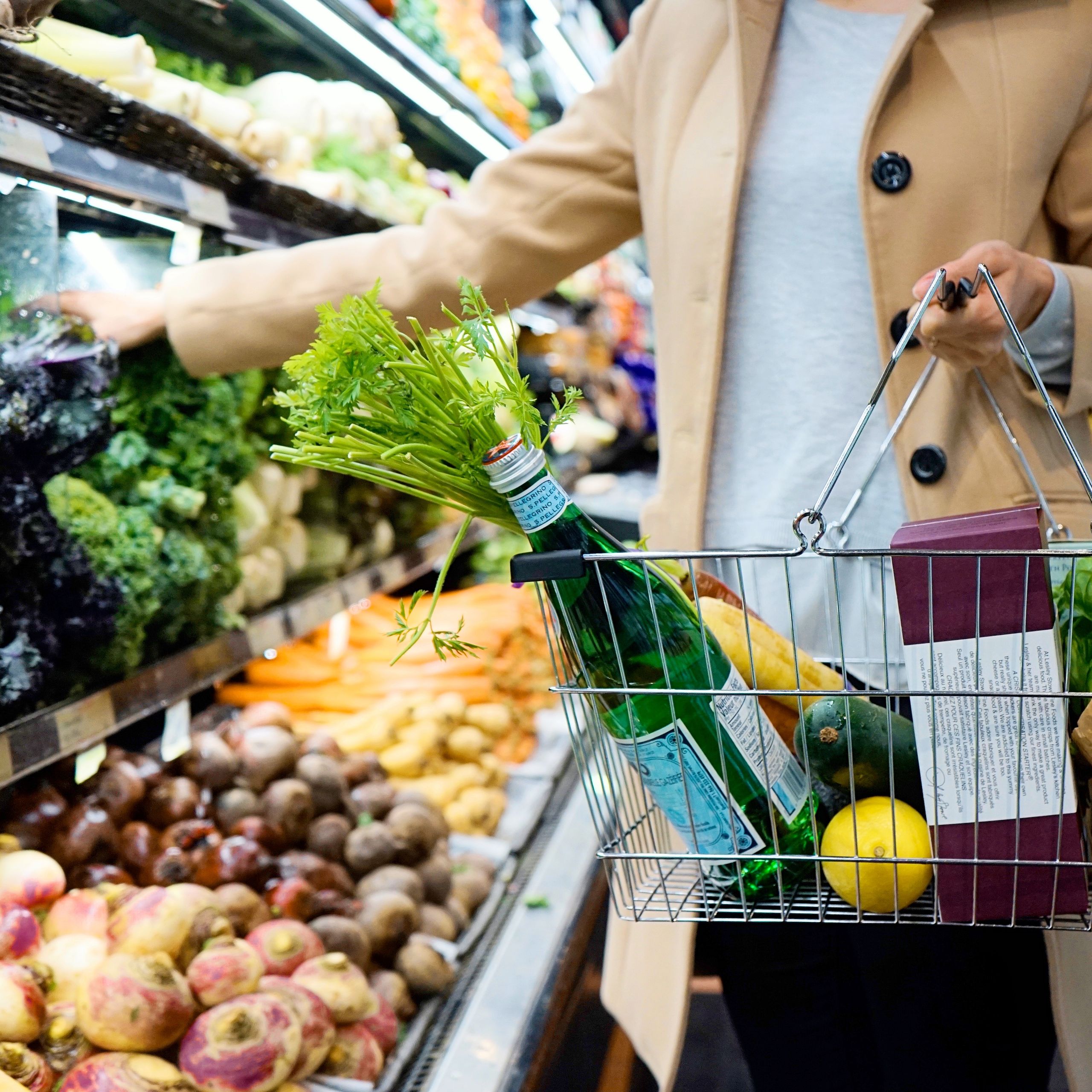
Nothing extravagant appeared on the list. I had bought eggs, fruit, coffee, vegetables, meat, a few household supplies, and something sweet that I had debated before placing it in the cart.
Several items I originally planned to buy never made it past the shelf. One cost more than I wanted to spend. Another felt optional once I began calculating the rest of the week.
By the time I reached the register, the shopping trip had become a series of quiet negotiations.
A grocery receipt can tell a story when I look at it long enough. It shows what I bought, what I skipped, what felt necessary, and which small pleasure survived the budget.
The Total at the Bottom Changes the Mood
Food prices stop feeling abstract when the total appears on the screen.
Before checkout, each item carries its own price. At the register, those individual decisions become one number that must fit within rent, transportation, utilities, medicine, childcare, and every other household need.
A higher total can change the emotional tone of the entire trip. Satisfaction gives way to calculation. I begin wondering whether I should have chosen the smaller package, skipped the berries, or replaced one ingredient with something less expensive.
For households already operating close to the edge, that final number can determine what remains possible for the rest of the week.
Food insecurity does not always look like an empty refrigerator. Sometimes it looks like a refrigerator filled through constant compromise.
Every Grocery Cart Contains Trade-Offs
Shopping advice often assumes that people make food choices through preference alone.
In reality, price, time, transportation, storage, health, cooking equipment, and household schedules all shape the cart. A person may know exactly what she wants to cook and still lack the money or time required to make it happen.
Fresh ingredients can feel affordable until several recipes require separate herbs, vegetables, sauces, and proteins. Convenience foods may cost more per serving, yet they can reduce preparation time for someone working multiple jobs or managing caregiving responsibilities.
No single shopping strategy works for every household.
The cart reflects what people can manage under their actual conditions, not the ideal circumstances imagined by someone offering advice from a distance.
A Household Appears Between the Line Items
Receipts reveal the rhythm of a home.
Rice, eggs, beans, fruit, snacks, coffee, greens, meat, milk, cleaning supplies, and paper products show how people expect to move through the week. A large package may suggest meal preparation, while several quick items can point toward long workdays or unpredictable schedules.
Children leave their own patterns in the cart. So do allergies, cultural traditions, medical needs, celebrations, and the preferences of people who refuse to eat what everyone else enjoys.
One receipt cannot explain a household completely. Still, it offers clues about care.
Someone remembered breakfast. Someone planned lunches, considered what would spoil first, and tried to balance pleasure with what the budget would allow.
Women Often Carry the Mental Cost of Feeding a Household
Food labor begins before anyone starts cooking.
Someone checks what remains in the refrigerator, remembers who will be home for dinner, tracks which staples are running low, and considers whether this week requires packed lunches or faster evening meals.
Women frequently carry that mental work even when other household members help with shopping or cooking.
My reflections on women leading change throughout food systems include the work performed inside homes. Meal planning, budgeting, shopping, cooking, and cleaning sustain daily life, yet much of that effort disappears because families treat it as ordinary care.
The grocery receipt captures the spending. It cannot show the hours of thought that came before the transaction.
Price Determines More Than What People Eat
Affordability shapes quality, variety, and choice.
When prices rise, households may buy less meat, fewer fresh ingredients, or smaller quantities of food that once felt routine. Families also stretch meals further, repeat inexpensive dishes, or rely more heavily on foods with a longer shelf life.
Those decisions do not necessarily reflect a lack of knowledge.
People often understand nutrition well while lacking the resources to act on every recommendation. Advising someone to buy more fresh produce means little when the nearest affordable store requires a long bus ride or when the food may spoil before the household has time to prepare it.
Food access includes the ability to obtain ingredients, store them safely, and turn them into meals within the limits of real life.
Farmers and Shoppers Feel the Same Price Differently
Consumers experience higher food costs at checkout. Farmers may experience the same system through rising costs for seed, feed, fuel, equipment, land, labor, packaging, and transportation.
That tension becomes visible at local markets.
A shopper may find a price difficult to afford while the farmer still struggles to cover production expenses. Both realities can exist at the same time.
This complexity shapes my interest in the stories found at farmers markets. Speaking directly with producers can reveal why certain foods cost what they do, but explanation does not erase the shopper’s budget.
Building fairer food systems requires more than asking consumers to spend responsibly. Farmers need infrastructure and fair markets, while households need adequate wages, transportation, and meaningful food assistance.
Small Pleasures Belong in the Cart Too
Budget conversations often divide food into needs and unnecessary extras.
That distinction can become harsh very quickly.
A dessert, special coffee, favorite snack, or bunch of flowers may not provide the most nutrition per dollar. It can still add pleasure to a difficult week.
People living with limited resources deserve more than the cheapest possible calories. Dignity includes flavor, cultural familiarity, celebration, and the freedom to choose something simply because it brings joy.
I do not believe every cart must become a performance of perfect financial discipline.
The small pleasure on the receipt may be the item that makes the rest of the week feel more humane.
Meal Planning Can Help Without Solving the Larger Problem
Planning meals before shopping can reduce waste and make the budget easier to manage.
I can check what I already have, identify ingredients that work across several dishes, and decide which meals need to be quick. A realistic list also protects me from buying for an imaginary week in which I cook every evening without interruption.
Still, personal organization cannot solve structural unaffordability.
A carefully planned cart will not correct low wages, unstable schedules, inadequate benefits, or the absence of affordable stores. Budgeting helps households manage pressure. It does not explain why the pressure exists.
I want food conversations that respect practical strategies without turning every systemic problem into an individual failure to plan.
Convenience Has Value When It Matches the Household
Delivery services and subscription boxes can reduce part of the work involved in meal planning.
Selections from ButcherBox may help some households keep meat available for planned meals without making another trip to the store. That convenience can support people who have adequate freezer space, a compatible budget, and the ability to receive deliveries safely.
No service works equally well for everyone.
A bulk delivery may create savings for one household and become impractical for someone with limited storage or uncertain income. Convenience always depends on context.
The useful question is not whether one option represents the best way to shop. I want to know whether it reduces stress and supports the way a particular household actually eats.

A DG Speaks Recommendation
I want more years to nourish myself well, care for my body, and remain active in the life I am building
I partnered with Happy Aging to share products that support energy, vitality, and a life grounded in nourishment, movement, and everyday well-being.
Food Assistance Should Protect Choice and Dignity
Public discussions about food assistance often focus on controlling what recipients purchase.
That scrutiny treats low-income households as though financial hardship removes their right to preference. People suddenly expect every item to satisfy someone else’s definition of necessity.
Dignified food assistance should expand access rather than deepen surveillance.
Families need enough support to buy culturally familiar foods, accommodate dietary needs, and choose items their household will actually eat. A benefit has limited value when it covers food in theory but fails to match prices in practice.
Programs also work better when stores, markets, and transportation systems make them easy to use without shame.
Access should not require people to publicly prove that they deserve to eat.
The Antidote Is Not Judging Someone Else’s Cart
Grocery carts invite assumptions.
People look at packaged foods and imagine laziness. They notice an expensive item and question whether the shopper deserves financial help, while fresh produce becomes evidence of virtue.
Those judgments ignore context.
The prepared meal may support a disabled shopper. A familiar snack could help a child with sensory needs, while the costly item may be part of a birthday celebration that the household planned for carefully.
Strangers cannot reconstruct a person’s life from several minutes in a checkout line.
The antidote to food-system frustration is not policing individual carts. Better wages, affordable stores, reliable transportation, fair agricultural policy, and accessible public benefits offer more meaningful places to direct concern.
The Receipt Shows the Economics of Care
When I looked again at that receipt near the store exit, I could see the decisions hidden inside the total.
The fruit represented breakfast. Eggs could become several meals, while coffee belonged to the morning routine that helps me begin the day.
One item had replaced something more expensive. Another remained because pleasure mattered enough to protect a little room for it.
A grocery receipt does more than record a transaction. It captures the economics of care.
Feeding people requires money, time, memory, planning, transportation, storage, cooking, and cleanup. Culture shapes what feels like food, while emotion influences what provides comfort and what a household considers worth preserving during a difficult week.
Receipts deserve attention because they show where private decisions meet public systems.
The total at the bottom reflects more than personal discipline. It carries wages, prices, agricultural policy, corporate power, transportation, geography, and the unequal distribution of time.
Someone still has to bring the food home.
Someone decides what the household can afford, what it must postpone, and which small pleasure can remain in the cart.
That work is financial, cultural, practical, and deeply emotional.
The receipt tells part of the story. The rest lives in the meals people make from what they managed to carry home.
Continue exploring stories about food access, household care, food systems, and the choices behind everyday meals through DG Speaks Food.