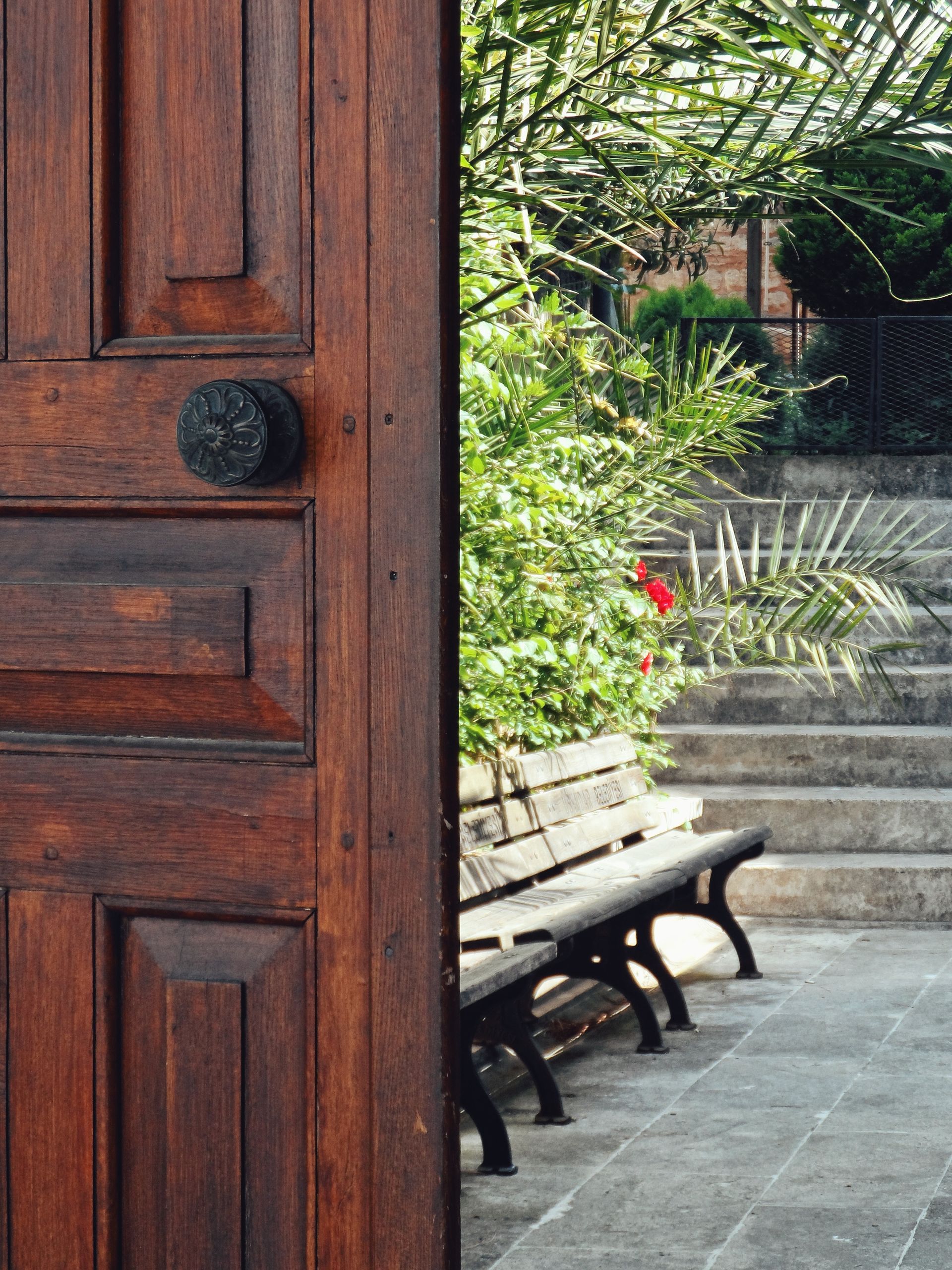
Why I Am Building a Life With More Open Doors
One afternoon, I opened my front door to someone I loved and immediately knew I did not have the energy to receive them.
I smiled anyway.
I offered something to drink, cleared a place to sit, and shifted into the familiar role of making another person comfortable. Meanwhile, part of me quietly disappeared behind the work of being welcoming.
Nothing terrible happened. The visit was pleasant enough. Yet, after the door closed, I stood in the sudden silence and felt more depleted than generous.
That moment stayed with me because I have always valued hospitality. I love creating spaces where people can exhale, eat, laugh, and feel that someone truly wanted them there. However, I am learning that welcome cannot remain healthy when it repeatedly requires me to ignore myself.
I still want an open door life. I simply do not want a life where the door never closes.
The Visit I Was Too Tired to Host
Women often learn to receive people before checking whether we have anything left to give.
We tidy the room, find an extra plate, and make ourselves available. Someone needs advice, a meal, a place to sleep, or simply a listening ear. Because we care, we make room.
Making room can feel beautiful.
Still, generosity changes when it comes from exhaustion. What begins as love can slowly turn into resentment, especially when I keep saying yes after my body has already answered no.
That afternoon showed me the difference between hospitality and self-abandonment.
I had not welcomed someone because the timing felt right. Instead, I had overridden my need for quiet because I feared disappointing them.
Kindness should not require that kind of disappearance.
I Was Raised to Make People Feel at Home
Hospitality has always carried emotional weight for me.
Food appears when people gather. Someone offers a chair before asking why you came. A visitor does not remain empty-handed, thirsty, or unsure whether they belong.
Those gestures reflect culture, family, and care.
I understand love through what people prepare for one another. A pot on the stove, clean towels, fresh sheets, or a favorite snack can communicate more than an elaborate speech.
At its best, hospitality says, “I noticed you were coming, and I made space.”
I do not want to lose that part of myself.
However, I also inherited expectations about women’s availability. The good woman welcomes, feeds, listens, and adjusts. She notices everyone else’s discomfort before anyone recognizes hers.
Eventually, care becomes a performance she cannot stop without feeling guilty.
The Door Was Open, but I Was Vanishing
There have been seasons when too many people had access to me.
They could call whenever they felt overwhelmed. Their emergencies entered my day without warning, while their need for connection became my responsibility to manage.
I told myself that this proved I was dependable.
In reality, I often felt emotionally crowded.
My thoughts had no private room. Rest kept getting interrupted, and creative work had to compete with every person who believed my time remained available.
The problem was not that people needed me.
Human beings need one another. Community depends on care moving in more than one direction.
The problem was that I had not decided where my availability ended.
An open door without a threshold eventually stops feeling like welcome. It begins to feel like invasion.
Warmth Needs Walls to Hold It
A house without walls cannot become shelter.
That image helps me think about boundaries differently.
Walls do not automatically mean rejection. They create shape, protection, and privacy. A door can open because it also has the ability to close.
My boundaries perform the same work.
They allow me to decide when I can receive people with genuine warmth. They also protect the solitude that helps me return to myself.
Without limits, generosity loses its structure.
I may keep giving, but the giving becomes increasingly brittle. My voice changes. Patience shortens, and every request starts to feel heavier than it should.
Boundaries help preserve the part of me that actually enjoys welcoming others.
The Invitation Does Not Include Every Part of Me
Letting someone into my life does not mean giving them unrestricted access.
A person may know my public stories without having a claim on every private detail. Friendship does not automatically entitle someone to immediate answers, constant availability, or entry into every emotional room.
I choose what I share.
That choice does not make the connection false. In fact, thoughtful privacy can keep relationships healthier.
Some parts of life need time before they become language. Other experiences belong only to me or to a small circle of people who have earned trust through consistency.
I used to believe openness required full disclosure.
Now, I understand that honesty and exposure are not the same thing.
I can live truthfully without placing every tender part of myself in a public hallway.
The Good Host Is Still a Person in the Room
When I host, I can become so focused on everyone else that I barely participate.
I watch plates, refill drinks, monitor moods, and anticipate what someone might need next. By the time I sit down, the conversation has moved on.
This kind of invisible labor often falls to women.
We create the atmosphere, then stand outside it making sure everything works.
I am trying to host differently.
The meal does not need to be flawless. A guest can pour their own water or carry a plate into the kitchen. Someone else can notice when more chairs are needed.
Shared responsibility does not weaken hospitality.
Instead, it allows me to exist as a whole person inside the gathering.
I want to laugh, eat, and remain present too.
A Room Where Nobody Has to Perform
The spaces I value most do not ask people to prove that they belong.
No one needs the right clothes, polished story, or impressive title. We can arrive tired, uncertain, joyful, or still figuring things out.
That is the kind of room I want to create.
Warmth does not require extravagance. A simple meal, a comfortable chair, and genuine attention can offer more care than a perfectly staged gathering.
People should feel seen without feeling examined.
They should also understand that everyone in the room deserves respect, including the person offering the welcome.
This vision connects with my reflections on how community resilience begins before a crisis. Strong communities grow through ordinary practices of inclusion, reciprocity, and trust.
We learn how to care for one another before the emergency arrives.
Not Every Knock Deserves an Immediate Answer
Availability is not the same as love.
I can care deeply about someone and still decline a visit. A phone call may go unanswered because I need sleep, concentration, or time to process my own emotions.
That delay does not automatically mean rejection.
For years, I felt compelled to respond quickly. Silence seemed rude, and asking for time felt selfish.
However, immediate access can create unhealthy expectations.
When people believe I will always answer, they may stop considering whether the moment works for me. My responsiveness becomes invisible because it feels guaranteed.
I am learning to pause.
Sometimes, I let the message wait until I have the capacity to respond with care. That choice protects the relationship from the version of me who answers while frustrated and depleted.
Rest Needs a Door That Locks
Rest cannot restore me when I remain available to interruption.
I may lie down, yet part of my mind stays alert for messages, requests, and sudden needs. My body stops moving while my nervous system keeps working.
Real rest requires protection.
This lesson connects with my reflection on women, rest, and why softness is not surrender.
Rest does not need to wait until everyone else feels satisfied.
Sometimes, I turn off the phone, close the door, and allow the world to continue without my supervision.
That can feel uncomfortable at first.
Women often receive praise for being endlessly responsive. Withdrawing temporarily may feel like I have broken an agreement, even when I never consciously made one.
Still, a closed door can become an act of preservation.
Generosity Lasts Longer When It Has a Rhythm
I do not want to become guarded simply because overgiving exhausted me.
The answer is not to stop caring.
Instead, I need a rhythm that includes offering and replenishing. I can host a gathering, then reserve the following day for quiet. A friend may stay with me, but the visit needs clear dates.
Plans create structure around generosity.
Without them, help can expand indefinitely.
A few nights become several weeks. One conversation turns into daily emotional processing, and a temporary favor quietly becomes a permanent expectation.
Clarity protects both people.
It tells the guest what I can genuinely offer and prevents me from agreeing to something I will later resent.
“Come In” Is Not the Same as “Take Over”
Respect matters after the welcome begins.
A guest should feel comfortable, but comfort does not mean ignoring the home’s rhythms. Shared spaces still carry expectations around noise, cleanliness, privacy, and time.
The same principle applies emotionally.
I may invite someone to share what they are carrying. However, I do not have to become the permanent container for every unresolved feeling.
Support should include mutual awareness.
Is this a good time? Do I have the energy to listen? Does the conversation need professional help rather than another exhausted friend?
Healthy care allows those questions.
A person who respects my hospitality also respects my humanity.
Some People Only Like the Door When It Never Closes
Boundaries reveal relationships.
A person may appreciate my generosity until I place a limit around it. Suddenly, the same warmth they praised feels insufficient.
They call me distant because I did not answer immediately. A request for notice becomes an accusation that I have changed.
Perhaps I have changed.
I no longer believe love requires unlimited access.
People who benefited from my lack of boundaries may experience healthy limits as a loss. That reaction can hurt, but it also offers information.
A relationship that survives only through my overextension cannot remain sustainable.
The people who truly care for me will want the welcome to come from freedom, not exhaustion.
Hospitality Should Move in More Than One Direction
I have often been the person who creates the room.
I make the plan, prepare food, and think about what will help others feel comfortable. Yet, I also need spaces where someone thinks about me.
Receiving hospitality can feel surprisingly vulnerable.
I must let another person notice my needs. Someone else chooses the meal, offers the chair, and creates the atmosphere.
My role changes from provider to guest.
That shift reminds me that community requires reciprocity.
No relationship remains healthy when one person always hosts emotionally, financially, or physically. Care may not return in identical forms, but it should circulate.
I want an open door life where I can welcome and be welcomed.
A Comfortable Home Does Not Need to Look Perfect
For years, the idea of hospitality could trigger unnecessary pressure.
The house needed cleaning. Food had to feel special, and every detail required attention before anyone arrived.
That standard made spontaneous connection difficult.
I am learning to separate welcome from presentation.
A home can feel warm while a few things remain out of place. Guests do not need an immaculate performance. Often, they need ease.
A soft blanket, good lighting, enough seating, and something simple to eat can create comfort without turning the visit into a production.
I keep practical home and hosting finds in my Amazon shop for creating spaces that feel welcoming and lived in.
The objects can support the atmosphere.
Still, attention creates the true welcome.
Quiet Helps Me Hear the Limit Before Resentment Does
My limits rarely arrive as loud announcements.
They begin with subtle changes. I feel irritated by a simple request. My body tightens when the phone rings, or I begin dreading a visit I agreed to willingly.
Those signals deserve attention.
If I ignore them, resentment eventually speaks much louder.
Quiet practices help me notice earlier. I may sit alone, write, walk, or use guided exercises through Calm when my thoughts feel too crowded.
The goal is not to become less generous.
I want to understand what I can offer without betraying myself.
Listening inward allows me to say yes with sincerity and no before anger enters the conversation.
The Open Door Must Also Protect the People Inside
Hospitality does not mean welcoming every person or every energy.
Safety matters.
I have the right to decide who enters my home, receives private information, or becomes part of my closest circle. Openness without discernment can place me and others at risk.
This truth becomes especially important for women.
We often receive messages that politeness should override instinct. We avoid appearing suspicious, difficult, or unfriendly even when something feels wrong.
I no longer believe courtesy should outrank safety.
A boundary may disappoint someone. It can still be necessary.
The door belongs to the person responsible for what happens inside it.
Travel Has Shown Me Many Kinds of Welcome
Some of my strongest memories from travel involve people making space for me.
A host explained the neighborhood carefully. A stranger offered directions, while someone else made sure I ate before continuing my journey.
Those moments taught me that hospitality does not depend on wealth.
A person can share what little they have with remarkable generosity. At the same time, visitors carry responsibilities.
I should respect the home, customs, and time of the person receiving me. Curiosity does not entitle me to unlimited access.
The best hospitality creates a meeting between dignity and gratitude.
Neither person should disappear inside it.
A Threshold Is Where Welcome Meets Wisdom
I love the symbolism of a threshold.
It marks the place between outside and inside. Crossing it means entering another person’s space, culture, rhythm, or trust.
A thoughtful threshold does not prevent connection.
It asks us to enter consciously.
Come in, but remove what does not belong here. Bring your whole self, but do not trample the people already inside.
Receive the welcome without treating it as ownership.
That is the kind of openness I trust.
It carries warmth and wisdom together.
I Want a Life With Both Gatherings and Solitude
I do not want to choose between community and privacy.
Both sustain me.
I want long tables, shared meals, laughter, and people who feel safe enough to tell the truth. I also want mornings when nobody speaks to me before coffee and evenings when I close the door without explanation.
Solitude does not cancel my love for people.
It often helps me return to them with more patience, curiosity, and generosity.
Likewise, community keeps solitude from hardening into isolation.
The two need each other.
My life feels richest when welcome and retreat move in rhythm.
The Door Can Close Without Becoming a Wall
A closed door does not have to mean permanent rejection.
Sometimes, it means not today.
I may need rest, privacy, or time to finish something important. The relationship remains, even when access pauses.
This distinction matters because many women fear that boundaries will make us cold.
Healthy limits do not erase love.
They give it a form that can endure.
I can return the call tomorrow, plan the visit for another weekend, or offer a smaller kind of help than someone requested.
The door closes for a while, but it does not become a wall.
The Kind of Home I Want to Be
Ultimately, an open door life reaches beyond a physical house.
It shapes how I move through the world.
I want people to feel that they can bring honesty into my presence. New ideas should have room to enter, and life should still surprise me.
However, I do not want openness to mean that every opinion changes me or every demand gains authority over my time.
I can remain receptive without becoming unprotected.
That balance allows me to stay warm in a world that often encourages hardness.
It also keeps warmth from becoming another way I abandon myself.
Come In, but Come With Respect
I still want the table filled.
Let there be food, stories, laughter, and the kind of conversation that makes people forget to check the time. I want friends to know there are moments when my home and heart can offer shelter.
Yet, I also want honesty at the threshold.
I may not always have space. Some days, the answer will be no. During others, I can offer an hour instead of an entire evening.
That does not make the welcome smaller.
It makes it real.
An open door life should hold possibility without demanding self-erasure. Generosity needs boundaries beside it, while hospitality must include the person doing the welcoming.
My threshold now carries a simple message:
Come in when the invitation is open. Bring respect, reciprocity, and care with you. Remember that warmth lives here, but so does a woman who needs privacy, rest, and room to remain herself.
That is the kind of openness I can trust.
Explore more personal reflections on womanhood, boundaries, and belonging through DG Speaks Culture. You can also discover stories about hospitality and human connection through DG Speaks Travel and explore how shared tables build community in DG Speaks Food.