
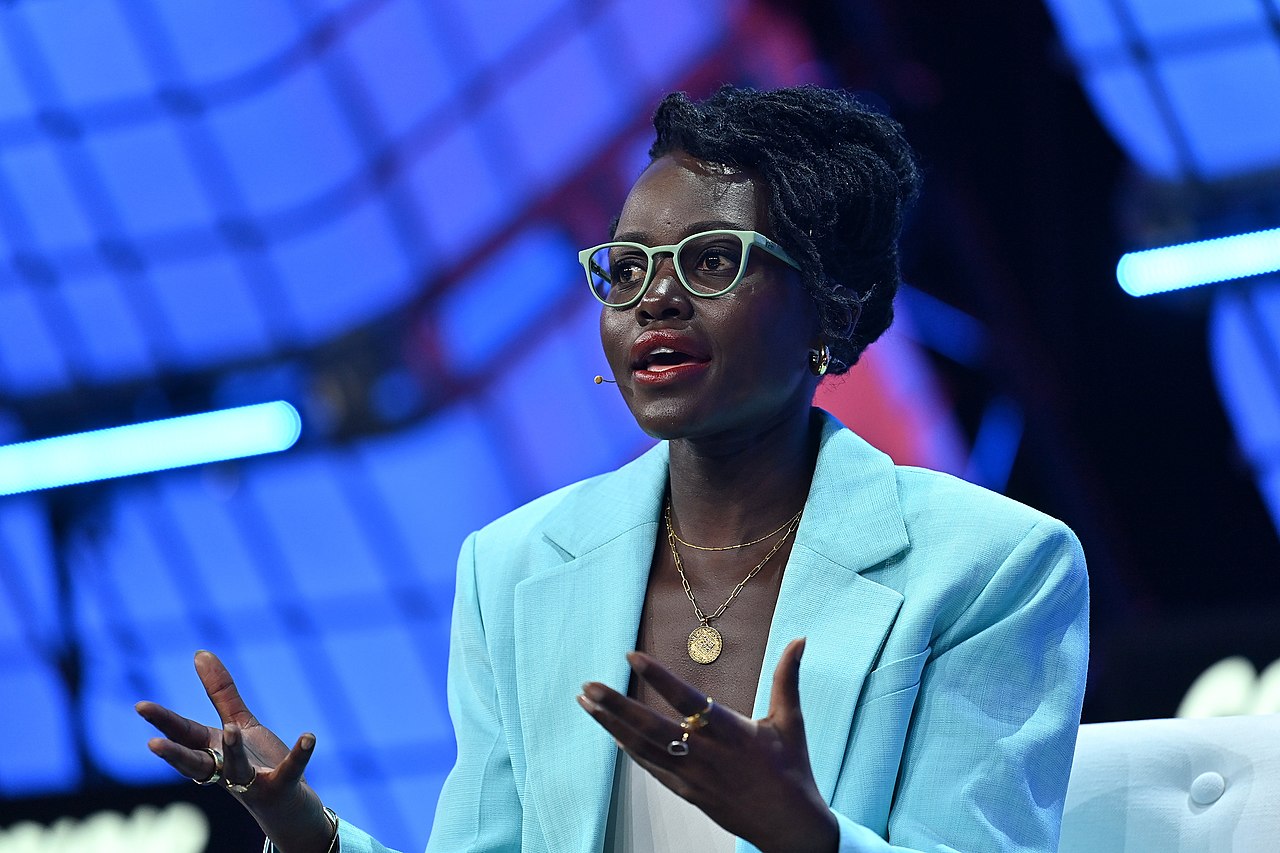
Lupita Nyong’o and Other Black Voices are Taking Center Stage at Collision Conference
Opening Night and Day 1 of Collision Conference reminded me why representation in technology matters so deeply. As someone who has worked across international development, entrepreneurship, and social impact, I know innovation is never just about tools. It is about people, access, imagination, and who gets invited to shape the future.
This 2019 Collision Conference experience stayed with me because so many of the conversations centered Black voices, Black innovation, and the responsibility of technology leaders to build a more inclusive world. Those same reflections later shaped my article on Black excellence in tech, where I explored the influence of Lupita Nyong’o, Tope Awotona, and other leaders expanding what innovation can look like.
The Power of Representation in Technology
One of the most memorable conversations from the conference featured Lupita Nyong’o and the creators of Super Sema. The discussion moved me because it spoke directly to something I understood from my own childhood.
As a little girl, I never saw scientists who looked like me. When I imagined science, I imagined older white men in lab coats. Ironically, I once dreamed of becoming a geneticist, but that dream slowly faded because I could not clearly picture someone like me in that world.
That is why Super Sema matters. Through animation and storytelling, the series gives young Black children a hero who is brilliant, curious, creative, and deeply connected to science and technology. Representation does not simply change what children see on screen. It changes what they believe is possible for themselves.
Lupita’s presence at Collision Conference also showed how storytelling and technology can work together. Innovation is not only about apps, platforms, and machines. It is also about imagination, identity, and the stories we give the next generation.
Innovation Begins with Opportunity
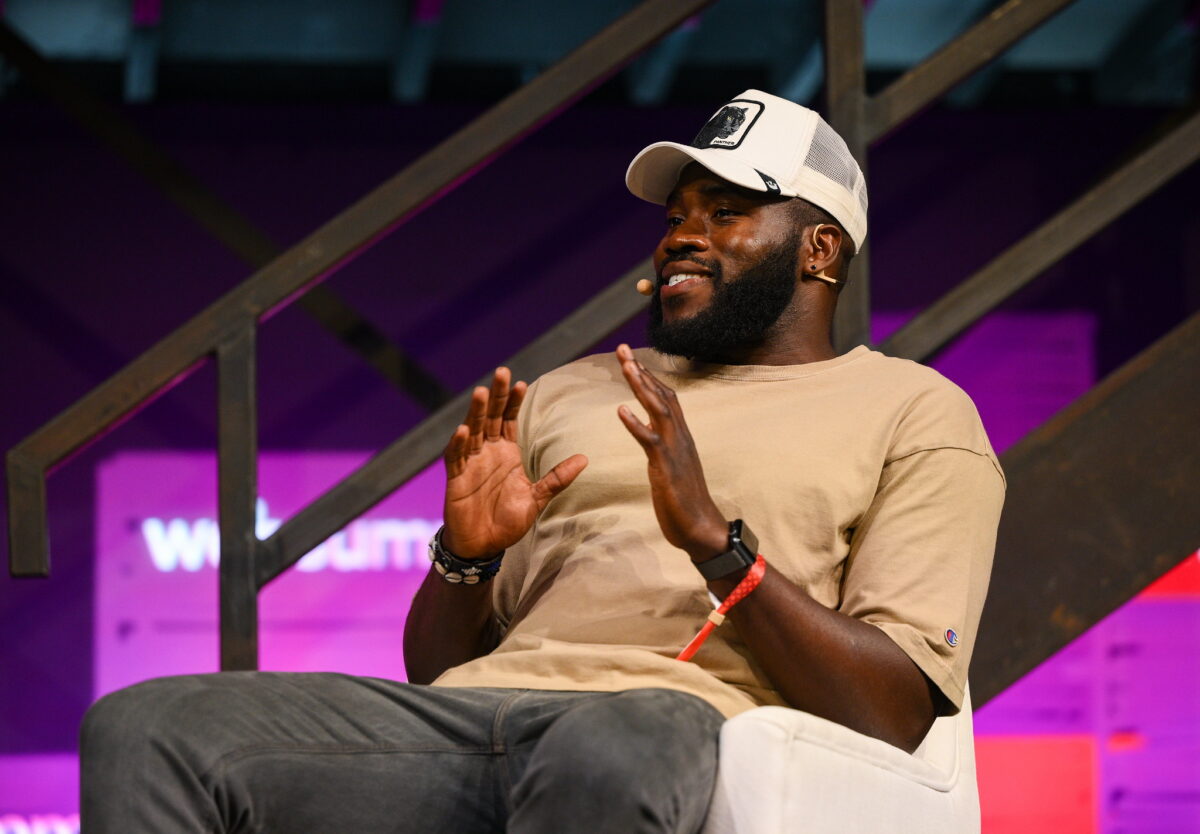
Another powerful moment came through the Black Innovation press conference and panel featuring Kelly Burton of the Black Innovation Alliance and U.S. Representative Stacey Plaskett. Their conversation focused on access, investment, and the importance of building stronger ecosystems for Black entrepreneurs.
I believe strongly in investing in Black founders. This is not only about correcting economic exclusion, although that matters. It is also about strengthening innovation overall. When more people have access to capital, mentorship, networks, and visibility, the entire technology ecosystem becomes more creative and more effective.
Diversity in technology means diversity of thought. When people from different communities help solve problems, we build products, services, and systems that better reflect the world we actually live in. That is why conversations about Black entrepreneurship belong at the center of major technology conferences.
The work of Black Innovation Alliance reminds us that entrepreneurship is never just about launching companies. It is about creating ecosystems where founders can grow, scale, and lead with the support they need to succeed.
Technology, Free Speech, and Digital Responsibility
The Q&A with Rashad Robinson of Color Of Change brought another important layer to the conversation. It pushed the audience to think about technology, speech, power, and accountability in a much deeper way.
I believe free expression is essential to a healthy society. Having worked in countries where people can face real danger for speaking openly, I do not take that freedom lightly. However, I also believe speech carries power, and the systems that amplify speech carry responsibility.
Technology platforms shape public conversation every day. When algorithms reward outrage, misinformation, racism, or hate because those things drive engagement, those design choices affect real people and real communities.
Robinson’s discussion was a necessary reminder that innovation cannot be separated from ethics. If technology companies profit from attention, then they also have a responsibility to consider what kind of attention they are encouraging.
Why Collision Conference Still Matters
What made Collision Conference powerful for me was not simply the size of the event or the names on the stage. It was the way the conference brought together founders, artists, investors, policymakers, journalists, and activists in the same space. Each conversation asked a different version of the same question: who gets to shape the future?
For me, the answer must include Black creators, Black entrepreneurs, Black technologists, Black children, and Black communities. Technology should not be built for people without including them in the process. That is how exclusion repeats itself. Inclusion has to be intentional.
Looking back, this Collision Conference experience feels even more important because so many of these conversations remain relevant today. Representation, access, accountability, and innovation are still central to the future of technology.
Continue reading my related article, Black Excellence in Tech: Pioneering Paths with Lupita Nyong’o and Tope Awotona, and explore more of my Collision Conference coverage on DG Speaks.



One Comment
Comments are closed.