Pioneering Paths: Lupita Nyong’o, Tope Awotona, and the Impact of Black Excellence in Tech
Innovation often gets measured by the products we build, the companies we launch, and the technologies that change daily life. However, some of the most important breakthroughs begin with something much simpler: expanding who gets to participate in the conversation.
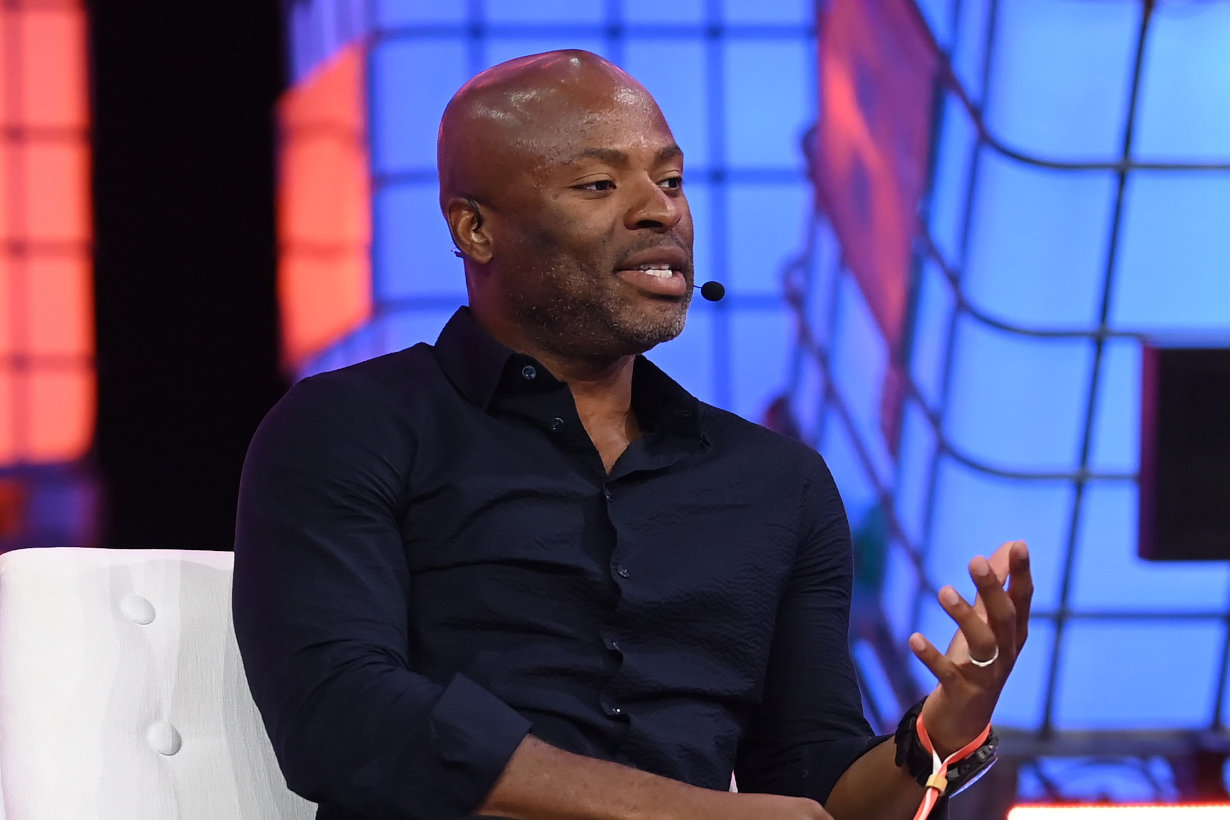
While covering Collision Conference 2022, I kept returning to that idea. Black entrepreneurs, creators, investors, and thought leaders challenged old ideas about leadership, innovation, and opportunity. Their stories reinforced one powerful truth: Black excellence in tech does more than increase representation. It transforms the future of technology itself.
Navigating Pioneering Paths in Tech
Lupita Nyong’o illustrates that transformation beautifully. The world knows her as an actress, author, and producer. Yet her work also shows how storytelling can inspire the next generation of innovators.
Through Super Sema, Nyong’o helps connect technology, education, and culture in a way that expands how children see science and innovation. That matters because children do not dream in the abstract. They dream through what they are able to see.
At Collision Conference 2022, conversations about representation in tech reminded me how powerful visibility can be. When young Black girls see characters who are brilliant, inventive, and connected to science, they receive a new message about what is possible. They are not trying to imagine themselves into spaces where they have never been seen. Instead, they can begin with the truth that they already belong there.

Tope Awotona’s Impactful Ventures
That same spirit of possibility appears in the entrepreneurial journey of Tope Awotona, founder of Calendly. His story offers a powerful example of how Black innovation can reshape the way people work, connect, and organize their lives.
Calendly may look simple on the surface, but its impact is significant. The platform removes the constant back-and-forth of scheduling meetings and solves a common frustration in a practical way. Strong technology often begins there. It notices a problem people face every day and creates a cleaner path forward.
Awotona’s success also carries a deeper meaning. Black founders have long faced barriers to funding, visibility, and support. His journey reminds us that talent has never been the issue. Access has. Opportunity has. Networks have. Once those barriers shift, innovation expands in ways that benefit everyone.

Diversity and Black Excellence in Tech as the Driving Force
Diversity is not a side issue in technology. It is one of the forces that makes innovation stronger. Different communities bring different questions, lived experiences, and ideas about what people actually need.
The work connected to Lupita Nyong’o and Tope Awotona reflects this truth in different ways. One uses storytelling and animation to inspire children. The other uses practical design to simplify professional life. Together, they show that Black excellence in tech can take many forms, from cultural imagination to business innovation.
Representation matters far beyond optics. When more voices shape technology, products and platforms become more responsive to the real world. They also become more human, more useful, and more informed by lived experience.
A Platform for Tech Narratives
My work at DG Speaks has always centered storytelling, culture, and lived experience. That is why our technology coverage looks beyond gadgets and trends. I care about the people behind innovation, the communities affected by it, and the power structures that decide who receives support.
Covering Collision Conference 2022 gave me a front-row seat to conversations that connected technology with entrepreneurship, equity, media, and social change. That experience also inspired my related reflection on Lupita Nyong’o and other Black voices taking center stage at Collision Conference.
These stories matter because technology is never neutral. It reflects the people who build it, the investors who fund it, and the systems that shape it. Therefore, if we want a more inclusive future, we must pay close attention to who gets heard now.
Innovation as a Catalyst for Change
In a fast-moving technological landscape, innovation can spark meaningful change. Still, change does not happen simply because something is new. It happens when fresh ideas challenge old assumptions and create better possibilities for people who have too often been left out.
Lupita Nyong’o’s work with Super Sema and Tope Awotona’s success with Calendly both remind us that innovation can be creative, practical, and deeply human. It can live in a children’s animated series. It can also live in a scheduling platform. Most importantly, it can live anywhere someone decides that a different future is worth building.
That is the real power of Black excellence in tech. It does not only celebrate individual achievement. It shifts the landscape, opens doors, and challenges the industry to become more inclusive, imaginative, and accountable.
Looking Ahead: The Future of Black Excellence in Tech
The future of Black excellence in tech depends on more than visibility. It requires investment, mentorship, ownership, and access to decision-making power. It also requires telling the stories of innovators whose work might otherwise go unseen.
Lupita Nyong’o and Tope Awotona offer two powerful examples, but they are not the whole story. Countless Black founders, engineers, designers, educators, investors, creators, and community leaders are shaping technology in ways that deserve attention.
Now the work is to make sure these stories are not treated as exceptions. They are part of a much larger movement toward a technology ecosystem that reflects the brilliance, complexity, and creativity of the world we actually live in.
A Celebration of Black Excellence in Tech and a Call to Action
Black excellence in tech is both a celebration and a call to action. It asks us to recognize the achievements already shaping the industry while demanding better pathways for those still fighting to enter, lead, and thrive.
This conversation also asks us to understand innovation more broadly. Technology is not just code. It is not just funding rounds or product launches. It is storytelling, education, access, design, accountability, and imagination. It is the ability to see a problem and believe something better can be built.
As I continue covering technology, culture, and innovation, I remain committed to highlighting the people whose ideas push us toward a more inclusive future. Continue reading my related coverage from Collision Conference 2022, and explore more stories in the DG Speaks technology archive.