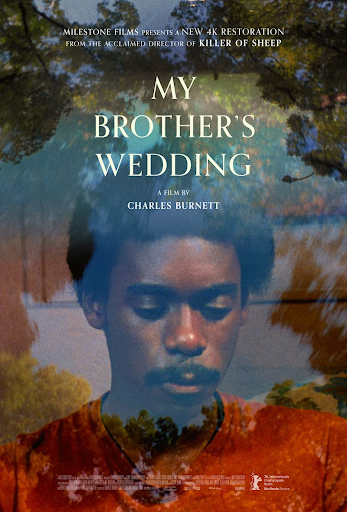
My Brother’s Wedding Returns in a New 4K Restoration
Some films arrive with a roar. Others wait quietly until culture catches up with what they were trying to say. That is one reason I love revisiting independent cinema. A restoration is not just a technical upgrade. Sometimes it is an invitation to look again.
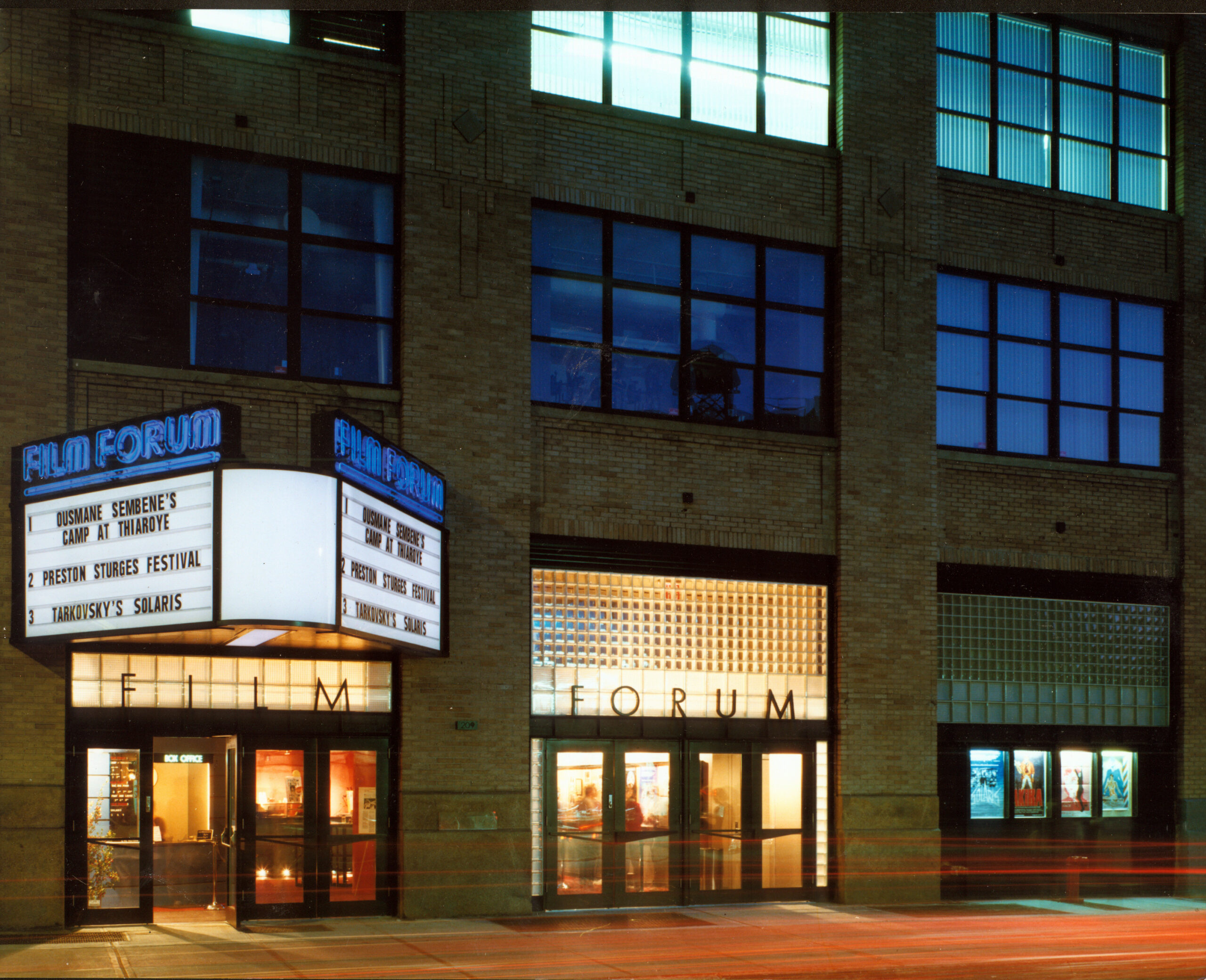
Charles Burnett’s My Brother’s Wedding is getting that invitation. A new 4K restoration of Burnett’s 1983 second feature will run September 18 through 24, 2026, at New York’s Film Forum.
For DG Speaks, where film coverage often centers culture, identity and the stories that mainstream cinema leaves at the margins, this restoration feels especially worth watching.
My Brother’s Wedding Is About More Than a Wedding
The film follows Pierce Mundy, a young man working at his parents’ dry-cleaning business in South Central Los Angeles. Pierce feels stuck. His childhood friends have either died or gone to prison, while his brother Wendell appears to be moving upward as a successful lawyer.
Then there is Soldier, Pierce’s best friend, who has just been released from jail.
These relationships place Pierce between different versions of Black life. There is the aspiration represented by his brother’s professional success and upper-middle-class fiancée. There is the loyalty and familiarity represented by Soldier. There is also the steady pull of family responsibility through Pierce’s mother.
When Soldier dies in a car accident, the conflict becomes literal. His funeral takes place on the same day as Wendell’s wedding.
Pierce tries to be present for both. Ultimately, he manages to belong fully to neither.
Charles Burnett Made Black Life Feel Lived-In
Burnett is one of the central filmmakers associated with the L.A. Rebellion, the movement of Black filmmakers who emerged from UCLA beginning in the late 1960s and challenged conventional Hollywood representations of Black life.
His cinema does something deceptively radical. It lets Black people be complicated.
Characters do not exist only as symbols of suffering, success or social uplift. They can be funny, petty, loving, frustrated, ambitious, lost and deeply human.
That humanity runs through My Brother’s Wedding. The movie looks at class without pretending class mobility automatically solves everything. It explores friendship without romanticizing loyalty. It examines family without presenting family obligation as simple.
Those tensions make the film feel remarkably current.
The Film Almost Disappeared
The history behind the movie makes its restoration even more significant.
Burnett secured funding from the German broadcaster Zweites Deutsches Fernsehen after the success of Killer of Sheep. However, delays during production and post-production created pressure to deliver the film.
Film Forum’s background notes explain that production delays eventually forced Burnett to hand over an unfinished edit. The German broadcaster treated that version as the completed film, although it was not the cut Burnett wanted audiences to see.
That unfinished cut screened at New Directors/New Films in 1984 and received mixed reviews. Distribution opportunities faded, and the movie slipped into relative obscurity.
The story did not end there. Years later, after Milestone Films obtained the rights, Burnett was finally able to return to the material and complete his preferred edit in 2007.
Now the film is receiving another life through a new 4K restoration.
A Remarkable Creative Lineage Was Already Taking Shape
The film also offers a fascinating glimpse at a generation of Black artists whose influence would continue expanding.
The crew itself now reads like a remarkable piece of Black film history. Future Daughters of the Dust director Julie Dash worked as a first assistant director, while Arthur Jafa began his film-set career behind the camera on the production.
That makes My Brother’s Wedding part of a much larger creative ecosystem. These artists were not working in isolation. They were building cinematic language together.
For viewers who care about the evolution of Black independent film, that context matters almost as much as the restoration itself.
Why My Brother’s Wedding Still Matters
What interests me most is the question underneath Pierce’s choices: what happens when the people and places that made us no longer fit neatly into the future we are supposed to want?
Black upward mobility is often narrated as a clean escape story. Education, career and money supposedly move someone from one world into another.
Real life is messier.
Family ties remain. Community ties remain. Class differences can create distance without erasing love. And sometimes the pressure to choose between identities is itself the problem.
Burnett understood that decades ago.
That is why bringing My Brother’s Wedding back to theaters matters. Restoration gives audiences more than a sharper image. It gives us another opportunity to encounter a filmmaker who insisted that ordinary Black life was worthy of patience, complexity and cinematic beauty.
Film Forum also maintains downloadable press information through its official press page.
For more stories about cinema, cultural memory and independent filmmaking, visit DG Speaks’ film festival coverage and cultural festivals hub.