Rainy Travel Days Give Back a Different Beauty
I used to treat rain as a personal insult whenever it appeared during a trip.
After spending time planning a route, saving restaurants, and imagining long walks through a new city, I wanted the weather to cooperate. A gray sky could make me feel as though the day had already lost some of its value.
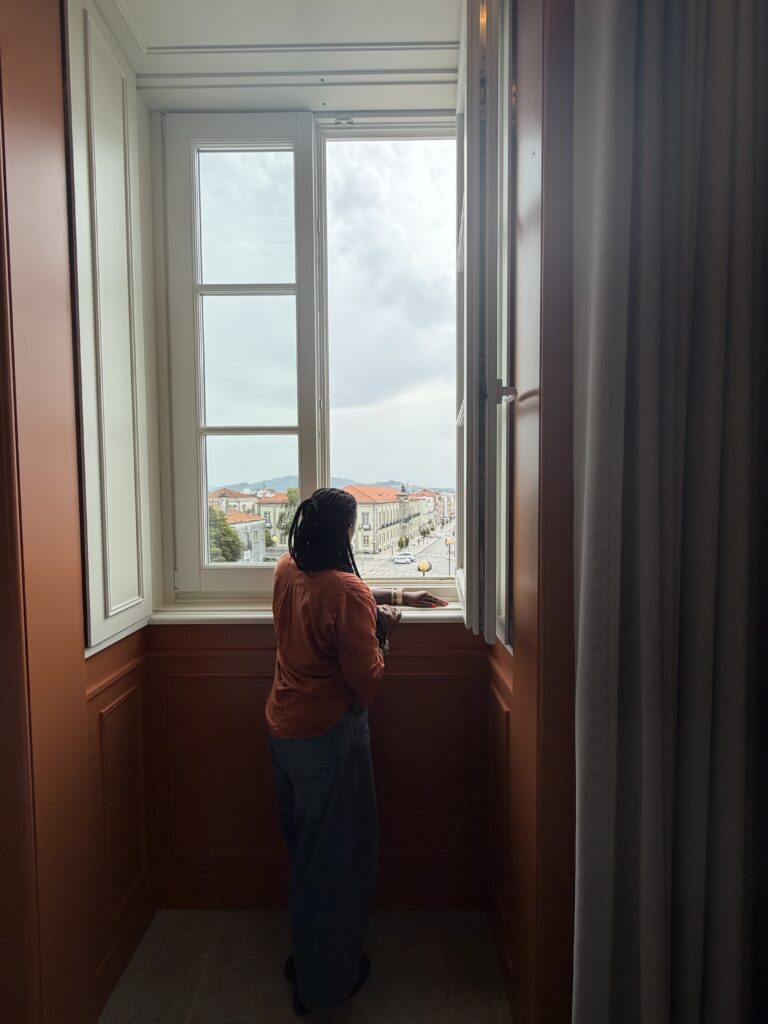
Then one morning, I woke to rain striking the window of a room far from home. The forecast showed no meaningful break until evening. My outdoor plans no longer made sense, and the streets below looked nearly empty.
At first, I felt disappointed. However, once I stopped trying to rescue the original itinerary, the day began offering another possibility.
I found a café nearby, ordered something warm, and sat beside a window while umbrellas moved across the wet pavement. Later, I visited a small museum I had not planned to see. By afternoon, I had wandered through a bookstore and eaten soup slowly enough to notice every bite.
The day did not resemble the one I had imagined.
Still, it belonged to the trip.
Rainy travel days used to annoy me more than they do now. I still prefer being dry, but I have learned that rain can reveal a different kind of beauty.
When Weather Changes the Plan
Travel planning creates expectations. I choose routes, reserve experiences, and picture how the day might unfold. Weather does not care about any of that.
Once rain begins, I have a choice. I can spend the day fighting conditions I cannot control, or I can respond to what is actually happening.
Sometimes, the outdoor market becomes a museum. A long walk may turn into an afternoon in a café, while a scenic viewpoint can wait for another day.
Changing the plan does not mean the trip has failed. Instead, it means the itinerary has met reality.
Disappointment Is Still Part of the Experience
I do not need to pretend that every rainy day feels romantic.
Rain can soak clothing, delay transportation, close attractions, and turn uneven sidewalks into slippery hazards. Cold water inside a shoe does not become charming simply because I am traveling.
Allowing myself to feel disappointed often helps more than forcing immediate gratitude. Once I acknowledge that I wanted a different day, I can begin deciding what still feels possible.
Flexibility works best when it does not require denial.
A Slower Day Can Still Be a Full Day
Rain naturally changes pace. People walk more carefully, linger under awnings, and enter buildings they might otherwise pass.
That slower rhythm connects with what slow travel has taught me about choosing presence over pace.
Slowing down does not necessarily mean doing less. It may mean spending more time with what I choose.
Instead of visiting four attractions, I might explore one museum properly. Rather than rushing through lunch, I can remain at the table long enough to watch how the room changes as the storm continues outside.
Rain Changes How a City Sounds
Wet streets create a different soundtrack.
Tires move through puddles. Water taps against umbrellas, windows, rooftops, and metal awnings. Conversations gather inside doorways where people wait for the rain to soften.
Even familiar traffic can sound different when the pavement is wet.
Because the visual world becomes muted, sound often becomes more noticeable. The city feels less like a postcard and more like a living environment responding to weather.
Streets Take On a Softer Shine
Rain changes light as well.
Reflections appear beneath streetlamps, signs, windows, and passing cars. Stone darkens, colors deepen, and ordinary pavement begins holding pieces of the buildings above it.
A street that looked flat in bright sun may suddenly feel cinematic.
Photography becomes more difficult because I must protect equipment and avoid slippery footing. Even so, rainy conditions can produce images filled with texture, movement, and atmosphere.
Beauty does not disappear. It simply changes form.
Going Inside Can Reveal More of the Place
Sunny weather encourages movement. Rain makes interiors more important.
Libraries, galleries, cafés, markets, churches, bookstores, and neighborhood restaurants become places of refuge. Once inside, I often discover details that a packed outdoor itinerary would have caused me to miss.
A museum offers more than shelter. A bookstore reveals which writers receive attention, while a café shows how local people spend an ordinary wet afternoon.
Going inside does not remove me from the destination. In many cases, it brings me closer to its daily life.
Rest Can Become Part of the Itinerary
Rain also gives me permission to pause.
During a trip, I sometimes treat rest as a failure to use the available time. I push through fatigue because I believe every hour should produce an experience.
However, a quiet afternoon can protect the rest of the journey. Returning to my room, changing into dry clothes, reading, or taking a nap may restore enough energy for the following day.
This belongs beside my reflections on women, rest, and why softness is not surrender.
Rest does not interrupt travel. Sometimes, rest makes meaningful travel possible.
Rain Reveals How Well a City Cares for People
Wet weather exposes infrastructure quickly.
Covered transit stops, reliable drainage, even sidewalks, sheltered walkways, and accessible entrances make an enormous difference. Without them, a simple trip across town becomes difficult.
People using wheelchairs, pushing strollers, carrying bags, or walking with limited mobility experience those conditions more intensely.
Travelers may describe rain as an inconvenience. Residents must navigate the same design repeatedly.
As a result, rainy days can reveal whether a city has planned for real bodies or only ideal conditions.
Preparation Gives Me More Choices
Although I cannot control the weather, I can prepare for it.
A compact umbrella, water-resistant shoes, a lightweight jacket, and a bag that protects electronics make rainy days easier. I keep practical items for changing weather in my Amazon travel shop.
Preparation matters because discomfort narrows patience. Once my clothing becomes soaked or my phone is at risk, curiosity becomes much harder to maintain.
Good gear does not make rain disappear. It gives me more freedom to decide whether to continue exploring or return indoors.
Some Weather Problems Are Bigger Than an Umbrella
Light rain may require only an adjustment. Severe weather demands more caution.
Flooding, storms, transportation cancellations, and dangerous road conditions can disrupt an entire journey. In those situations, protecting the schedule matters far less than protecting myself.
Travel medical coverage through SafetyWing can provide additional support when illness, injury, or other covered complications affect a trip.
Still, no insurance plan replaces sound judgment. If authorities issue warnings or local conditions look unsafe, I change the plan.
A Warm Meal Feels Different During Rain
Food takes on another meaning when I enter from wet streets.
Soup, tea, coffee, bread, and slow-cooked dishes offer warmth that feels both physical and emotional. Steam rising from a bowl becomes part of the comfort.
Rain often leads me toward meals I might not have chosen on a bright day. Rather than treating food as a quick stop between attractions, I allow the meal to become the experience.
The restaurant provides shelter, but it also creates a place to observe how people gather when the weather pushes everyone inside.
The Best Memory May Come From the Changed Plan
I have forgotten many perfectly sunny travel days because they unfolded exactly as expected.
Rainy days often remain more vivid.
I remember the café where I waited beside a fogged window, the museum I entered only because the streets became uncomfortable, and the meal that lasted longer because nobody felt eager to step outside.
Those memories did not emerge because rain automatically improved the trip. They remained because the change forced me to become more attentive.
Letting the Day Become What It Is
By late afternoon on that rainy trip, the weather had not improved. Water still moved down the windows, and the outdoor plans remained impossible.
Yet my frustration had faded.
The café, museum, bookstore, and warm meal had created a day with its own rhythm. None of it appeared on my original itinerary, but each experience helped me understand the place differently.
That is the lesson I now carry into rainy travel days.
Weather belongs to travel. It is not simply an interruption from the real experience.
Sometimes, rain creates discomfort, delays, and genuine safety concerns. At other times, it changes the light, redirects my attention, and gives me a reason to enter spaces I would otherwise overlook.
The goal is not to romanticize every storm.
Instead, I want to meet the day honestly. I can prepare well, respect dangerous conditions, and release the belief that only the original plan can produce a meaningful trip.
Rain may alter the story.
It does not have to ruin it.
Explore more reflections on weather, flexibility, and moving through unfamiliar places with greater attention through DG Speaks Travel. You can also discover how rainy days shape meals and food memories through DG Speaks Food, or read more about rest, public space, and everyday culture through DG Speaks Culture.