The Story I Hear in a Full Table
I remember sitting at a crowded table where nobody waited for complete silence before speaking. One story interrupted another, someone reached across for a dish that had already made two trips around the table, and a child asked the same question several times before anyone answered.
The room was loud, warm, and slightly disorganized. Plates shifted, glasses needed refilling, and at least one person insisted that everyone take more food even after we said we were full.
Nothing about the meal felt polished. Still, the table felt alive.
A full table has its own sound. Forks, laughter, overlapping stories, and the steady movement of food create a kind of music that reminds me that gathering has never required perfection.
The Noise of Being Together
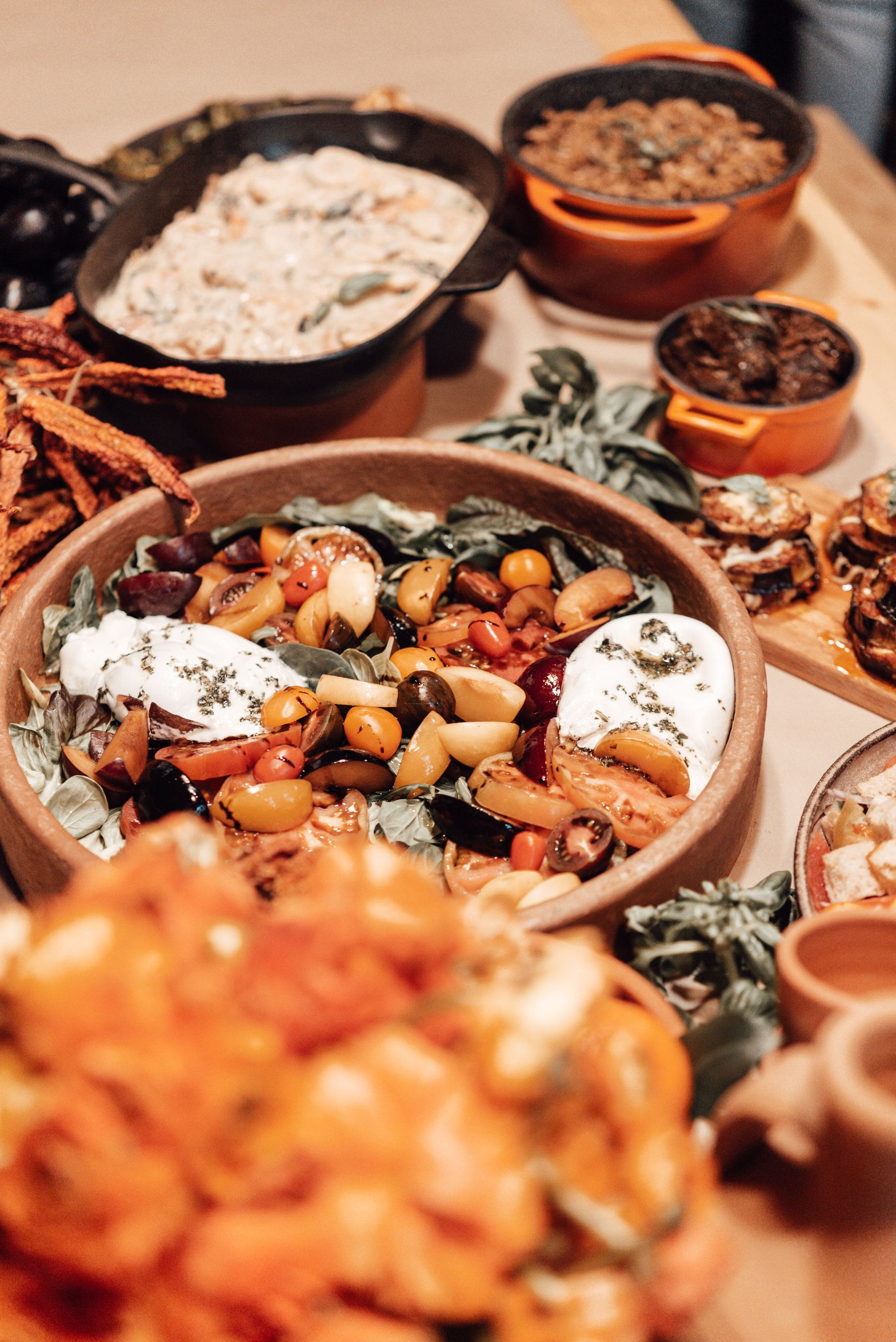
Shared meals are often represented through beautiful images of coordinated plates, thoughtful centerpieces, and food arranged with care. Real gatherings rarely stay that composed for long.
Someone arrives late. A conversation becomes louder than expected, and one person begins clearing plates while another is still eating. Children lose interest in sitting, while adults keep returning to stories they have already told.
The noise can feel chaotic, but it can also feel like life doing what life is supposed to do.
A quiet table may offer peace. A loud one can offer another kind of comfort: the assurance that nobody has to perform stillness before belonging.
Plates Pass Like Memory
Food rarely moves around a table without carrying a story.
A dish may come from a relative who no longer cooks, a place someone left years ago, or an ingredient that became part of the family through migration. Even a new recipe can gather meaning after people begin requesting it at every celebration.
This is why food memories continue following us home. The recipe matters, but so does the movement around it.
Someone remembers who served it first. Another person insists the original version tasted different, while a younger relative quietly changes the method and creates a new tradition.
As the plates move from hand to hand, memory moves with them.
A Shared Meal Can Hold More Than Celebration
Not every full table marks a joyful occasion. People also gather after funerals, during illness, following a crisis, or when someone needs support that feels too large to explain directly.
Food creates a structure when words feel insufficient. There is something to prepare, carry, serve, and place in front of the person who may not know what to ask for.
This connection appears in my reflections on how community resilience begins before a crisis. Strong communities do not suddenly appear during an emergency. They grow through repeated acts of attention long before anyone knows they will be needed.
A table can become part of that infrastructure. People learn who checks on others, who brings enough food to share, and who notices when someone has become too quiet.
Who Makes the Room Work Matters
A full table may look spontaneous, but someone usually made it possible.
There were invitations, groceries, decisions, preparation, and cleaning before the first guest arrived. Someone remembered dietary needs, found enough chairs, and calculated whether the food would stretch.
During the meal, that person may continue monitoring the room. Is everyone eating? Does another dish need to come out? Has someone been left out of the conversation?
This labor often falls to women and disappears beneath the language of hospitality. The gathering looks effortless because someone absorbed the effort.
Care may motivate the work, but affection does not make labor invisible or free. A table becomes more generous when responsibility moves around it as freely as the plates do.
Hospitality Should Not Require Self-Erasure
Hosting can become a performance of abundance.
The house must look perfect, the food must impress, and the host must appear calm even when she has been working for hours. By the time everyone sits down, she may be too tired to enjoy what she created.
I do not believe hospitality should require that sacrifice.
Guests can bring dishes, refill glasses, clear plates, or help restore the kitchen after the meal. Store-bought food can sit beside something homemade without weakening the welcome.
A gathering succeeds when people feel cared for, not when one woman disappears into service.
A Full Table Is Not Automatically an Inclusive One
Many people can occupy the same table without everyone feeling welcome.
One voice may dominate the conversation. A relative’s identity can become the subject of jokes, while political arguments make the room unsafe for the person expected to remain polite.
Food does not cancel those dynamics.
A meaningful table allows people to speak without competing for permission to exist. It makes room for dietary needs, physical access, cultural difference, and the person who requires a quieter place to sit.
Belonging asks more of us than setting an extra plate.
Enough Does Not Have to Mean Excess
A full table does not need to overflow.
Abundance can mean several dishes, but it can also mean one pot that serves everyone well. Too much food may create waste and additional labor without deepening the connection.
What matters is whether people have enough to eat and whether the meal allows everyone to participate with dignity.
Hospitality built around excess can also exclude the person who cannot afford to reciprocate at the same level. A simpler gathering may invite more people to host because it removes the pressure to impress.
Enough can be generous without becoming extravagant.
Travel Shows Me Different Ways to Gather
Travel has introduced me to many versions of the shared table.
Meals may unfold slowly over several courses, begin with bread and small plates, or place one central dish within everyone’s reach. Some gatherings expect lively conversation, while others leave more room for quiet.
Food experiences available through GetYourGuide can provide useful cultural context when guides connect eating traditions to history, family, agriculture, and daily life.
The most meaningful lesson is not that one culture gathers correctly. It is that people have developed many ways to signal welcome, share resources, and create time together.
Travel expands my understanding of the table, but the lesson still has to return home.

A DG Speaks Recommendation
I want more years of gathering, sharing meals, and staying connected to the people who make life feel full
I partnered with Happy Aging to share products that support energy, vitality, and a life that remains active, connected, and fully engaged.
Not Every Meaningful Table Belongs to Family
Family tables can hold love, memory, and continuity. They can also hold tension, exclusion, and roles that no longer fit.
Sometimes the table that feels safest is one built through friendship, community, work, travel, or shared experience. Chosen family can create traditions that are no less meaningful because they began later.
A person does not need biological ties to remember how I take my coffee, notice when I need food, or make room for my voice in the conversation.
The table becomes family through care, not simply through inheritance.
The Antidote Is Shared Responsibility
Modern life can make gathering feel difficult. People are busy, homes may be small, food costs have risen, and the thought of hosting can feel like another task waiting to be completed.
The antidote is not demanding more effort from the person already doing the most.
Shared responsibility makes the table possible. One person hosts, another brings food, someone handles drinks, and another stays to clean. The gathering does not need one central figure carrying every practical and emotional detail.
Contribution also does not have to look equal in every season. A person with limited money may bring time. Someone with little energy may contribute conversation, while another person offers the space.
Community grows when people bring what they can without turning care into a competition.
A Table Worth Protecting
A table worth protecting does more than feed people.
It creates room for disagreement without humiliation. Guests can tell the truth without becoming the evening’s problem, and nobody must shrink to preserve a false sense of harmony.
Such a table also understands that belonging includes boundaries. Not every person deserves continued access simply because they share history, blood, or an invitation from someone else.
Protection means caring for the atmosphere as carefully as the food.
The goal is not to eliminate discomfort. Honest conversations may challenge people. The difference lies in whether everyone retains dignity while the conversation unfolds.
The Fullness I Want to Remember
When I think back to that noisy meal, I cannot reconstruct every dish or conversation. I remember the movement.
Hands passed plates. Someone laughed before finishing a sentence, and another person reached for more food after insisting she could not eat another bite.
The table felt full because people brought their whole presence to it.
A full table is not simply one crowded with food or surrounded by chairs. Its real abundance comes from attention, memory, responsibility, and the freedom to arrive without becoming smaller.
I want more meals where nobody has to earn welcome by performing usefulness. More gatherings where labor is visible and shared. More tables where people listen as generously as they serve.
The noise may remain imperfect. The stories may overlap, and someone will probably ask whether there is more.
That is not a failure of hospitality.
Sometimes it is the sound of belonging.
Continue exploring stories about food, hospitality, memory, and the communities built around what we share through DG Speaks Food.