Why I Still Believe in Summer Even When It Is Complicated
Summer is often sold as the easiest season.
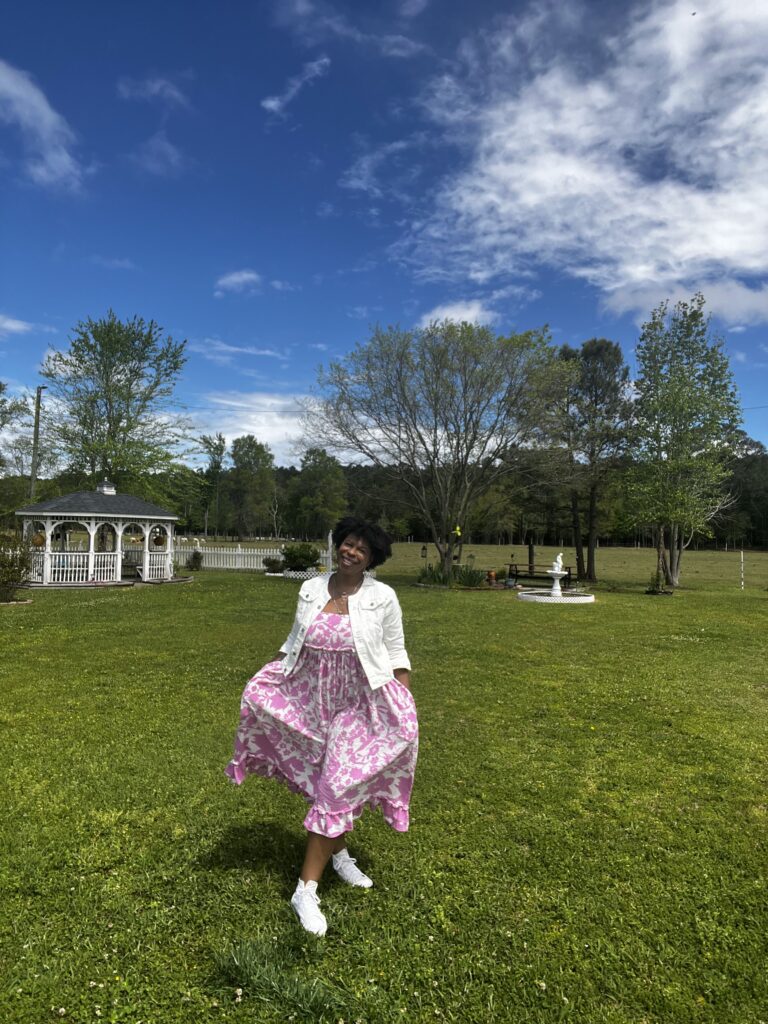
The images are familiar: bright dresses, cold drinks, open roads, beach towels, outdoor dinners, and people laughing beneath perfect skies. Everything looks lighter because the days are longer.
Real summer can feel much more complicated.
Heat settles into the body. Work continues, bills remain, and the world does not become less troubling because the sun stays out later. Some days bring beauty and exhaustion at the same time.
I am learning not to demand a simple emotional story from the season.
A complicated summer can hold pleasure without pretending that everything is fine. Light does not erase difficulty, but it can still reach me inside it.
Summer Comes With a Script
Every season carries expectations, but summer may carry the loudest ones.
I am supposed to travel, socialize, wear the right clothes, enjoy my body, make memories, and appear grateful for every warm day. The season becomes another performance of happiness.
That pressure can make ordinary fatigue feel like personal failure.
If I do not feel carefree, I may wonder whether I am wasting summer. Meanwhile, other people seem to be moving through an endless collection of vacations, festivals, rooftop dinners, and glowing sunsets.
However, a season does not become meaningful only when it looks impressive.
Heat Changes More Than the Temperature
Extreme heat affects mood, movement, sleep, appetite, and patience.
A simple walk can require more effort. Public transportation feels heavier, and even household tasks become tiring when the air refuses to cool.
Heat also reveals inequality.
Some people can retreat into air-conditioned homes, offices, cars, and hotels. Others work outdoors, wait at uncovered bus stops, live in poorly cooled housing, or must choose between high utility bills and physical comfort.
Summer may appear democratic because everyone feels the temperature.
Protection from that temperature is not equally distributed.
Women Are Still Expected to Hold Everything Together
Warm weather does not automatically reduce women’s labor.
Children may be out of school, family visits increase, gatherings require planning, and travel creates another layer of organization. Someone remembers the sunscreen, water, snacks, medication, directions, and extra clothes.
Often, that person is a woman.
Summer gets described as relaxing while women continue managing the conditions that allow everyone else to relax.
This contradiction matters.
Rest cannot be measured only by whether I left the office or spent time outdoors. If I remain responsible for every detail, the setting may change while the labor continues.
Light Does Not Fix Everything
A beautiful evening cannot solve a difficult life.
The sunset does not remove grief, financial pressure, illness, loneliness, or uncertainty. I do not want to use beauty as a way to avoid what needs attention.
Still, light changes the room.
A breeze after a punishing afternoon can soften the body. Cold water, shade, music, or a few quiet minutes outside may create enough relief to help me continue.
Small comfort does not need to become a cure in order to matter.
Joy Does Not Require Denial
I used to think joy needed a clear space around it.
First, the problem should be solved. The work should be finished, the body rested, and the larger world made less frightening.
Only then could pleasure arrive without guilt.
Life rarely offers that kind of clean separation.
A woman can feel tired and still laugh. She can carry concern while enjoying a meal, a song, or an afternoon near water.
Joy does not become dishonest simply because difficulty remains nearby.
The Season Returns Through the Body
Summer memories often arrive through sensation before thought.
The smell of sunscreen can return me to another beach. Smoke from a grill may bring back a family gathering, while ripe fruit recalls kitchens, roadside stands, and afternoons that seemed much longer when I was younger.
Music travels through memory the same way.
One song can restore the sound of open car windows, porches, block parties, or a room filled with people who are no longer together in the same way.
This connects with my reflections on the food memories that continue following us home.
Taste, smell, and temperature preserve stories that language may not fully explain.
A Peach Can Carry an Entire Season
Summer pleasure does not always arrive through a major event.
Sometimes, it is a peach eaten over the sink because the juice refuses to stay contained. On another day, it may be watermelon, corn, tomatoes, berries, or something cold from the refrigerator after coming inside.
Seasonal food can make time feel visible.
The ingredient tastes different because it will not remain at its best forever. Its brief abundance asks me to notice it now.
That attention turns eating into more than consumption.
It becomes a way of recognizing where I am in the year.
Summer Food Also Carries Labor
Seasonal abundance can appear effortless once it reaches the market or table.
However, someone planted, harvested, packed, transported, stocked, cooked, and served the food. Much of that work happens in intense heat.
Remembering labor does not remove pleasure from the meal.
Instead, it gives the pleasure context.
The peach can be sweet while the food system surrounding it remains unequal. Holding both truths creates a more honest appreciation.
Rest May Need to Look Different in Summer
Summer rest is not always a vacation.
It may mean closing the curtains during the hottest hours, declining an outdoor event, or taking a slower route because the direct one offers no shade.
Sometimes, rest involves staying home while other people appear to be making the most of the season.
That choice connects with my reflections on women, rest, and why softness is not surrender.
Listening to physical limits does not mean I lack adventure.
It means I want to remain well enough to enjoy what I choose.
The Best Part of the Day May Begin Later
Summer encourages me to reconsider time.
Midday may be too hot for long walks, outdoor markets, or crowded sightseeing. Early mornings and evenings often offer a gentler rhythm.
A city changes after the heat begins to release.
People return to sidewalks, tables fill, and public spaces become more social. The day that felt unbearable at three may feel generous by seven.
Adjusting my schedule lets me work with the season rather than against it.
Water Changes the Emotional Temperature
I do not need an elaborate beach vacation to feel what water gives back.
A riverwalk, lake, fountain, pool, or shaded place beside the water can change the experience of heat. Even the sound creates a sense of movement and relief.
Water invites the body to soften.
For some people, access to safe swimming or waterfront space remains limited by cost, transportation, discrimination, or poor public investment. Therefore, the freedom associated with summer water is also a question of access.
Public pleasure depends on public infrastructure.
The Season Can Intensify Loneliness
Summer social life often looks abundant from the outside.
People gather, travel, attend events, and fill social media with group photographs. For anyone feeling isolated, the constant visibility of togetherness can make loneliness sharper.
Not every person has a family reunion, friend group, partner, or budget for summer plans.
Recognizing that reality helps me resist the idea that a meaningful season must be crowded.
A quiet summer is still a life.
Solitude Can Feel Different From Exclusion
Being alone does not always mean being lonely.
Chosen solitude can offer relief from social performance. I may read, walk, visit a museum, eat alone, or sit outside without needing to make the moment productive.
The difference lies in agency.
Solitude feels restorative when I choose it and know connection remains available. Exclusion feels different because it carries the message that no space was made for me.
Summer can contain both experiences, sometimes within the same week.
Local Pleasure Still Counts
A meaningful summer does not require a distant trip.
A park, neighborhood festival, local restaurant, botanical garden, museum, or day near the water may provide the change of pace I need. I may also use GetYourGuide to look for nearby tours or cultural experiences.
Distance can be exciting, but it does not hold a monopoly on discovery.
Sometimes, the season opens when I stop waiting for the ideal vacation.
Small Supports Make the Heat More Manageable
Practical comfort matters during hot weather.
Water, breathable clothing, shade, sunscreen, a portable fan, and a reliable way to carry essentials can make an outing safer and less exhausting. I keep some of the summer and travel items I use or recommend in my Amazon shop.
These tools cannot correct every problem created by heat.
Still, they may reduce unnecessary discomfort and help me respond more thoughtfully to the day.
Quiet Helps Me Separate Desire From Pressure
Summer offers so many suggestions about what I should be doing that I can lose track of what I actually want.
Do I want the crowded event, or do I feel afraid of missing it? Would travel restore me, or would it create more financial and physical stress?
A few minutes of silence, journaling, or guided meditation through Calm can help me hear the difference.
The goal is not to withdraw from life.
It is to choose rather than react.
Beauty Can Sit Beside Anger
Some summer days bring difficult news.
Political conflict, injustice, violence, environmental crisis, and personal loss do not pause for vacation season. I may feel angry while the sky remains beautiful.
Those emotions do not cancel one another.
I can care deeply about the world and still notice flowers, music, fruit, laughter, or an evening breeze.
Pleasure does not always signal indifference.
At times, it protects the part of me that still believes life is worth improving.
I Do Not Need to Earn Every Good Moment
Women often learn to postpone enjoyment until the work is complete.
Because the work rarely ends, pleasure keeps moving farther away.
I want to interrupt that pattern.
A cold drink on the porch does not require a major accomplishment. Neither does a walk at sunset, a swim, or an afternoon spent reading beneath a fan.
Rest and enjoyment can belong inside ordinary life.
Some Summer Traditions Need to Change
Memory can make traditions feel untouchable.
Yet not every gathering, trip, or ritual continues to serve the people involved. The host may be exhausted, the cost may have become unreasonable, or family dynamics may make the event more painful than joyful.
Tradition deserves examination as well as loyalty.
I can keep the parts that create connection while changing the labor, scale, timing, or expectations that cause harm.
A living tradition should be able to respond to the people carrying it.
The Season Does Not Need a Perfect Narrative
By the end of summer, people often ask whether it was good.
The answer may not fit inside one word.
A season can contain a beautiful trip and a serious disappointment. It can bring healing in one area while creating uncertainty in another.
I do not need to force everything into a story of triumph or regret.
Complexity does not mean the season lacked meaning.
What a Complicated Summer Still Offers
A complicated summer does not ask me to ignore heat, labor, loneliness, injustice, or fatigue.
Instead, it asks whether I can remain open to what is good without using goodness to hide the truth.
Light does not fix everything.
Still, a longer evening may give me time to breathe. A good peach can return me to memory, while water, music, shade, or laughter may remind me that pleasure remains possible.
I do not want joy that depends on pretending.
I want a joy sturdy enough to sit beside reality.
Summer can be heavy and beautiful. Women can feel tired and alive at the same time. The world may remain complicated while the sky offers one more hour of light.
I do not have to make the season perfect before I receive what it gives.
Explore more reflections on women, rest, memory, pleasure, and the cultural expectations surrounding everyday life through DG Speaks Culture. You can also discover how summer travel and local experiences shape our relationship with place through DG Speaks Travel, or read more about seasonal food, memory, labor, and the stories held at the table through DG Speaks Food.