Why a Summer Evening Walk Brings Me Back to Myself
One summer evening, after a day that seemed to stretch beyond its rightful limits, I stepped outside without a destination. Warmth still rose from the pavement, but the worst of the heat had begun to loosen, and the buildings no longer seemed to be holding the sun against them.
Most of the day had disappeared into messages, deadlines, unfinished tasks, and thoughts about what needed to happen next. Although my body had remained in one place, my attention had scattered itself across several hours at once.
Outside, the light had softened. Windows reflected gold, neighbors returned to their porches, and the air felt gentle enough to invite movement instead of endurance. Almost immediately, the world seemed larger than the list waiting for me indoors.
A summer evening walk can feel like a reward after a day that asked too much. The temperature eases, familiar streets begin breathing differently, and my body remembers that life exists beyond productivity.
A Summer Evening Walk Begins When the Heat Finally Loosens
Summer days often organize themselves around temperature. Midday errands feel heavier, long walks become negotiations with the sun, and even enjoyable plans can require more energy than expected.
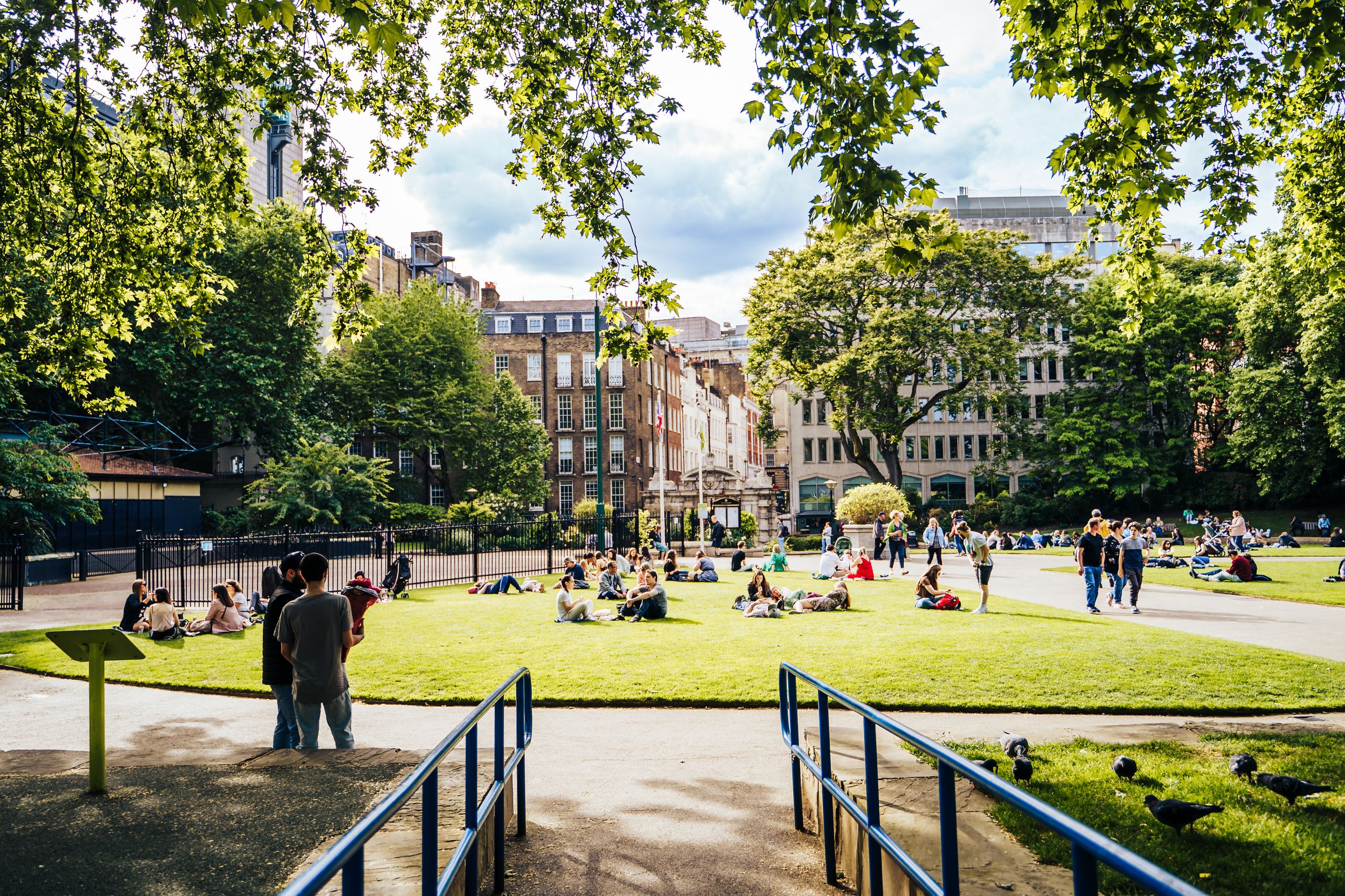
Evening changes those terms. Once the strongest heat fades, children move toward parks, dogs return to sidewalks, and neighbors step outdoors as though the day has finally given everyone permission to occupy it.
That transition feels communal rather than merely meteorological. Streets that seemed abandoned during the afternoon begin carrying music, bicycles, conversation, and the ordinary movement of people reclaiming public space.
The neighborhood does not become entirely different at dusk. It simply becomes available again.
Golden Light Changes the Streets I Thought I Knew
A familiar block can feel newly visible in the evening. The lower angle of the sun changes the color of buildings, softens hard edges, and draws my attention toward details I may have passed without noticing earlier.
A porch plant, brick wall, open window, or broad tree canopy becomes part of the evening’s composition. Nothing in the landscape has necessarily changed, but my attention has shifted enough to recognize it differently.
Walking remains central to how I understand place because movement slows my gaze. Familiar streets stop functioning only as routes and begin revealing texture, personality, and small signs of the people who live there.
Golden light does not make the neighborhood more worthy of attention. It reminds me that beauty was present before I slowed down enough to see it.
A Summer Evening Walk Teaches Presence Over Pace
Not every walk needs a distance goal, route map, or fitness measure. Sometimes I want to move without turning movement into proof that I used the hour well.
No step count needs to justify the walk, and I do not have to reach a landmark before returning home. The experience matters because I was present for it, not because I covered a respectable number of miles.
This understanding connects with what I have learned about choosing presence over pace through slow travel. The same principle that changes how I experience another country can also transform an ordinary evening close to home.
A place opens differently when I stop treating it as something to move through efficiently. Walking slowly gives the evening enough room to become an experience instead of another completed task.
The Day Leaves My Shoulders Gradually
Stress rarely disappears the moment I step outside. During the first few blocks, my mind may continue revisiting conversations, unfinished work, and decisions waiting for tomorrow.
Tension remains in my shoulders while my thoughts keep moving at the speed of the day. Gradually, however, the body begins negotiating another rhythm.
My breathing steadies, my stride becomes less purposeful, and more space appears between one thought and the next. Nothing dramatic happens, yet the accumulated pressure starts losing its grip.
The day does not leave all at once. It loosens step by step, which is often all the relief I need.
Summer Evening Walking Can Be a Form of Rest
Rest is often imagined as complete inactivity, but gentle movement can offer another kind of restoration. Walking allows the body to release some of the tension created through sitting, working, waiting, and carrying too many thoughts at once.
The pace determines whether the walk feels restorative. I am not pushing through exhaustion or forcing movement because rest feels undeserved. Instead, the evening becomes a way of meeting myself where I actually am.
This belongs beside my reflections on why women’s rest and softness are not surrender. Rest can take the form of sleep, stillness, solitude, laughter, or an unhurried walk beneath a changing sky.
Movement does not need to punish the body to be worthwhile. Sometimes it helps the body return to itself.
Neighborhood Life Becomes More Visible at Dusk
Evening reveals a neighborhood through small exchanges. Someone waters plants, a family carries dinner outside, and a person returning from work pauses to speak with a neighbor before going indoors.
These scenes remind me that community often develops through repetition rather than grand declarations. People recognize one another, exchange brief updates, and notice when a familiar face has not appeared for several days.
The relationships may remain light, but they still influence whether a street feels anonymous or inhabited. A nod, greeting, or shared observation about the weather can become part of the social fabric.
A summer evening walk lets me witness that fabric without requiring entry into every conversation. I can feel connected to the life around me while allowing other people’s moments to remain their own.
Women Experience Evening Public Space Differently
Walking alone at dusk can feel peaceful, yet women rarely move through public space without some awareness of safety. I notice who is nearby, whether the street remains active, and how far I am from a route I know well.
Lighting, traffic, visibility, and the atmosphere around me all influence whether my body can relax. That awareness does not erase the pleasure of the walk, but it often travels beside it.
I want women to experience public space without treating vigilance as the admission price. Honest reflection, however, requires acknowledging that softness and alertness frequently occupy the same evening.
A comfortable route gives my attention more freedom. When the surroundings feel reasonably safe, I can notice the sky, architecture, trees, and neighborhood life instead of evaluating every sound as a possible threat.
A Summer Evening Walk Does Not Need an Audience
Golden light makes almost everything look worth photographing. The sky, long shadows, open windows, and familiar architecture can seem to demand documentation.
Sometimes I take the picture because I want to remember what I saw. On other evenings, reaching for the phone interrupts the presence I went outside to recover.
Dusk does not need an audience, and the walk can remain undocumented without losing meaning. Not every beautiful moment must become a post, story, reel, or visual proof that I noticed it.
Attention has value even when nobody else sees the evidence. A private moment can still alter the way I experience the day.
Comfort Helps Me Stay Present on the Walk
A walk feels restorative only when the body can participate without unnecessary distraction. Supportive shoes, breathable clothing, water, and a lightweight layer for changing temperatures can keep discomfort from taking over the experience.
Useful walking and travel essentials from my Amazon travel shop can support that practical ease. The best gear does not need to make an ordinary walk appear adventurous. It should simply help me remain comfortable enough to pay attention.
Comfort is not an indulgence added after movement. It allows movement to remain pleasurable enough to become part of daily life rather than another activity I must recover from.
When the body feels supported, the evening has a better chance of reaching me.
The Quiet After a Summer Evening Walk Matters Too
Returning home can complete the transition the walk began. I may drink water, stretch, sit near an open window, or leave the lights low while the final daylight disappears.
A guided meditation or quiet practice through Calm can help extend that sense of arrival when my mind still carries fragments of the day. No elaborate ritual is required.
The value comes from resisting the urge to rush immediately back into noise. A few quieter minutes allow the body to understand that the demands of the day have ended, even when tomorrow’s responsibilities remain.
Rest often needs a threshold. The walk creates one, and the quiet afterward lets me cross it fully.
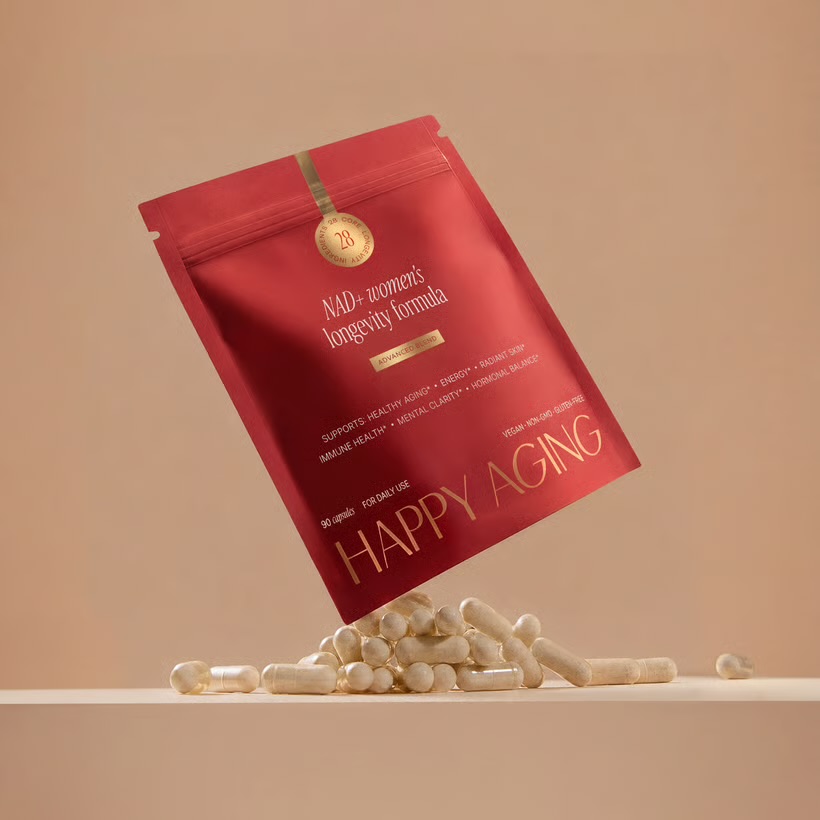
A DG Speaks Recommendation
I want more evenings to walk gently, notice the light, and return to myself one step at a time
I partnered with Happy Aging to share products that support energy, vitality, and a life shaped by movement, reflection, and everyday well-being.
Summer Evening Walks Make Ordinary Time Feel Generous
Nothing exceptional needs to happen for the walk to feel meaningful. I may pass the same houses, hear the same dogs, and follow a route I have taken many times before.
Repetition does not make the evening empty. Familiarity allows smaller differences to become visible: one garden has changed, the sunset reaches another window, or a neighbor who usually remains indoors has brought a chair onto the sidewalk.
Ordinary time begins feeling generous because I am present enough to receive it. The walk reminds me that a life does not need constant novelty to feel awake.
Sometimes richness comes from returning to the same street with enough attention to notice that neither the place nor I am exactly the same.
A Summer Evening Walk Becomes a Small Ceremony of Return
By the time I returned home that evening, the task list still existed. None of the unfinished work had disappeared, and the walk had not solved every concern waiting for me.
Something inside me had shifted anyway. The day felt less attached to my body because I had watched neighbors return to their porches, noticed golden light moving across familiar buildings, and given myself time that did not need to produce anything.
A summer evening walk offers a small ceremony of return. It brings me back to the body after hours spent inside thought, responsibility, and anticipation.
No destination is required. The ritual lives in the transition from heat to softness, work to release, and mental noise to a rhythm simple enough to follow.
Step by step, the world becomes larger than the day’s demands. The sky changes, the neighborhood breathes, and my own pace becomes less urgent.
Dusk does not ask me to improve myself, explain the day, or prepare immediately for tomorrow. It only asks me to notice that the light is leaving beautifully.
Sometimes that is enough to bring my spirit back into the evening.
Continue exploring reflections on summer evening walks, slow living, women’s rest, and the everyday rituals that make life feel more spacious through DG Speaks Culture.