Summer Heat Reveals a City’s Design
I knew the walk was short before I started it.
The map showed less than a mile between where I was and where I needed to go. Under ordinary conditions, the distance would have felt easy.
That afternoon, however, the city seemed to push back against every step.
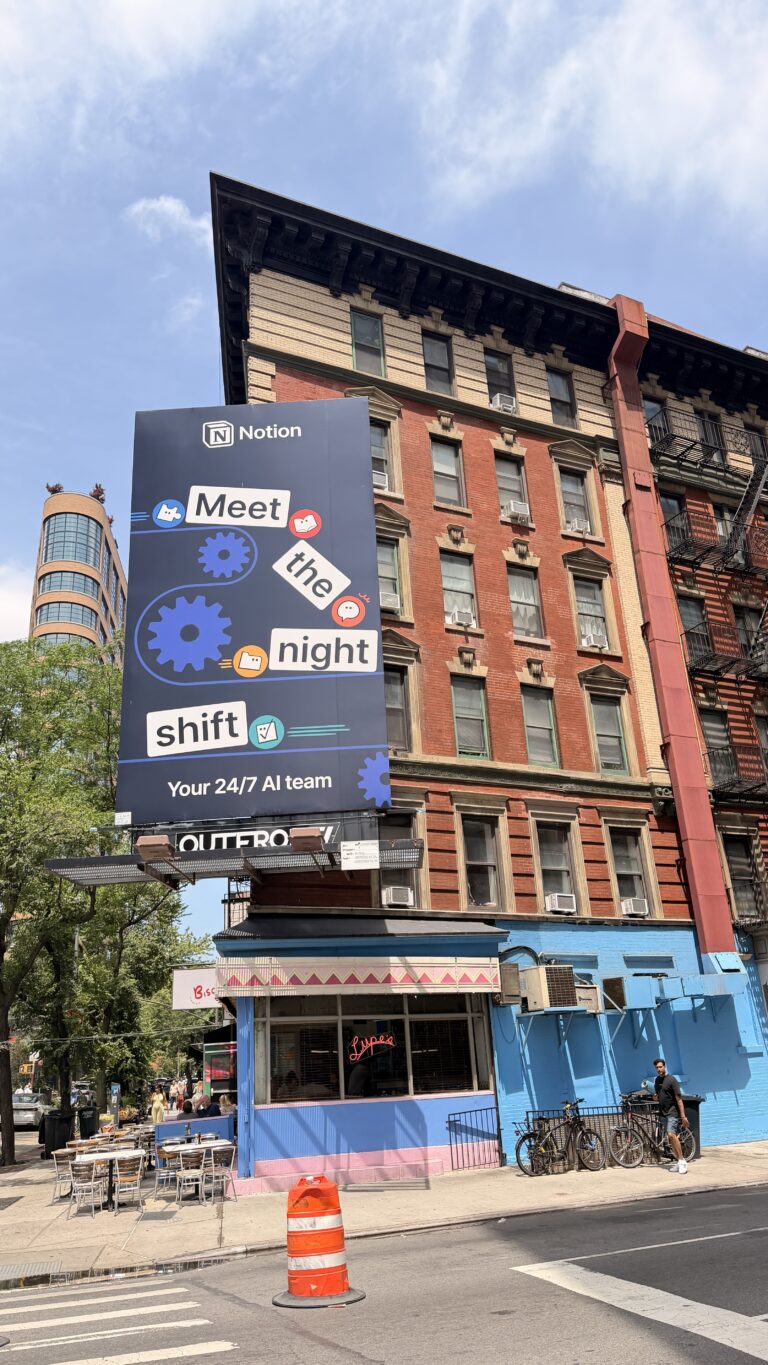
The sun reflected off the pavement. Heat rose from the sidewalk, and the buildings offered almost no shade. I had water, but it had already become warm inside the bottle. There was nowhere to sit, no public fountain, and no open doorway where I could step out of the sun without buying something.
Halfway down the block, I stopped pretending the walk was simple.
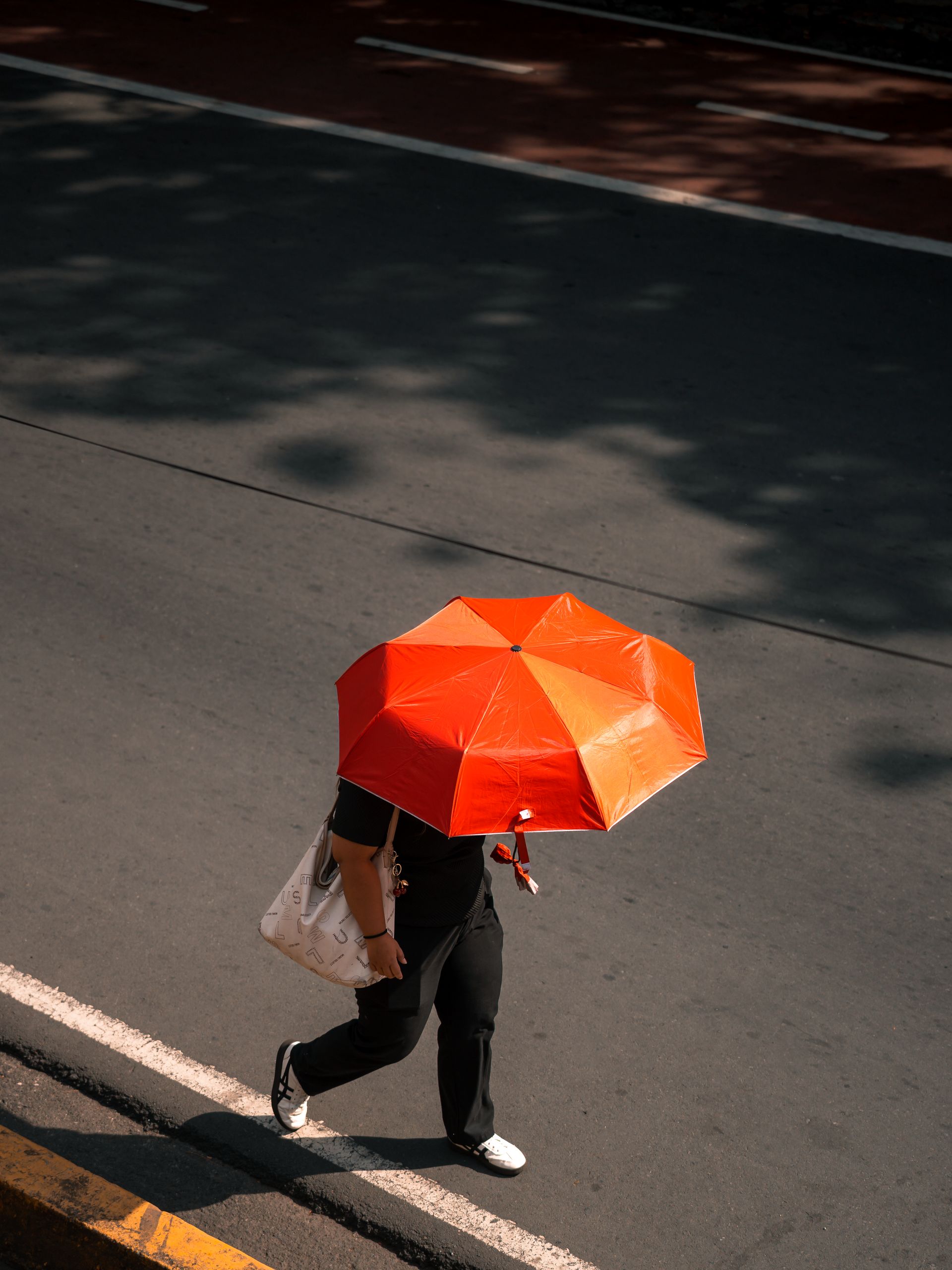
My pace slowed. I began searching for the thin strips of shade cast by traffic signs and building ledges. A woman ahead of me pushed a stroller with one hand while using the other to shield her face. An older man stood beneath the only tree on the block, waiting before attempting the next crossing.
The distance had not changed.
The conditions had.
That is what summer heat in the city reveals so quickly.
A beautiful street can become brutal without shade. A short walk can become punishing when there is nowhere to sit, refill water, or escape direct sun.
Heat turns urban design into something the body can no longer ignore.
The City Looked Different From Inside the Heat
Before that walk, I might have described the street as wide, bright, and open.
In the heat, those same qualities felt hostile.
The openness meant exposure. The wide road created a longer crossing, and the brightness came from sunlight bouncing off concrete, glass, and parked cars.
Urban spaces can appear attractive in photographs while functioning very differently for the people moving through them.
A visitor looking from an air-conditioned vehicle may see clean lines and modern architecture. A pedestrian feels the distance between trees, the absence of benches, and the heat released by pavement long after the sun begins to lower.
The body reads the city differently from the camera.
Heat Tells the Truth Quickly
Extreme heat exposes design decisions that are easier to overlook during milder weather.
It shows which neighborhoods have mature trees, awnings, parks, shaded bus stops, and buildings that offer relief at street level.
It also reveals which communities were left to bake.
One block may contain leafy sidewalks and outdoor seating. A few streets away, people wait for public transportation beside bare asphalt with nowhere to sit.
These differences are not merely aesthetic.
They shape who can move safely, how long someone can remain outside, and whether ordinary errands become physically dangerous.
Shade Is Infrastructure
Shade is often treated as a pleasant extra.
It is not.
A tree canopy lowers exposure. An awning allows someone to wait outside a business, while a covered transit stop protects workers, students, elders, and families who cannot simply retreat into a private vehicle.
Shade extends the amount of time people can safely spend in public.
It supports walking, transit use, outdoor commerce, and social life. Without it, the city becomes less accessible precisely when people need relief most.
Calling shade a luxury allows governments and developers to treat comfort as optional.
In summer, shade becomes public health.
Not Every Tree Protects Every Person
A city may celebrate the number of trees it has while still distributing them unequally.
Tree canopy can vary dramatically between neighborhoods. Wealthier areas often benefit from mature landscaping, larger yards, and long-term investment, while lower-income communities may contain more pavement, industrial land, highways, and fewer protected green spaces.
Planting new trees matters.
So does maintaining them long enough to create meaningful shade.
A small sapling surrounded by concrete may represent future potential, but it cannot yet protect the person waiting for the bus today.
The Bus Stop Reveals What the City Expects People to Endure
I notice bus stops more carefully in summer.
Some offer shelters, seating, lighting, and clear information. Others consist of little more than a sign beside the road.
People stand there in work uniforms, carrying groceries or holding children, while traffic sends additional heat toward the curb.
Reliable transit matters, but the experience of waiting matters too.
A transportation system cannot be considered humane if passengers must endure dangerous conditions before the vehicle arrives.
The stop is part of the journey.
Benches Are a Form of Public Care
Rest should not require a purchase.
Yet many cities provide few places where a person can sit without entering a café, restaurant, or private building.
During extreme heat, that absence becomes especially harsh.
An older adult may need a break before completing the next block. A pregnant person, someone with chronic pain, or a traveler carrying luggage may not be able to continue safely without resting.
A bench does not solve extreme heat.
Placed in shade, however, it acknowledges that real bodies have limits.
Public Water Should Be Easier to Find
Carrying water is one of the simplest ways I prepare for hot weather.
Still, water runs out.
Bottles warm quickly, and not everyone can afford to keep purchasing drinks throughout the day.
Public fountains and bottle-filling stations should be part of heat planning, especially near parks, transit centers, libraries, and heavily walked areas.
Hydration should not depend entirely on personal spending or advance preparation.
A city that expects people to move through extreme heat should help them access water.
Public Restrooms Belong in the Heat Conversation
Encouraging hydration without providing restrooms creates another barrier.
People may limit how much they drink because they do not know where they can safely use a bathroom.
This especially affects older adults, pregnant people, disabled people, children, and anyone managing certain health conditions.
Public comfort requires a system.
Water, shade, seating, bathrooms, transit, and cooling spaces work together. Providing only one while ignoring the others leaves many people without meaningful access.
Heat Is Experienced Through Inequality
People do not enter a heat wave with the same resources.
Some move between air-conditioned homes, cars, offices, and shops. Others work outdoors, wait for buses, live in poorly cooled housing, or cannot afford rising utility costs.
Even the ability to “stay inside” assumes a safe and comfortable inside exists.
An apartment can become dangerously hot. A person experiencing homelessness may be moved away from the very public spaces offering shade.
Heat is weather.
Heat vulnerability is shaped by policy, income, housing, labor, health, and geography.
Outdoor Workers Carry the Heat for Everyone Else
City life continues during hot weather because people continue working.
Construction crews, delivery drivers, sanitation workers, street vendors, landscapers, transit employees, and others remain outside while many customers and office workers seek air conditioning.
Their labor keeps the city functioning.
That work should come with water, shade, breaks, protective equipment, and schedules responsive to dangerous conditions.
Calling workers resilient should never become an excuse for asking them to tolerate preventable harm.
Women Experience Heat Through Safety Calculations Too
Hot weather changes clothing, pace, and the hours when people prefer to move.
For women, those adjustments can carry additional concerns.
Walking early or late may reduce heat exposure but increase anxiety about poorly lit streets. Clothing chosen for comfort may attract unwanted attention.
A route with shade may feel less safe if it is isolated, while a busy route may offer visibility but little protection from the sun.
Women should not have to choose between thermal comfort and personal safety.
Thoughtful design considers both.
Disabled People Cannot Be an Afterthought
Heat can intensify fatigue, pain, sensory stress, and health conditions. Some medications affect the body’s ability to regulate temperature.
A person using a wheelchair may also experience heat rising directly from pavement, while inaccessible fountains and buildings reduce available relief.
Designing for disability improves the city for many people.
Continuous sidewalks, curb ramps, seating, accessible water, cooling centers, and dependable transit are not specialized extras.
They are part of building public space for real bodies.
Children Need More Than a Playground in Full Sun
Playgrounds and schoolyards can become dangerously hot.
Metal equipment, artificial turf, and rubber surfaces absorb heat. A play area may technically remain open while becoming unusable for much of the day.
Children need shade, water, and surfaces designed for rising temperatures.
Parents and caregivers also need somewhere to sit while supervising them.
A playground without protection from heat is not fully accessible simply because the equipment exists.
Older Adults Need Time the Crossing Signal May Not Give
Heat slows people down.
So do age, disability, illness, and fatigue.
Crossing signals that assume a fast walking pace can become frightening when someone is already struggling in the sun.
A humane city gives people enough time to cross without panic.
It also creates medians or refuge points on especially wide roads so one delayed step does not become dangerous.
Efficiency for vehicles should not require urgency from vulnerable pedestrians.
The Unhoused Are Often Removed From the Relief They Need
People without stable housing experience heat with few private options.
Libraries, transit stations, parks, and other public buildings may provide temporary relief. Yet unhoused people are often treated as though their presence makes these spaces less desirable.
Policies may remove them from shade, benches, or air-conditioned public rooms without providing a safe alternative.
A city cannot call itself prepared for heat while criminalizing the people most exposed to it.
Cooling centers must be accessible, welcoming, well-publicized, and reachable without unnecessary barriers.
Community Resilience Must Begin Before the Emergency
Heat waves should not be treated as unexpected surprises each summer.
Preparation can begin earlier through neighborhood networks, cooling plans, tree maintenance, public communication, and outreach to people who may be isolated.
This belongs beside my reflections on why community resilience must begin before a crisis.
Residents should know where cooling centers are, how to reach them, and who may need help getting there.
A strong community does not wait until someone collapses before deciding the heat matters.
Libraries Can Become Climate Infrastructure
Libraries already serve many purposes beyond books.
During extreme heat, they can offer air conditioning, seating, water, information, internet access, and a safe place to remain without requiring a purchase.
That makes them essential public infrastructure.
However, libraries need funding, staffing, extended hours, and policies that allow them to serve people with dignity.
Public institutions cannot absorb every crisis without adequate support.
Small Businesses Often Become Informal Cooling Spaces
On hot days, cafés, shops, and restaurants may offer the nearest available relief.
People step inside, buy a drink, or linger longer than intended because the room is cool.
These businesses can support community comfort, but they should not carry the entire responsibility.
Relief tied to purchasing power excludes people who cannot afford to buy something each time they need shade or air conditioning.
Public comfort must remain public.
Air Conditioning Is Necessary and Complicated
Air conditioning saves lives.
It also consumes energy, raises costs, and can release additional heat into surrounding streets.
The answer is not to dismiss cooling.
It is to combine efficient cooling with better insulation, trees, reflective materials, ventilation, and building design that reduces how much mechanical cooling is required.
Climate adaptation needs immediate protection and long-term change.
People cannot wait for ideal urban redesign while dangerous temperatures are already here.
Concrete Holds the Heat After the Sun Moves
City heat does not disappear at sunset.
Roads, sidewalks, rooftops, and buildings absorb energy throughout the day and release it slowly at night.
That means bodies may receive little opportunity to recover.
People without adequate cooling sleep poorly. Nighttime temperatures remain dangerous, and the next day begins before the body has fully rested.
Materials shape the city’s climate.
Choices about pavement, roofing, landscaping, and building density affect how heat accumulates and moves.
Green Space Must Be Usable, Not Merely Visible
A park can provide meaningful cooling when it contains mature trees, water, seating, and accessible paths.
A decorative patch of grass in full sun offers less relief than its appearance suggests.
Access matters too.
Can residents reach the green space safely? Does it remain open during the hours when people need it, and do all community members feel welcome there?
Green space should support daily life rather than exist mainly as a visual feature on a development plan.
Travel Writing Should Not Treat Heat as Background
Writers often describe summer destinations through sunshine, outdoor dining, bright streets, and long days.
Those images may be accurate.
They can also hide how difficult the season feels for residents and workers.
This connects with my reflections on cultural travel writing grounded in respectful curiosity.
When I describe a destination, I want to notice who is carrying water, who works in the heat, and which neighborhoods offer relief.
The weather affects more than my itinerary.
It shapes daily life.
A Visitor Can Mistake Exposure for Adventure
Travel culture sometimes celebrates endurance.
We walk for hours, ignore thirst, and continue sightseeing because we do not want to waste the day.
Heat exhaustion is not proof of commitment to the destination.
Changing plans can be the more intelligent choice.
A museum, shaded café, library, or quiet afternoon indoors may become part of experiencing the city responsibly.
The itinerary should respond to the body rather than treating the body as an obstacle.
I Still Prepare as an Individual
Urban systems matter, but I also take practical steps.
I carry water, wear breathable clothing, protect my skin, and plan outdoor movement around the hottest hours when possible.
I keep useful travel and warm-weather items in my Amazon shop.
When traveling internationally, I may also use travel medical coverage through SafetyWing for support if an unexpected illness or injury occurs.
Preparation reduces risk.
It does not make unsafe design acceptable.
Personal Responsibility Has Limits
Advice about heat often focuses on what individuals should do.
Drink water. Stay indoors, wear light clothing, and avoid strenuous activity.
These recommendations are useful only when people have access to water, indoor cooling, flexible schedules, and safe housing.
A delivery worker cannot simply stay home. Someone whose apartment lacks air conditioning may be hotter inside than outside.
Public policy must address the conditions shaping individual choices.
Responsibility cannot be placed entirely on the person with the fewest options.
The City Should Not Require Perfect Planning to Survive It
A person may forget a water bottle.
A bus may be delayed, a route may take longer than expected, or the temperature may rise beyond the forecast.
Humane design creates room for ordinary human error.
Water remains available. Shade appears before someone becomes dangerously overheated, and public buildings provide relief without suspicion.
A resilient city does not function only for people who planned every detail correctly.
Cooling Can Become Part of Everyday Beauty
Practical design does not need to be ugly.
Trees, arcades, covered walkways, fountains, shaded courtyards, reflective roofs, and well-designed shelters can add beauty while protecting people.
Some of the most memorable public spaces succeed because comfort and design support one another.
People gather where the environment allows them to remain.
A beautiful place should not punish the body for wanting to experience it.
Public Life Depends on the Ability to Linger
Heat changes whether people stay outside.
Without shade and seating, public space becomes transitional. People hurry through it on the way to somewhere cooled and private.
That weakens street life.
Children play less. Elders remain home, and spontaneous interaction becomes less likely.
Comfort supports community.
A city designed only for movement loses the social life created when people have reasons and permission to stay.
Returning to That Block
By the time I reached my destination, I felt drained by a walk that should have been easy.
I stepped inside, found air conditioning, and drank the rest of my warm water.
Later, I looked again at the route.
The map showed the same short distance.
It could not show how exposed the sidewalk felt, how far apart the trees stood, or how the crossing light required more speed than some bodies could safely give.
The map measured length.
My body had measured design.
Designing for Real Bodies
Summer heat in the city reveals who receives comfort and who is expected to endure.
It exposes differences in shade, transit, water access, housing, public seating, and neighborhood investment.
Heat makes visible what urban design often hides during gentler weather.
People do not move through cities as abstract users.
We move through them as children, elders, workers, travelers, caregivers, disabled people, unhoused people, and women evaluating both heat and safety.
Real bodies become tired. They need water, rest, bathrooms, shade, and enough time to cross the street.
Personal preparation matters. I will continue carrying water, dressing carefully, and adjusting my plans when the temperature becomes unsafe.
But personal preparation cannot replace humane infrastructure.
A city that plans for extreme heat understands that public comfort is not indulgence.
It is dignity.
The best urban design does more than help people survive the distance between two corners.
It gives them enough protection to remain part of public life.
Explore more stories about urban design, climate, walking, and how cities feel at street level through DG Speaks Travel. You can also read more about sustainability, public care, inequality, and community resilience through DG Speaks Culture, or discover how heat shapes markets, restaurants, and food access through DG Speaks Food.