What a Train Station Café Can Teach Me
I once had nearly two hours to wait between trains, and the station offered nowhere comfortable to disappear.
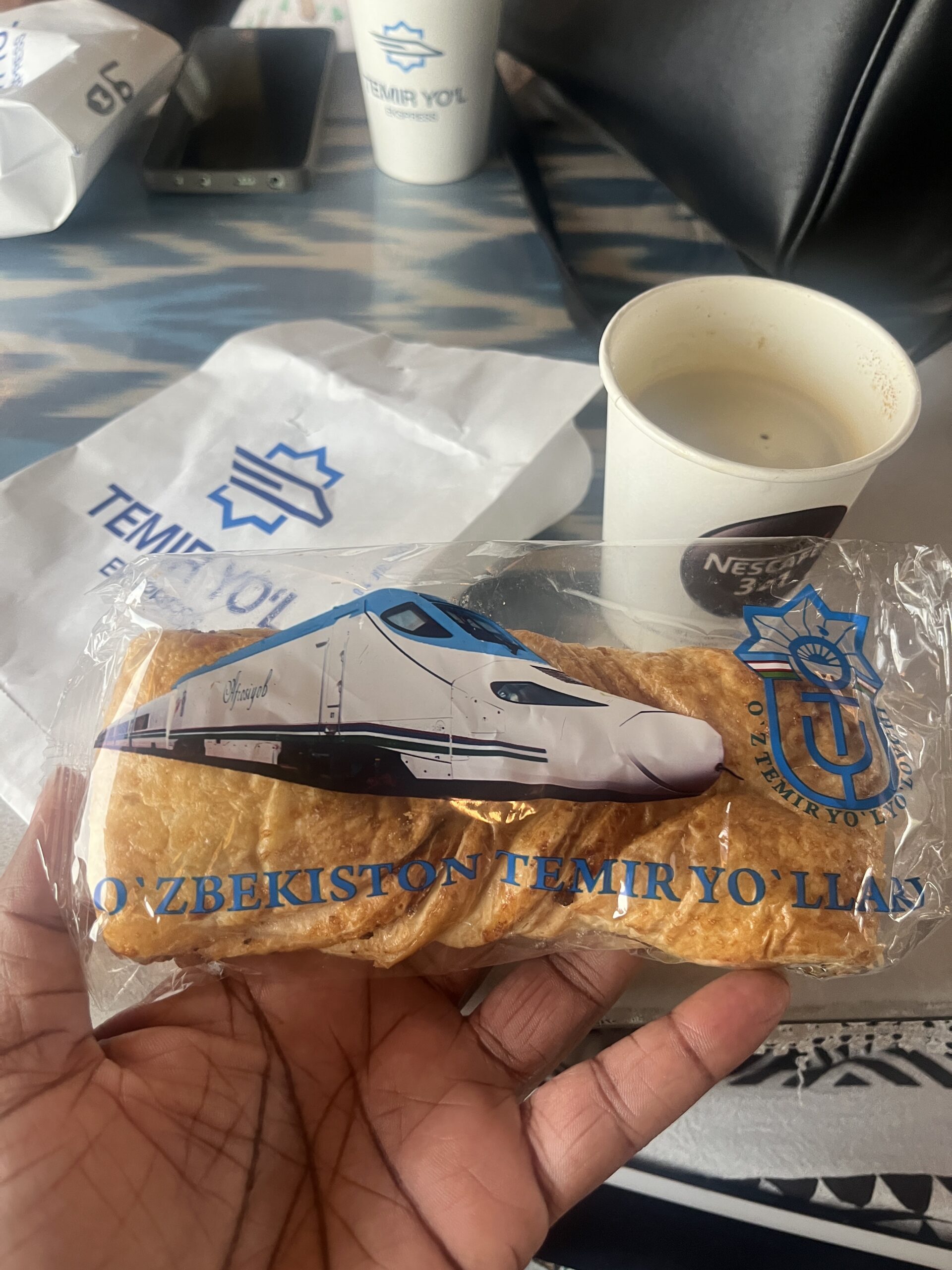
My bag felt heavier than it had that morning. The departure board kept changing, and every announcement echoed through the building in a language I only partly understood. After circling the concourse twice, I found a small café tucked beside the platforms and claimed a table just large enough for my coffee, phone, and backpack.
Nothing about the place looked glamorous. The chairs were practical, the lighting felt slightly tired, and people kept glancing toward the clock. Still, I became fascinated by the room.
A family divided pastries while watching the departure board. A woman in a business suit typed quickly with one hand and held an espresso in the other. Across from me, an older man rested both hands on his suitcase as though it contained something more precious than clothing.
Everyone sat between one place and another.
That afternoon reminded me why a train station café can become one of the most revealing places in a city. Nobody comes there only for the coffee. We arrive carrying schedules, worries, reunions, departures, and the strange emotional weight of waiting.
The Coffee I Bought to Earn a Chair
I did not choose the café because I had researched it. No food writer had placed it on a list, and I doubt anyone planned an entire afternoon around its menu.
I bought coffee because I needed somewhere to sit.
Travel often makes ordinary comforts feel more valuable. A chair becomes a small luxury after standing beneath a heavy bag. An electrical outlet can influence where I spend the next hour, while a clean bathroom may determine whether I remember a station fondly.
The coffee itself tasted fine. It was hot, strong, and exactly what I needed.
However, the real purchase was time.
That cup allowed me to stop moving without feeling as though I had abandoned the journey. I could set my bag down, recharge my phone, and gather myself before the next platform announcement.
Sometimes, hospitality begins with nothing more complicated than a safe place to pause.
Departure Boards Make Everyone Look Up at Once
A train station café never fully separates itself from the station.
Conversations rise and fall, but everyone remains alert to the board. One change can shift the entire mood of the room.
A platform number appears, and several people stand immediately. Another train receives a delay, prompting sighs, phone calls, and quick decisions about whether to order something else.
I love the moment when an announcement interrupts everyone at once.
Heads turn. Hands reach for tickets. People who looked relaxed seconds earlier begin gathering scarves, children, coffee cups, and half-zipped bags.
Then, the room changes again.
Some tables empty while new travelers arrive carrying the urgency of another schedule.
The café never belongs to one group for long.
Every Table Holds a Different Kind of Leaving
Not all departures feel the same.
One traveler may be heading home after a routine work trip. Another person could be leaving someone they love without knowing when they will return.
A student might be moving toward a new life. Meanwhile, a family gathers around a table because the train will soon divide them.
From the outside, everyone simply looks like a passenger.
Yet, train stations contain quiet emotional extremes.
There are reunions, endings, ordinary commutes, nervous beginnings, and journeys taken because no other choice felt possible. A suitcase cannot explain why someone packed it.
Sitting in the café, I become aware of how little I know about the lives moving around me.
That awareness encourages humility.
I may notice a face or invent a story, but the person belongs to themselves. Observation should deepen curiosity, not turn strangers into characters I believe I fully understand.
The Woman Who Kept Checking the Door
At another station, I watched a woman look toward the entrance every few minutes.
She had not touched the drink in front of her. Her coat remained buttoned, and one hand rested on the handle of a suitcase.
Then, someone entered the café.
Her entire face changed.
She stood so quickly that the chair moved backward, and the two women embraced beside the table. Suddenly, the untouched coffee made sense. She had not been waiting for a train. She had been waiting for a person.
The moment lasted only a few seconds, but I still remember it.
Travel writing often focuses on destinations. Yet, human movement matters because of who waits at either end.
A railway line connects cities. It also connects lives.
Breakfast Can Taste Like Relief
Station food does not need to become extraordinary to feel meaningful.
After an early departure, a warm pastry can taste like rescue. Soup feels generous after hours in cold weather, while a simple sandwich may restore patience before a delayed connection.
Hunger changes how I experience transit.
When I forget to eat, every problem feels larger. A confusing platform becomes infuriating. The weight of my bag seems unreasonable, and even a short delay feels personal.
Food brings me back to myself.
I have learned not to treat meals as optional simply because I am moving. Travel days require energy, especially when they involve stairs, crowded platforms, and constant decision-making.
A café meal may not become the culinary highlight of the trip. Still, it can protect the entire day from unraveling.
The Suitcase Gets Its Own Chair Until the Room Fills
Luggage changes the social rules of a café.
When the room is empty, a bag may sit comfortably beside its owner. As more travelers arrive, everyone begins negotiating space.
Suitcases move beneath tables. Backpacks hang from knees, while coats become cushions, pillows, and makeshift barriers around personal belongings.
I notice how travelers position their bags.
Some wrap a strap around an ankle. Others keep a hand resting on the handle without appearing conscious of it. A few place everything in a careless pile and trust the room completely.
Travel makes security part of body language.
Even during a peaceful cup of coffee, part of my attention remains connected to my belongings. I know where my passport sits, whether the zipper faces me, and how quickly I could gather everything if the platform changes.
Relaxation has limits when my entire temporary life fits inside one bag.
A Café Can Reveal the Rhythm of the City Outside
Stations often serve as concentrated versions of their cities.
The pace of service tells me something. In one place, people drink espresso quickly while standing. Elsewhere, travelers sit with full breakfasts and appear unconcerned about lingering.
The menu offers clues too.
A station café may sell regional pastries, local sandwiches, or familiar foods designed for people who need something fast. The prices reveal whether the space primarily serves residents, commuters, or visitors with limited alternatives.
Even the crowd tells a story.
Students, office workers, families, tourists, and older residents may share the same room while moving for completely different reasons.
I have written about how local restaurants teach me how a city feels. A station café offers another version of that lesson.
It shows me the city in motion.
The Language of Pointing Works Surprisingly Well
Ordering food during travel can become a small test of confidence.
I may not know the word for a particular pastry or understand every option written above the counter. The line behind me makes hesitation feel more visible.
So, I point.
I smile, attempt the word, and hope my pronunciation causes no international incident.
Most interactions end without drama.
A worker gestures toward a size or asks a question I cannot follow. We use hands, numbers, and whatever shared vocabulary exists between us.
These exchanges remind me that communication does not require perfection.
Respect matters more than fluency.
I can greet the person, pay attention, and avoid treating their language as an inconvenience. A few local words signal that I understand I have entered someone else’s environment.
The Worker Behind the Counter Knows Who Has Time
Station café workers read urgency quickly.
They know the person who needs coffee before a train leaves in four minutes. Another customer has time for a full meal and will probably ask where to charge a phone.
The staff moves between those needs all day.
They answer repeated questions, handle impatient travelers, clean tables, and continue serving while announcements interrupt every conversation.
The work requires efficiency, but it also requires emotional skill.
A traveler who feels anxious about missing a train may direct that stress toward the person behind the counter. Language differences can create frustration, while delays outside the café affect the mood inside it.
I try to remember that the worker did not delay the railway.
They simply stand close enough to absorb everyone’s reaction.
Slow Travel Still Includes Fast Connections
I value slow travel because it allows me to experience a place beyond its major attractions.
However, moving slowly does not mean every part of the journey feels calm.
Connections can still be tight. Trains may change platforms, and luggage must move quickly through unfamiliar stations.
The difference lies in how I shape the overall experience.
I no longer want every destination compressed into the smallest possible window. Leaving room between trains gives me time to eat, observe, and recover instead of treating the entire journey like a race.
That approach connects with my reflections on choosing presence over pace through slow travel.
A longer connection may look inefficient on paper. Yet, it can make the day feel more humane.
Delay Changes the Flavor of Everything
The same café can feel completely different after a delay.
At first, extra time seems almost useful. I order another drink, answer messages, or review plans for the next city.
After another hour, patience begins thinning.
People return to the counter for updates that café workers cannot provide. Phones come out repeatedly, and every announcement becomes a source of hope or frustration.
A delayed journey creates temporary community.
Strangers begin asking one another what they heard. Someone translates the announcement, while another traveler shares a charging cable or watches a bag during a bathroom trip.
Inconvenience can make people more generous.
It can also make them much less pleasant.
A train station café holds both possibilities.
The Table Becomes a Small Office
Modern travel often includes work.
Laptops open beside coffee cups. Headphones appear, and someone begins a video call while departure announcements continue in the background.
I have written from station cafés too.
The setting can make concentration difficult, but it also creates momentum. I know the time is limited, so I focus differently.
A table becomes a temporary office.
I answer emails, organize photographs, or write down details before they disappear from memory. The station provides the deadline because eventually, my train will arrive.
Still, I try not to spend the entire pause inside a screen.
The people around me are part of the journey too.
The Child Who Treated the Station Like an Adventure
Adults often experience stations through logistics.
We think about tickets, times, luggage, and whether the platform requires another staircase.
Children notice something else.
They watch trains arrive with enormous excitement. Automatic doors become fascinating, rolling suitcases turn into toys, and announcements sound important even when nobody understands them.
I once watched a child press both hands against a café window as a train entered the station.
His joy changed the room.
Several adults looked up from their phones and followed his gaze. For a brief moment, the train stopped being transportation and became something remarkable again.
Travel can make me tired enough to forget wonder.
Children often return it without trying.
Older Travelers Carry a Different Kind of Patience
I also notice older travelers in station cafés.
Some move slowly but prepare carefully. Tickets remain organized, snacks appear at the right time, and nothing important disappears into the bottom of a bag.
Others look exhausted by stations that demand speed, stairs, and long walks.
Transit design affects people differently.
A connection that seems easy to a young traveler may become difficult for someone managing pain, limited mobility, or heavy luggage.
Watching these differences reminds me to question what travel systems assume about the body.
Efficiency often gets measured through speed.
Accessibility asks whether everyone can move with dignity.
Transit Spaces Reveal Who Gets to Move Easily
Train travel often carries a romantic image.
We imagine scenic windows, elegant stations, and effortless movement between cities. The reality depends on infrastructure, income, citizenship, disability, and documentation.
Some travelers move freely.
Others face visa restrictions, expensive fares, inaccessible platforms, or increased scrutiny. A station may represent adventure to one person and necessity to another.
This is why I value cultural travel writing rooted in respectful curiosity.
Movement has social and political meaning.
I do not want to describe transit only through my pleasure when the same system creates different experiences for other people.
The café offers a comfortable seat, but the station surrounding it reflects a much larger world.
A Sandwich Can Carry Me Further Than Enthusiasm
Travel excitement sometimes convinces me that I do not need to eat properly.
I can survive on coffee, adrenaline, and the promise of dinner after arrival.
Then, the train gets delayed.
Suddenly, the meal waiting at the destination feels very far away.
I have learned to buy food before hunger becomes a problem. A sandwich, fruit, or simple snack can protect me when the journey changes.
Station cafés may charge more than a supermarket. However, convenience has value when every alternative requires leaving the building with luggage.
I still compare options when time allows.
Yet, I no longer treat feeding myself as an avoidable expense.
The Best Seat Has a View of Both the Door and the Board
Travel has made me strategic about seating.
I want to see the departure board without twisting around every few minutes. The door should remain visible, and my luggage needs to fit without blocking the aisle.
An electrical outlet creates instant competition.
Once I find a useful table, I settle carefully.
Phone charging begins immediately. I keep the ticket accessible and place my bag where another person cannot easily reach it.
These small rituals help me relax.
Preparedness creates room for observation.
When I know my belongings, battery, and schedule remain under control, I can look around and notice the life passing through the café.
The Station Café Is Never Quite Inside the City
A station belongs to its city, yet it also sits slightly apart from it.
Travelers pass through without seeing much beyond the platforms. Shops and cafés serve people who may know nothing about the surrounding neighborhood.
The station becomes its own temporary world.
Prices, menus, signs, and security respond to movement rather than local routine alone.
For that reason, I do not mistake a station café for a complete picture of local food culture.
It offers clues, not conclusions.
Once I arrive, I want to leave the transit zone and explore the city beyond it. Local restaurants, markets, and neighborhood cafés reveal different rhythms.
The station introduces me.
The streets continue the conversation.
A Planned Experience Can Give the Arrival Some Shape
After hours in transit, arriving in a new city can feel disorienting.
I may know the address of my accommodation but very little about the place around it.
A carefully chosen tour or cultural experience can help me understand the destination once I settle in. I browse options through GetYourGuide when I want a walking tour, food experience, museum visit, or day trip.
Booking something for the first full day can give the journey structure.
Still, I avoid scheduling an important activity too close to arrival.
Train delays, fatigue, and navigation problems can turn an exciting plan into unnecessary pressure.
The station café has taught me that transportation controls more of the day than optimism admits.
The Bed at the Other End Matters More as the Day Gets Longer
During a long travel day, my accommodation becomes increasingly important.
At first, I may feel excited about the city. After several connections, I mainly want a clean, safe place to put down my bag.
I use Hostelworld when searching for affordable stays, especially during solo or extended travel. Recent reviews can reveal whether the location works well for train arrivals, late check-in, and travelers carrying luggage.
Distance on a map can be deceptive.
A hostel may sit near the station but require stairs, steep streets, or several complicated crossings.
By the time I finish the last coffee of the day, those details matter greatly.
Night Stations Carry a Different Kind of Tension
A train station changes after dark.
The crowd thins, shops begin closing, and the café may become one of the last bright places available.
I become more alert.
Transportation options narrow, and an unfamiliar neighborhood feels harder to read. I check the route to my accommodation before leaving the station.
When possible, I avoid arriving late without a clear plan.
Still, travel does not always cooperate.
During those moments, a station café can provide somewhere to wait while I confirm directions, contact a host, or arrange safe transportation.
Light, people, and an open business offer a temporary layer of security.
The Last Sip Before the Platform
Eventually, my train appears on the board.
The waiting ends quickly.
I close tabs, unplug the phone, pull my coat around me, and check beneath the table before leaving. Every traveler develops that final glance for forgotten chargers and bags.
The coffee may still sit unfinished.
I take one last sip, though it has gone lukewarm, and join the movement toward the platform.
The café releases me back into the station.
A few minutes earlier, I had a table and a temporary sense of place. Now, I become part of the crowd again.
The Rooms Between Destinations Matter Too
Travel stories often jump from departure to arrival.
We describe the city we left and the place we reached. The hours between them become logistical filler.
I think they deserve more attention.
Transit spaces reveal how people wait, worry, eat, work, reunite, and say goodbye. They show us at our most practical and sometimes our most vulnerable.
A train station café holds all of that for the price of a coffee.
It offers a chair while my life remains packed inside a bag. Around me, other travelers prepare to move toward stories I will never know.
For a little while, we share the same room.
Then, an announcement comes, chairs scrape against the floor, and everyone begins leaving in different directions.
That pause before the platform is part of the journey too.
I like paying attention to it.
Explore more reflections on trains, slow journeys, and the spaces between destinations through DG Speaks Travel. You can also discover stories about meals on the road through DG Speaks Food and read more about human movement, identity, and belonging in DG Speaks Culture.