Women Taking Up Public Space Changes the Room
I noticed her because she was laughing without lowering her voice.
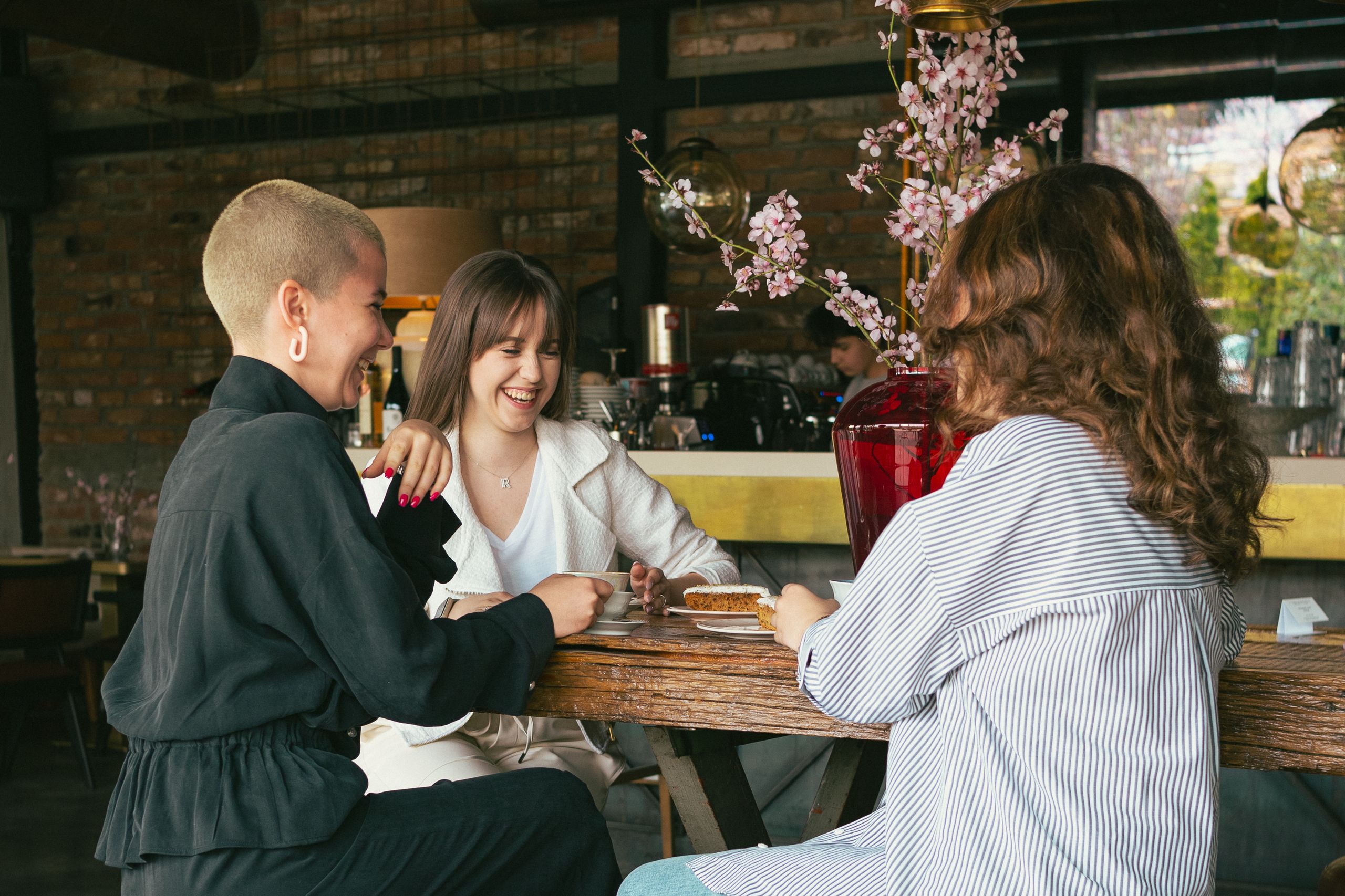
She sat with several women at a restaurant table near the center of the room. Their plates had mostly been cleared, but none of them seemed eager to leave. One woman leaned back in her chair. Another spoke with her hands, and then the entire table erupted again.
The laughter moved beyond them.
People nearby looked over briefly. The women noticed, but they did not become smaller. Nobody apologized, covered her mouth, or leaned forward to contain the joy within the boundaries of the table.
They simply kept enjoying one another.
I remember watching them and thinking about how ordinary the scene should have been.
Women were eating dinner. They were talking, taking their time, and occupying enough space for their presence to be felt.
Still, something about the moment felt quietly powerful.
Women learn early that being visible in public comes with rules. We should be aware but not fearful, confident but not intimidating, attractive but not inviting, friendly but not too available.
We can speak, but should watch our volume. We can take up space, provided nobody believes we are taking too much.
Those lessons may help us navigate real risks.
They can also teach us to shrink before anyone has directly asked us to.
That is why women in public space matter.
A woman laughing loudly at dinner, walking alone with confidence, resting in a park, leading a conversation, or dancing without checking whether she appears graceful is doing more than merely existing.
She is showing what it looks like when a woman’s life does not remain confined to private labor, quiet endurance, or carefully managed visibility.
The Body Learns the Rules Before Anyone Explains Them
Many lessons about public space arrive without formal instruction.
A girl watches how adults respond when she becomes too loud. She notices which streets women avoid and how quickly they reach for their keys before entering a parking lot.
She hears warnings about clothing, eye contact, strangers, darkness, and the danger of appearing distracted.
Eventually, those warnings become physical habits.
We scan entrances. We choose seats that allow us to see the room, and we monitor who is walking behind us. We carry bags close, keep phones available, and calculate whether a route will still feel safe by the time we return.
Some of that awareness is necessary.
Women face real harassment, violence, and scrutiny in public places. Pretending otherwise does not create freedom.
Yet, constant vigilance carries a cost.
The body can begin treating public life as something to endure rather than enjoy.
Being Seen Is Not Always the Same as Being Free
Women are highly visible in public culture.
Our bodies appear in advertising, entertainment, fashion, and endless public commentary. People notice what women wear, how they age, whether they smile, and whether they appear appropriately feminine.
That visibility does not automatically create freedom.
Often, it produces surveillance.
A woman may be seen while still feeling that she does not control the meaning attached to her presence. Her confidence becomes arrogance. Her solitude becomes vulnerability, while her friendliness is interpreted as invitation.
Even rest can become subject to judgment.
A man sitting alone in a park may look peaceful. A woman doing the same may be asked whether she is waiting for someone, needs help, or should be more careful.
Freedom requires more than being visible.
It requires the right to exist without every gesture becoming available for interpretation.
Walking Alone Becomes a Public Declaration
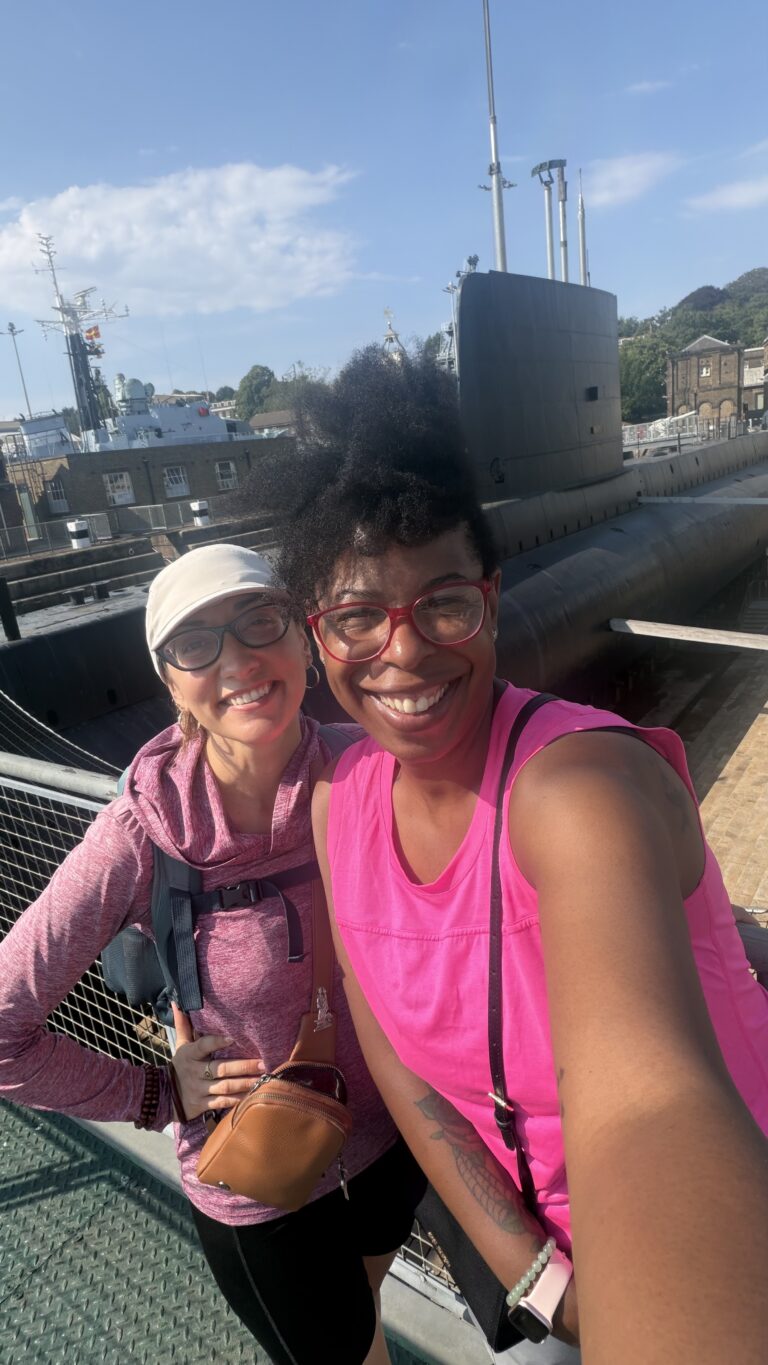
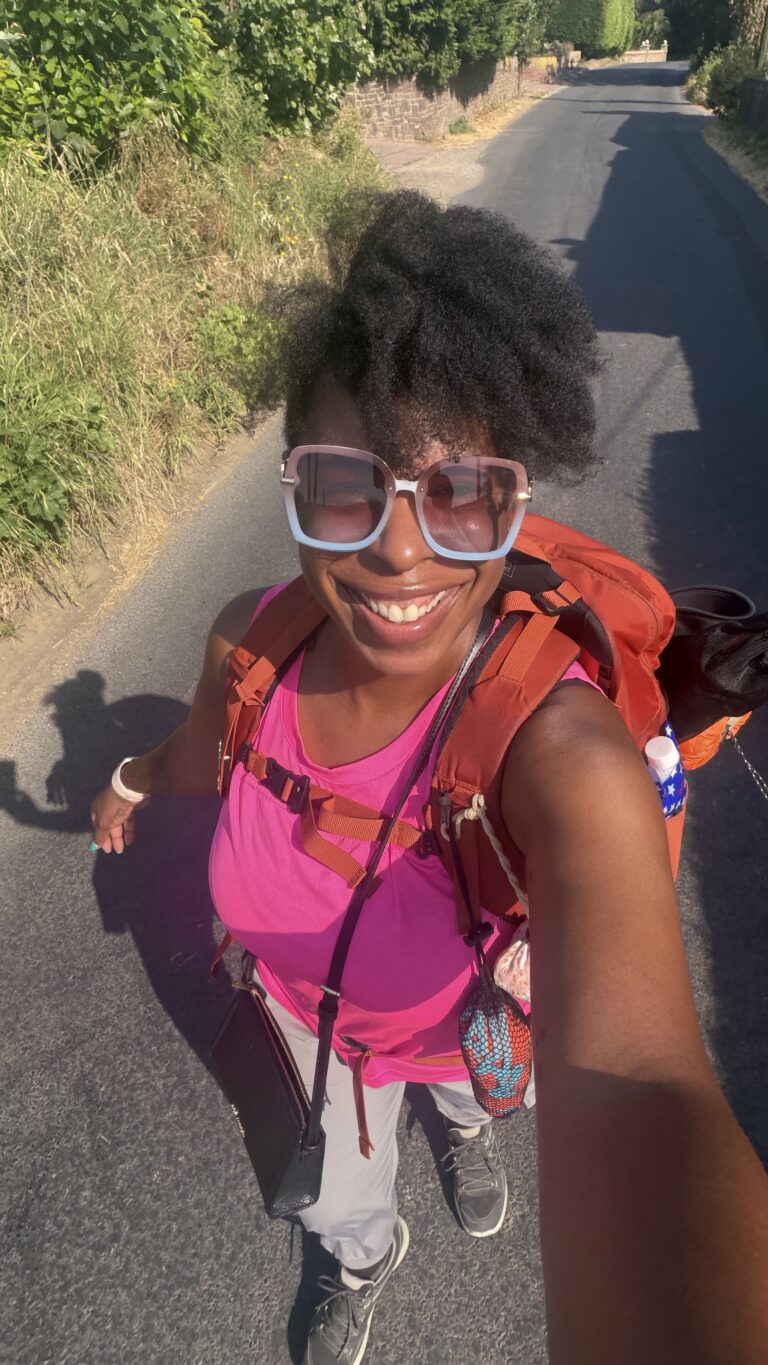
When I walk alone in a new city, the experience carries both pleasure and calculation.
I enjoy choosing my route, changing direction, and stopping whenever something catches my attention. I do not need to match another person’s pace or justify why I want to keep walking.
That freedom connects with what I have learned about finding confidence and my own rhythm through solo travel.
Still, I remain aware of my surroundings.
I notice lighting, open businesses, other pedestrians, and whether a street gives me room to change direction. Confidence does not mean refusing to acknowledge risk.
For me, it means refusing to let risk become the only story.
A woman walking alone is not necessarily lost, lonely, or waiting for someone to join her.
She may simply know where she is going.
She may also be wandering because she trusts herself enough not to need a fixed destination.
The Right to Move Includes the Right to Move Slowly
Women’s movement through public space is often evaluated through purpose.
We are going to work, collecting children, shopping, exercising, or completing another recognizable task.
Wandering can appear less legitimate.
A woman moving without urgency may attract attention because she is not clearly serving anyone or heading somewhere productive.
That is one reason slow walking feels important to me.
I want to move through a city without having to prove that I belong there through speed or purpose.
I can pause at a window. I can sit on a bench or change my mind about where I am going.
Public life should allow women more than safe passage between responsibilities.
We deserve time to experience the world between destinations.
Resting in Public Can Feel Surprisingly Radical
Women are often visible while doing.
We carry bags, answer questions, tend to children, serve food, organize gatherings, or manage the countless small tasks that keep life moving.
A woman resting interrupts that familiar image.
She is present without providing a service.
This belongs beside my reflections on women, rest, and why softness is not surrender.
Rest is frequently treated as something women should earn after everything else has been handled.
In public, the expectation becomes even more visible.
Sitting alone with no obvious task can feel indulgent because women are taught to connect worth with usefulness.
A park bench should not require justification.
Neither should a long lunch, a quiet cup of coffee, or an afternoon spent reading where other people can see us doing nothing for them.
Joy Is Not a Distraction From Serious Life
Women’s pain receives attention, although not always justice.
Stories about sacrifice, resilience, violence, and hardship often become the primary way women are represented.
Those stories matter.
However, public joy matters too.
A group of women laughing over dinner challenges the idea that our lives are defined only by what we survive. Dancing, celebration, play, beauty, and pleasure are not frivolous interruptions from more important subjects.
They are part of a full human life.
Joy becomes a public claim when women practice it without apology.
It says that we are not here only to labor, care, endure, and recover.
We are also here to enjoy one another and ourselves.
Some Women Are Given More Freedom to Be Visible
Public space does not treat all women equally.
Race, class, age, disability, gender expression, body size, and perceived sexuality shape how a woman’s presence gets interpreted.
One woman’s confidence may be celebrated while another’s is treated as aggression. Behavior described as carefree in a young woman may be judged as inappropriate in an older one.
Black women can face assumptions that our voices, bodies, and emotions are excessive before we have done anything at all.
Women with disabilities encounter spaces that claim to be public while remaining physically inaccessible. Trans women and gender-nonconforming people may face direct hostility simply for being visible.
Talking about women in public space requires attention to those differences.
There is no single female experience of the street.
Respectability Has Never Guaranteed Safety
Women often receive the message that careful behavior will protect us.
Dress correctly. Avoid certain places. Do not drink too much, speak too loudly, or travel alone.
These instructions suggest that safety can be secured through perfect conduct.
They also shift responsibility away from the people causing harm.
Respectability may change how others interpret a woman. It has never guaranteed protection.
Women experience harassment while working, commuting, exercising, shopping, and wearing every imaginable kind of clothing.
Safety cannot depend entirely on women making themselves smaller, quieter, and less visible.
The culture must change around us.
Public Space Is Designed Through Assumptions
Streets, parks, transit systems, restaurants, and public buildings reflect decisions about whose needs matter.
Lighting affects whether women feel comfortable walking after dark. Clean, accessible restrooms influence how long someone can remain away from home.
Benches, sidewalks, childcare facilities, and dependable public transportation shape who can use the city with ease.
Design is not separate from gender.
A city that expects everyone to move quickly, carry little, and travel without caregiving responsibilities reflects a narrow model of public life.
Women’s freedom cannot be reduced to personal confidence.
The environment must support that confidence.
A Room Can Welcome Women and Still Ask Them to Perform
Restaurants, hotels, cultural spaces, and nightlife venues often advertise themselves as welcoming to women.
The welcome may be real.
Still, it can arrive with expectations.
Women are encouraged to look attractive, socialize pleasantly, and contribute to the atmosphere. The space values our presence partly because of what that presence provides.
I want rooms where women do not need to decorate the experience for everyone else.
We should be able to arrive tired, quiet, serious, joyful, uncertain, or fully ourselves.
Belonging means more than being admitted.
It means not having to perform the version of femininity the room finds easiest to receive.
The Table Can Become a Place of Authority
Women have long gathered around tables, often while serving everyone else.
There is another kind of table I value—the one where women lead the conversation.
They exchange ideas, disagree, make plans, tell stories, and speak from expertise without waiting for permission.
Public authority is not only exercised from podiums and official offices.
It also emerges in restaurants, cafés, community rooms, and shared workspaces where women decide that their thoughts deserve room.
When a woman speaks and others lean in to listen, the room changes.
Her voice becomes part of the public record, even when no microphone is present.
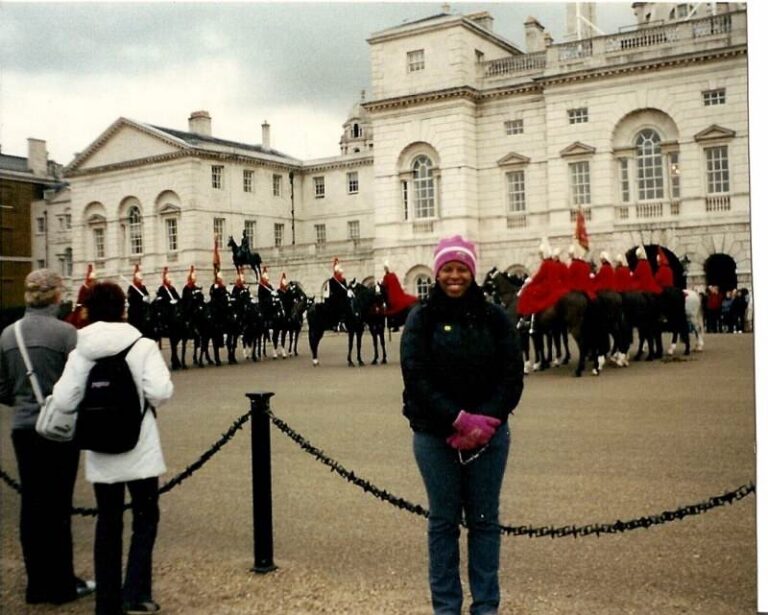
Travel Can Expand a Woman’s Sense of What Is Possible
Moving through new places can reveal how differently women inhabit public life.
In one city, women may fill cafés late into the evening. Somewhere else, public parks remain male-dominated, especially after dark.
I notice who sits alone, who cycles, who leads tours, and which generations of women move comfortably through the streets.
These observations do not give me the full story.
A place that looks liberating to a visitor may feel very different to the women who live there.
Still, travel can widen my imagination.
Seeing women move with ease reminds me that the restrictions I have learned are cultural, political, and designed—not inevitable.
Practical Support Can Make Movement More Possible
Confidence grows through experience, but preparation matters.
A thoughtful walking or cultural experience booked through GetYourGuide can help a woman understand a new destination before exploring independently.
When comparing accommodations, I may use Hostelworld to review location, atmosphere, and the experiences of other travelers. I may also choose travel medical coverage through SafetyWing for added support while abroad.
These resources can reduce uncertainty.
They cannot eliminate every risk or replace judgment.
More importantly, women should not need flawless planning to deserve freedom of movement.
Preparation supports the journey.
It should not become another way to blame women when something goes wrong.
Being Careful and Free Are Not Opposites
I do not believe women must choose between fearlessness and confinement.
I can research a route, tell someone where I am going, and change plans when a situation feels wrong.
I can also walk, travel, dine, and explore without describing every act of independence as reckless.
Care can support freedom.
The problem begins when safety advice becomes a cage built around women’s lives.
No amount of caution can remove all uncertainty.
A full life requires some movement through what cannot be perfectly controlled.
Women Gathering Changes the Emotional Geography
A group of women can transform a space simply by settling into it.
A table becomes louder. A park feels more social, and a street begins carrying another kind of energy.
This is particularly meaningful in places where women have been discouraged from gathering without male supervision or a clear domestic purpose.
Women talking together create networks.
They exchange information, offer support, make plans, and recognize one another’s experiences. Public gathering can become both pleasure and infrastructure.
Friendship helps women move through the world more freely.
It also reminds us that our private struggles may have public causes.
Public Presence Creates Cultural Memory
Who appears in public becomes part of how a place remembers itself.
Street photographs, restaurant stories, festivals, protests, and everyday scenes form a cultural archive.
If women appear only as workers, caregivers, victims, or decorative figures, the record remains incomplete.
I want images and stories of women taking up space in ordinary ways.
Women reading alone. Older women traveling together. Black women laughing loudly over dinner, girls playing without being told to become more ladylike, and women leading conversations that shape what happens next.
Ordinary visibility has historical value.
The Goal Is Not Constant Confidence
Women do not need to move through every space feeling powerful.
Sometimes, I feel uncertain. I enter a room and wonder where to sit, whether I belong, or how I will be received.
Freedom should not require performing fearlessness.
I can feel nervous and still remain.
I can ask a question, seek help, or leave when a space does not feel right.
Confidence is not a permanent personality trait.
It often grows through small experiences of discovering that I can enter, participate, adjust, and try again.
A Room Wide Enough for Us
I kept thinking about the women at that restaurant table after I left.
Their laughter had not changed public policy or redesigned the city. Still, it changed the room.
It reminded me that freedom is practiced through ordinary acts.
A woman takes the seat she wants. She speaks without beginning every sentence with an apology, walks alone, rests where she can be seen, and allows joy to move beyond the boundaries of her body.
Women in public space matter because public life helps define whose lives are considered fully human.
Women deserve movement and ease.
We deserve safety that does not depend on invisibility, rest that does not require exhaustion, and pleasure that does not need to be defended as productive.
I want more streets, parks, tables, transit systems, cultural spaces, and rooms where women do not have to shrink in order to feel safe.
I want girls to grow up seeing women inhabit the world in every possible way—working, leading, wandering, laughing, debating, resting, aging, traveling, and enjoying themselves.
A fuller culture requires our full presence.
Not only the version of us that is helpful, polite, beautiful, and easy to accommodate.
All of us.
Our voices, bodies, ideas, caution, confidence, softness, anger, humor, authority, and joy belong in the room.
Public space changes when women claim it.
Culture changes when we stop treating that claim as exceptional.
Explore more stories about women, gender, belonging, and public life through DG Speaks Culture. You can also read more about women moving independently through the world in DG Speaks Travel, or discover how restaurants and shared tables create spaces for connection through DG Speaks Food.