Why I Want This Year to Feel More Lived In
I do not want to reach the end of a year and realize I spent most of it arranging my life instead of living it.
A calendar can look full. A home can appear polished, and a social feed may suggest momentum. Still, none of those things guarantees that I felt present inside my own days.
I want a lived-in life, one with texture, movement, meals, rest, laughter, questions, unfinished ideas, and enough truth to recognize myself in it.
That kind of life may not photograph perfectly. It may look inconsistent from the outside. Yet I would rather inhabit something real than spend another year performing a version of fulfillment.
The Calendar Cannot Tell the Whole Story
Calendars record appointments, deadlines, trips, and commitments.
They do not show how a conversation changed me, whether a meal felt nourishing, or how often I moved through the day disconnected from my own body.
A crowded schedule can hide loneliness. An open week may contain rest, recovery, or meaningful work that produces no public event.
I still use calendars because time needs structure. However, I no longer confuse scheduled activity with a fully lived life.
A Fresh Date Cannot Create a Fresh Self
New years, birthdays, seasons, and Mondays offer psychological starting points.
I appreciate that sense of beginning. Still, a date cannot replace attention.
A fresh page becomes useful only when I notice how I am already living. Which habits support me? Where does my energy disappear? What keeps returning, despite my attempts to organize it away?
My reflection in I Do Not Need a New Life by February grew from this understanding. Sustainable change rarely arrives through one dramatic reset.
It develops through ordinary decisions repeated long after the excitement of beginning fades.
I Want Texture More Than Perfection
A life with texture has evidence of use.
The kitchen has been cooked in. Shoes show miles, books remain open, and the table holds both meals and unfinished work.
Texture also appears emotionally. Joy exists beside doubt. Confidence may share space with grief, while progress can feel satisfying and exhausting within the same week.
Perfect stories remove those contradictions. Real life depends on them.
Rooms Should Support the Life I Actually Live
I do not want rooms designed only to be admired.
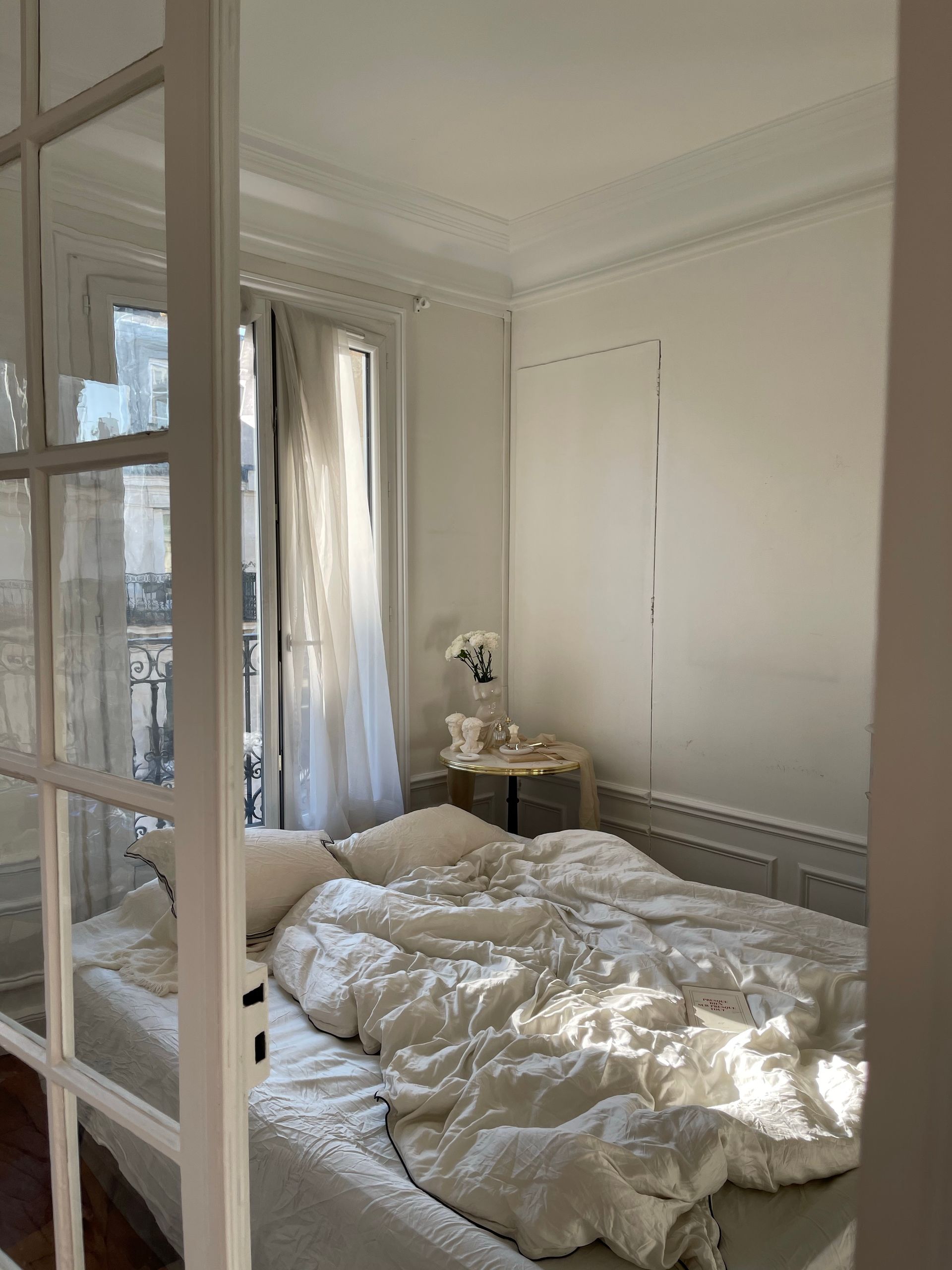
A chair should invite someone to sit. A table should make space for food, conversation, writing, or the temporary clutter of a project in motion.
Homes often become visual representations of aspiration. We create formal rooms nobody uses, save certain dishes for imagined occasions, and protect objects from the life they were purchased to support.
I want to use what I have.
A beautiful room becomes more meaningful when it holds ordinary human activity.
The Table Is One of the Places Life Becomes Visible
Food gives shape to time.
Breakfast begins the day differently from lunch eaten between tasks. Dinner can become a pause, a negotiation, a gathering, or simply the moment I recognize hunger before it turns into exhaustion.
The reflections in Dinner for One Is Still a Table remind me that care does not require an audience.
A lived-in life includes meals prepared for one person with the same respect given to a room full of guests.
The plate does not need to be elaborate. Attention is what changes the meal.
Women Are Often Expected to Stage Life for Everyone Else
Women frequently become the producers of atmosphere.
We remember birthdays, prepare food, smooth conflict, decorate spaces, take photographs, and make sure other people feel included. The event appears effortless because someone carried the work quietly.
That labor can leave a woman visible in every detail except her own experience.
My writing about women, rest, and why softness is not surrender belongs here. Rest is not only recovery from producing a beautiful life for everyone else.
It is also a way of returning to the life I am supposed to be living.
I Do Not Want Every Joy to Become Content
Digital life encourages documentation.
A meal, walk, trip, outfit, or quiet afternoon can begin feeling incomplete until it has been photographed and shared. The experience becomes raw material for an audience.
I understand this tension because storytelling is part of my work. Digital platforms help independent voices reach people who might never encounter them otherwise.
That is why digital storytelling needs room for independent voices. Yet independence also requires deciding what will remain private.
Some joy should belong only to the person living it.
Private Joy Creates Its Own Kind of Wealth
Not every meaningful experience needs witnesses.
A favorite song playing while I cook, a walk taken without recording the route, or a conversation that never becomes a caption can enrich life without producing evidence.
Private joy feels different because it does not need to communicate anything.
It can remain small, imperfect, and entirely mine.
That privacy protects experience from becoming another performance metric.
Travel Should Change the Day, Not Only the Feed
Travel can easily become another form of display.
There are landmarks to collect, outfits to plan, and photographs to prove I reached the destination. However, the most meaningful moments often happen outside the planned frame.
A lived-in trip includes getting tired, changing the route, eating somewhere twice, or spending an afternoon doing very little.
This connects with the slow travel lesson of choosing presence over pace.
A destination becomes more real when I stop treating it as a checklist and allow daily life to enter the journey.
A Life Can Look Messy Because It Is Expanding
Growth rarely keeps everything orderly.
A new project may create stacks of notes. Travel disrupts routines, while learning something difficult can make me feel less competent before I feel stronger.
Visible mess does not always indicate failure. Sometimes it shows that a life is being used.
The challenge is learning the difference between meaningful disorder and conditions that create unnecessary stress.
I can organize what obstructs me without demanding that every sign of movement disappear.
Rest Should Be Lived, Not Displayed
Even rest can become a performance.
We arrange the bath, candle, tea, and perfect photograph while continuing to manage the experience from outside it.
Real rest may be less attractive. It might involve sleeping, canceling a plan, leaving dishes until morning, or sitting in silence without creating a ritual around it.
Quiet practices through Calm can support a transition into rest. Still, the deeper work involves allowing rest to remain unproductive.
I do not need to emerge from every pause improved.
Useful Tools Should Serve the Life, Not Replace It
Objects can reduce friction.
A journal may help me notice patterns. A good kitchen tool can make home cooking easier, while comfortable walking gear may support movement.
I share some of the practical items I use or recommend through my Amazon shop.
However, buying the tool is not the same as living the practice.
A notebook cannot create honesty, and a beautifully organized shelf cannot decide what deserves my attention.
Friendship Needs Time That Is Not Optimized
Strong relationships do not always grow through memorable events.
They develop through repeated conversation, shared meals, inconvenient honesty, and enough ordinary time for people to become real to one another.
Efficiency can weaken that process. If every meeting must have a purpose, outcome, or perfect setting, friendship becomes another project.
A lived-in life makes room for visits that produce nothing except connection.
Questions Are Part of the Texture
I once believed clarity should arrive before action.
Experience has shown me that many decisions unfold through movement. I begin with incomplete information, learn from the result, and revise.
A life filled with questions does not necessarily lack direction.
Questions can show that I am paying attention rather than following an old script automatically.
I want enough certainty to move and enough curiosity to change course.
I Need Space for the Unimpressive Days
Some days will not contain breakthroughs.
I will answer messages, cook something simple, clean part of the house, and go to bed without advancing a major goal.
Those days still belong to the life.
A year cannot be built entirely from highlights. Ordinary days create its structure, while dramatic moments become occasional windows.
I do not want to dismiss the majority of my life because it was not impressive enough to share.
The Body Knows Whether a Life Is Livable
Appearance can hide a great deal.
A life may look successful while the body remains tense, underslept, and constantly braced for the next demand.
I want to include physical information in every definition of success.
Can I breathe inside the schedule? Do I sleep? Is there time to eat, walk, recover, and notice when something hurts?
A life that requires permanent disconnection from the body cannot feel fully mine.
Choosing Enough Over Constant Expansion
Modern life often frames growth as accumulation.
More income, more travel, more visibility, more projects, and more experiences supposedly create a fuller life.
Sometimes they do. At other times, expansion produces so much maintenance that I lose the ability to enjoy what I gained.
Enough gives me a different measure.
It asks whether the life has depth, not merely size.
I Want the Story to Sound Like Me
A lived-in life will not always follow a clean narrative.
There may be interrupted plans, repeated lessons, unfinished work, and seasons when survival takes more space than ambition.
I still want the story.
I want it to include meals eaten slowly, trips that changed direction, rooms used for their real purpose, and friendships that became part of the architecture of the year.
Most of all, I want enough honesty to recognize my own voice inside it.
The Kind of Year I Can Touch
I do not want a year that exists only as an image.
I want evidence of living: worn shoes, used notebooks, recipes adjusted by instinct, and photographs that remind me of moments rather than replace them.
The year may not appear polished from every angle.
It will contain quiet days, unexpected turns, work that matters, rest that leaves no visible result, and joy that nobody else knows occurred.
That is the kind of year I can touch.
It will not be perfect. It will have texture.
More importantly, it will feel like mine.
For more reflections on women’s lives, creativity, rest, self-definition, and the cultural pressures shaping how we present ourselves, explore DG Speaks Culture.