CHILE ’76: Unveiling the Layers of Political Resistance in a Hitchcockian Noir
There are some films that quietly pull you in and never let go.
Chile ’76 is one of them.
From the very first frame, I felt the tension.
The silence.
The unease.
The kind of quiet fear that lingers in places where people have learned to survive by not saying too much.
Directed by Manuela Martelli in her feature debut, Chile ’76 takes us into the early years of Augusto Pinochet’s dictatorship in Chile through the eyes of Carmen, an upper-middle-class woman whose comfortable world slowly begins to unravel as she is drawn into political resistance.
A Different Lens on Political Resistance
What makes Chile ’76 so compelling is its perspective.
When we think of stories set during dictatorship, we often expect the narrative to center on activists, journalists, or those openly fighting back.
Instead, Martelli gives us Carmen.
She is elegant, composed, and privileged.
At first glance, she seems insulated from the chaos unfolding around her.
But that illusion slowly cracks.
And that’s where the film becomes fascinating.
It asks an important question:
How do ordinary people continue their daily lives while atrocities happen around them?
And at what point does silence become complicity?
A Hitchcockian Noir Feel
Visually, this film is stunning.
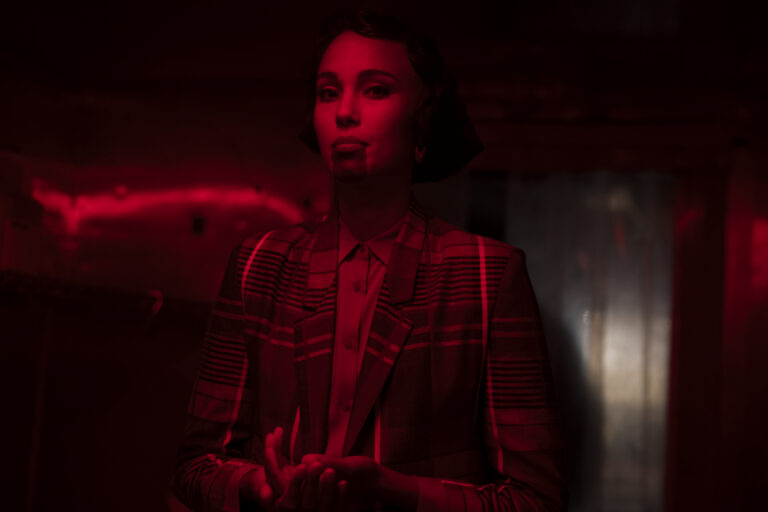
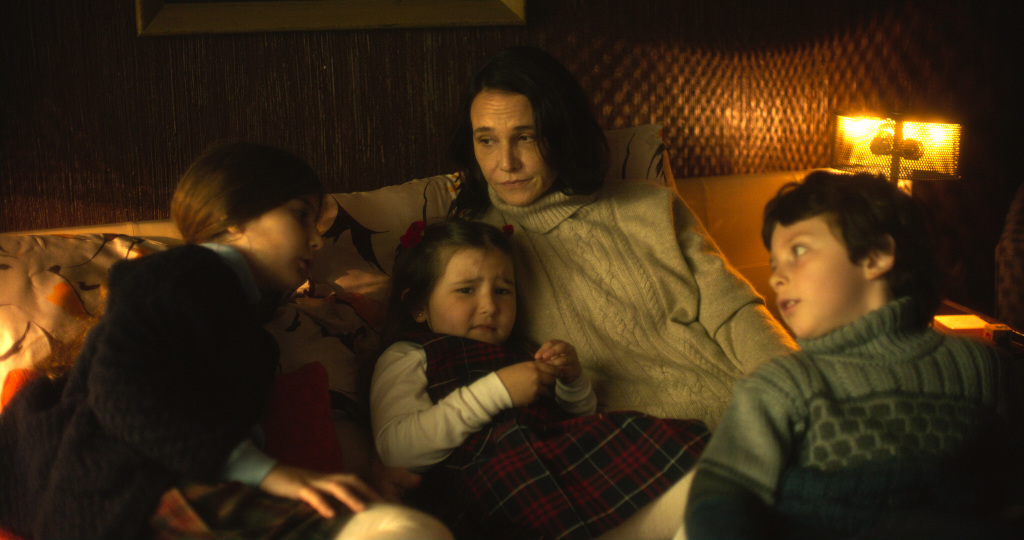
The cinematography is restrained but intentional, using muted palettes and carefully framed shots to create a constant sense of tension.
Every glance feels loaded.
Every silence feels dangerous.
The score adds another layer of suspense, giving the film a distinctly Hitchcockian noir quality.
It feels elegant.
Stylish.
And quietly terrifying.
Rather than relying on dramatic outbursts, Chile ’76 builds suspense slowly and methodically.
That slow burn works.
Aline Kuppenheim Carries the Film
Aline Kuppenheim is captivating as Carmen.
Her performance is subtle but powerful.
You can feel every internal conflict in the smallest shifts of her face and body language.
She captures the tension of a woman awakening to truths she can no longer ignore.
And she does it beautifully.
Why This Story Matters
As someone who spends so much time exploring stories through the lens of politics, culture, and human rights, I found Chile ’76 deeply compelling.
It reminded me that history does not only live in textbooks.
It lives in homes.
In families.
In whispered conversations.
And in the choices people make to either resist or remain silent.
Martelli’s decision to tell this story through a woman’s perspective feels especially important.
There’s something deeply feminine in the way this film explores quiet courage, emotional labor, and moral awakening.
A Must-Watch for Fans of Political Cinema
After making waves on the international festival circuit, including its premiere at Cannes Directors’ Fortnight, Chile ’76has firmly established Manuela Martelli as a director to watch.
This film is subtle, intelligent, and emotionally gripping.
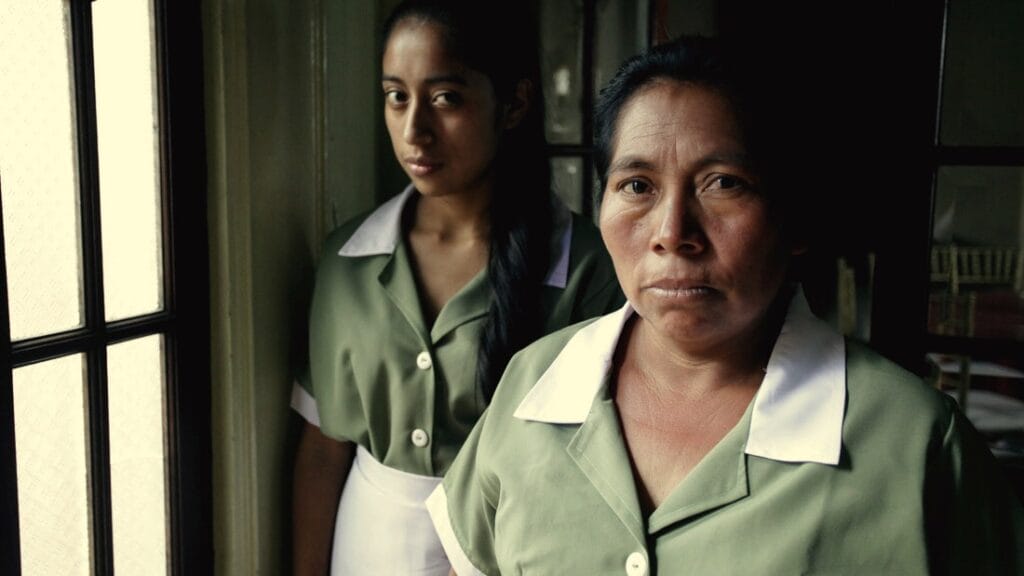
If you appreciate films like La Llorona that blend political commentary with suspense and atmosphere, this is absolutely worth your time.
Both films remind us how cinema can illuminate painful histories while telling deeply human stories.
And both leave you thinking long after the credits roll.