Why Restaurant Light Changes the Meal
I notice restaurant lighting. I notice whether the room makes people look warm, tired, glamorous, rushed, hidden, or welcome. Before I taste the food, I am already responding to the atmosphere.
Lighting may seem like a small design choice. However, it can shape the entire dining experience. A beautiful meal can feel cold under harsh lights, while a simple dinner can feel special in the right glow.
Restaurant Lighting Speaks Before the Menu
Before the menu speaks, the light has already introduced the restaurant. It tells me whether the space wants to feel intimate, lively, elegant, casual, mysterious, or practical.
Bright lighting can work well in a bakery, lunch counter, or busy market café. It helps people see the food clearly and keeps the room energetic. Still, the same brightness can feel uncomfortable during a quiet evening meal.
Dim lighting creates a different mood. It can slow the pace, soften the room, and encourage people to stay longer. However, there is a difference between intimate lighting and a dining room so dark that nobody can read the menu.
A Dining Room Can Flatter or Fight You
A room can flatter or fight you. Some lighting makes everyone look warm and relaxed. Other lighting creates shadows, highlights exhaustion, or makes the table feel more like a waiting room than a place to enjoy dinner.
This connects with how local restaurants teach me how a city feels. It also connects with the food memories that follow us home.
Dining is atmosphere as much as flavor. We remember how a room made us feel, even when we forget every ingredient on the plate.
Good Lighting Helps People Feel Welcome
Restaurant lighting can be a form of hospitality. It can help guests relax, see one another clearly, and feel comfortable in the space.
Good lighting considers the people in the room, not only the design. Guests should be able to read the menu, see their food, and recognize the expressions across the table.
That balance matters. A restaurant can create mood without making people struggle. In fact, thoughtful lighting often works so naturally that diners barely notice it.
Light Changes How Food Looks
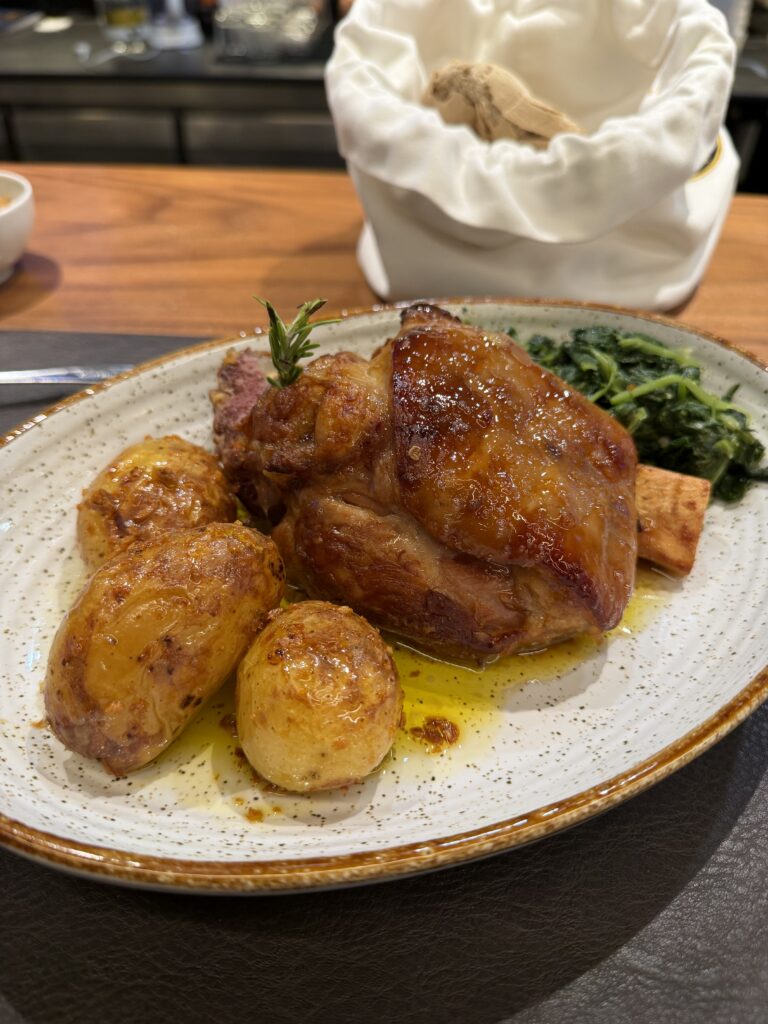
Lighting also affects the plate. Warm light can make bread, roasted vegetables, sauces, and grilled meats look rich and inviting. Poor lighting can flatten colors or make carefully prepared food look dull.
This matters even more now because many diners photograph their meals. Restaurants know that guests often experience food through both taste and images.
Still, the goal should not be lighting designed only for social media. The meal should look appealing to the person sitting in front of it, not just to the camera.
Different Restaurants Need Different Light
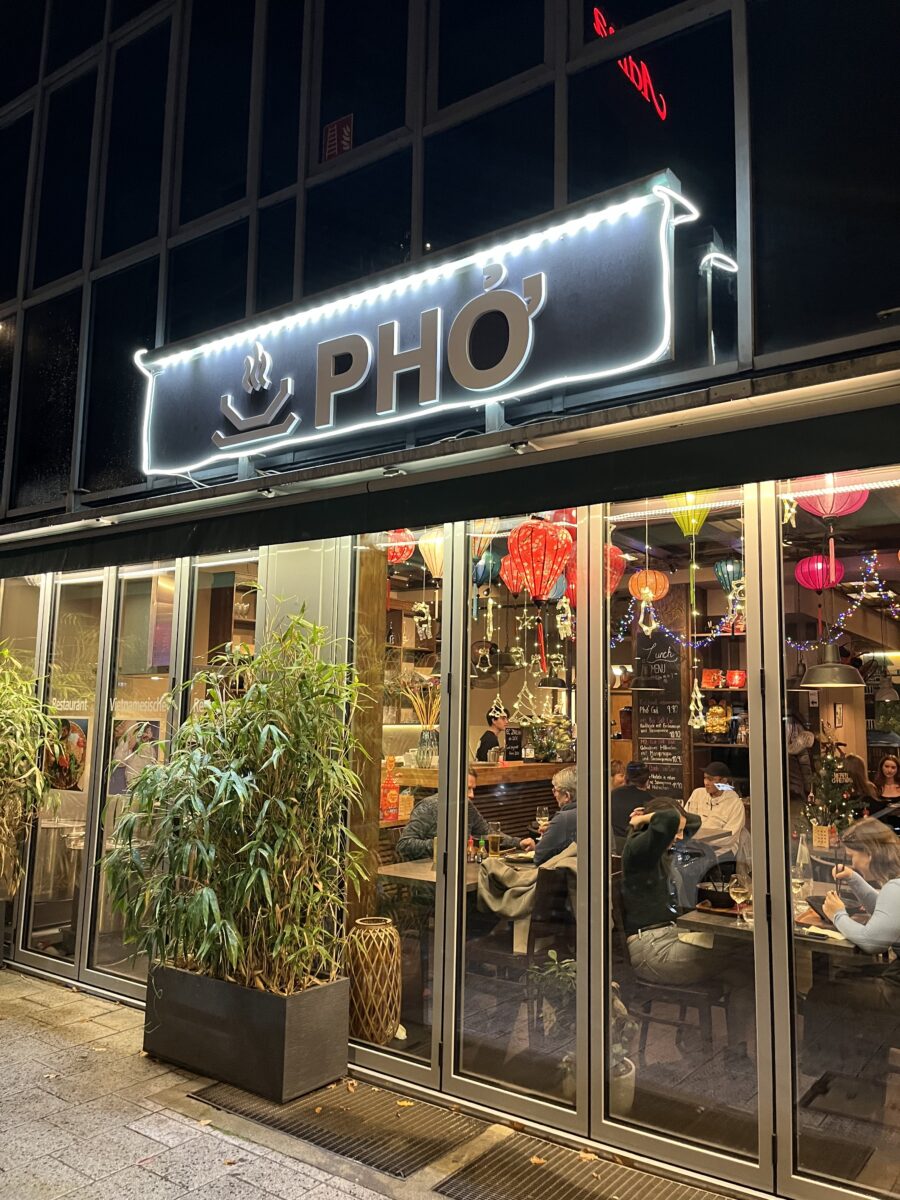
There is no single perfect lighting style. A crowded noodle shop, romantic bistro, family restaurant, coffeehouse, and rooftop bar all need different moods.
The best lighting matches the purpose of the space. It supports the food, the pace of service, and the people the restaurant hopes to welcome.
Problems begin when the lighting fights the experience. A casual restaurant may feel sterile under sharp overhead lights. Meanwhile, a lively social space may feel sleepy when the room is too dark.
The Glow Becomes Part of the Memory
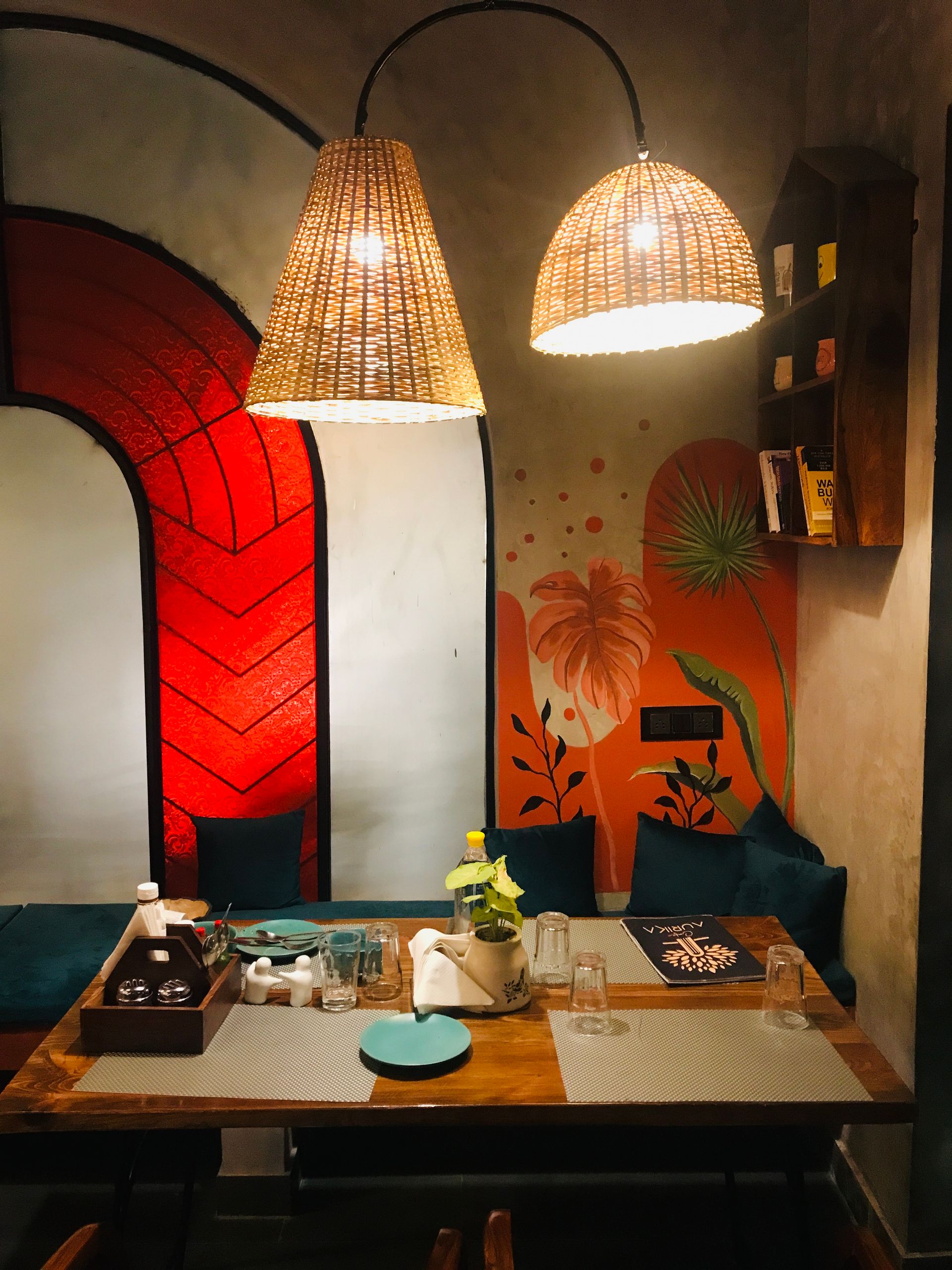
Some dining rooms stay with me because of the way they glowed. I remember candlelight reflecting in a window, warm lamps above a table, or evening sunlight moving across a wall.
Those details become part of the meal. They frame the conversation, the faces, the plates, and the feeling of being somewhere worth noticing.
Food experiences through GetYourGuide can lead travelers to memorable dining spaces. Meanwhile, home tools from my Amazon shop can help create some of that warmth at home.
The glow I remember later is not separate from the dinner. It is part of the dinner. A good restaurant understands that beauty is often felt before it is named.
You might also enjoy exploring DG Speaks Food, DG Speaks Travel, and DG Speaks Culture.