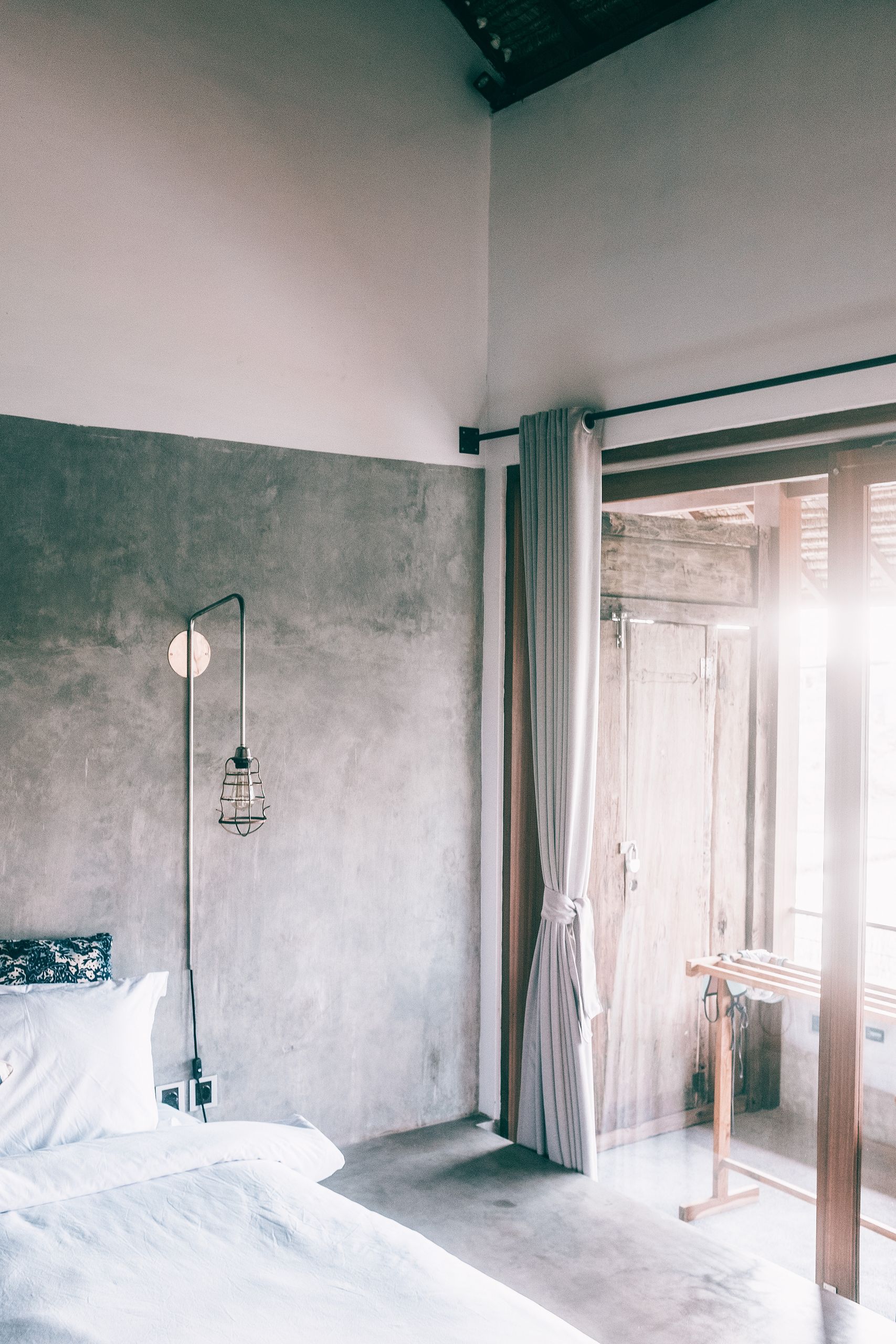
The Beauty of a Room With Good Light
I once stayed in a room where the morning light arrived before I felt ready for the day.
It slipped through a gap in the curtains, crossed the floor, and landed on the edge of a small table. Nothing else had changed. My responsibilities still waited, and I still felt tired.
Yet, the room seemed lighter before I did.
I sat with coffee and watched the sun move slowly across the surface of the table. Dust became visible in the beam. The walls looked warmer, and the ordinary objects around me appeared more intentional simply because the light touched them.
That morning reminded me how deeply I respond to a good light room. Before I have language for my mood, the space has already entered it.
The Morning Reached Me Before the Alarm Did
Morning light feels different from artificial light.
It does not switch on all at once. It arrives gradually, changing the room by degrees.
First, the window brightens. Then, color returns to the walls, furniture, and floor. Objects that disappeared into darkness begin taking shape again.
That slow arrival can feel gentler than an alarm.
The day begins without demanding an immediate performance from me. Light simply enters and waits for me to notice.
There is comfort in that.
The Window Became Part of My Routine
I have lived and stayed in rooms where the window mattered as much as the furniture.
It gave me weather, movement, and a connection to the world outside. I could see trees shift, clouds gather, or people begin their day.
The window also marked time.
Morning light crossed one part of the room, while afternoon sun settled somewhere else. Evening softened the edges before darkness returned.
That rhythm made the day feel physical.
I was not moving only through notifications and appointments. The room itself reminded me that time was passing.
A Bright Room Is Not Always a Peaceful One
More light does not automatically create comfort.
Harsh glare can make a room difficult to use. Direct sun may overheat the space, wash out a screen, or force me to keep squinting while I work.
Good light needs balance.
I want brightness without feeling exposed. Curtains, blinds, plants, and the placement of furniture can soften the intensity.
The goal is not maximum light at every hour.
It is light that supports the way I live inside the room.
Softness Changes What the Room Asks of Me
Some spaces seem designed for productivity alone.
They are bright, efficient, and organized, but they do not invite me to stay once the work ends.
A softer room asks something different.
It makes space for thought, rest, and ordinary life. The light falls gently enough for me to read, write, eat, or sit without feeling that every moment needs an objective.
Softness does not mean the room lacks function.
It means function does not erase humanity.
Writing Feels Different Near a Window
I can write almost anywhere when necessary.
Still, natural light changes the experience.
A window gives my eyes somewhere to go when the words stop. I can look at a tree, rooftop, passing cloud, or the changing color of the sky instead of staring only at a blank screen.
Those small visual breaks matter.
They reduce the feeling that I am trapped inside the work.
This connects with my reflections on why independent voices need room within digital storytelling. Creative work requires more than technology and output.
It also needs space for observation, interruption, and breath.
The Screen Is Not the Only Source of Light
Too much of my work happens through illuminated rectangles.
Phone, laptop, tablet, and television all produce light while demanding attention in return.
Natural light asks for nothing.
It does not contain messages, deadlines, or other people’s priorities. It simply reveals the room.
That difference matters.
When possible, I begin part of the day near a window before allowing screens to define the atmosphere.
The habit helps me remember that the world exists beyond what is asking to be clicked.
Coffee Tastes Better in a Pool of Sunlight
Morning coffee is partly about the drink and partly about the moment surrounding it.
A cup beside a bright window feels different from one swallowed quickly beneath overhead lighting.
The warmth in my hands matches the light across the table.
I may still have a demanding day ahead. However, the first few minutes belong to something slower.
These rituals matter because they give daily life texture.
Coffee becomes more than fuel. It becomes a way of arriving.
The Same Table Holds Work and Rest
Many of us do not have separate rooms for every part of life.
The same table may hold a laptop in the morning, lunch in the afternoon, and folded laundry later.
Light can help the room change roles.
During the day, natural brightness supports work. In the evening, warmer lamps can signal that the pace has shifted.
Small transitions matter when one space must carry many functions.
Without them, the room can feel permanently connected to unfinished tasks.
Folding Laundry Can Feel Less Like Defeat
Light does not transform chores into a spiritual experience.
Laundry remains laundry.
Still, the atmosphere influences how the task feels. Folding clothes in a dim, cluttered room can feel heavier than doing the same work beside an open window.
Sunlight helps me see the task as part of caring for my life rather than evidence that work never ends.
The difference may be subtle.
Subtle differences still shape a day.
The Kitchen Needs Light for More Than Beauty
Good kitchen light supports safety and attention.
I need to see color, texture, cleanliness, and whether food is cooking properly. Shadows on a counter can make simple tasks more difficult.
Natural light also makes ingredients feel more alive.
Herbs look greener. Fruit appears brighter, and steam becomes visible near the stove.
The kitchen turns into a place where work and pleasure meet.
I am preparing food, but I am also participating in the room.
Houseplants Tell the Truth About the Window
Plants reveal whether a room receives useful light.
Some thrive near the window. Others lean desperately toward it or develop scorched leaves because the sun is too strong.
They remind me that light is specific.
Direction, season, distance, and duration all matter. A bright room in winter may become intensely hot in summer.
Living with plants makes me more attentive to those changes.
The room is not static.
It shifts with the year.
Winter Light Carries a Different Emotional Weight
Winter light often feels brief and precious.
The sun sits lower, shadows stretch farther, and darkness arrives earlier than I want.
A bright room becomes especially valuable during those months.
I notice every available beam.
Sometimes, I move a chair simply to sit inside it for a while.
This is not laziness.
It is a body responding to the season.
Summer Light Can Stay Too Long
Summer light brings energy, but it can also make rest difficult.
The room stays bright into the evening. Heat gathers near windows, and sleep may require darker curtains or another kind of boundary.
Again, good light is not only about abundance.
I need the ability to soften or block it when my body requires darkness.
Rest depends on contrast.
Day should feel different from night.
Privacy and Light Sometimes Compete
A large window can make a room feel open while also making me feel visible.
Urban living intensifies that tension.
Neighbors, sidewalks, and nearby buildings may sit close enough that opening the curtains feels like opening the room to public view.
I want light without surrendering privacy.
Sheer curtains, frosted film, plants, or carefully placed furniture can help create that balance.
A room should let me see the world without making me feel permanently watched by it.
The Best Corner Is Not Always the Largest One
A small corner near a window can become the most valuable part of a home.
It may hold one chair, a narrow table, and a lamp for cloudy days. Nothing about it needs to be elaborate.
The corner works because it offers orientation.
I know what happens there.
I read, write, think, drink coffee, or simply sit long enough to hear myself again.
A place does not need much space to create emotional room.
Rest Needs an Environment That Does Not Keep Shouting
Rest becomes harder when every object in the room represents unfinished work.
Piles, open laptops, bright overhead lights, and constant notifications keep the nervous system engaged.
A softer environment cannot solve every source of stress.
It can reduce the number of things asking for attention at once.
This idea connects with my reflections on women, rest, and why softness is not surrender.
Rest is not only the absence of work.
It is the presence of conditions that allow the body to release some of its vigilance.
Women Deserve Rooms That Do Not Only Serve Others
Women often shape spaces around everyone else’s needs.
Children need a place to play. Guests need somewhere to sit, and household work needs storage, surfaces, and constant attention.
Our own comfort can become secondary.
I believe women deserve at least one part of a room that reflects what helps us feel well.
It may be a chair in good light, a desk that does not need to be cleared for someone else, or a bedside lamp that supports reading.
The space does not need to be large.
It needs to acknowledge that we live there too.
A Room Can Support Work Without Becoming a Workplace
Working from home can blur every boundary.
The bedroom becomes an office, the kitchen becomes a conference room, and rest spaces remain visually connected to unfinished work.
Light can help create separation.
I may work near the brightest window during the day, then close the laptop and shift to warmer lighting in the evening.
The change signals that the room has another purpose now.
Ritual supports the transition.
Clear the surface. Move the chair. Close the curtain. Turn on a lamp.
The workday ends even when the commute is only a few steps.
Overhead Light Is Not Always My Friend
Ceiling lights are useful.
They illuminate an entire room quickly, but they can also make a space feel harsh and flat.
I prefer layers.
A table lamp, floor lamp, or small reading light creates separate pools of brightness. The room gains depth and feels less exposed.
Layered light lets me respond to the activity.
Cleaning may require more brightness. Reading needs focused light, while conversation or rest benefits from something softer.
One setting cannot support every mood equally well.
Warm Light Helps the Evening Arrive
Color temperature changes atmosphere.
Cool, bright light can support concentration during the day. Warmer light feels gentler as evening begins.
I like the way warm lamps make a room feel held rather than illuminated for inspection.
The shift helps my body recognize that the day is slowing.
It does not guarantee sleep or calm.
It gives them a better invitation.
Small Home Tools Can Reduce Friction
A comfortable room does not require expensive renovation.
Simple changes can make the space easier to use.
A reliable lamp, useful curtains, cable organization, a supportive cushion, or a small table placed where I naturally need it may improve the room more than decorative clutter.
I keep practical home and comfort finds in my Amazon shop for creating spaces that feel functional and lived in.
The right tool should support the room.
It should not turn comfort into another shopping project.
A Beautiful Room Can Still Feel Emotionally Cold
Design alone does not create belonging.
A room can have expensive furniture, perfect lighting, and no evidence of a real life inside it.
I want beauty, but I also want warmth.
Books, photographs, textiles, art, and objects gathered through experience give a room emotional texture.
The space should look like someone lives there.
Perfection can become another kind of distance.
Clutter Changes How Light Moves
Objects interrupt light.
They create shadows, block windows, and change how open a room feels. Too much visual information can make brightness feel chaotic rather than calming.
This does not mean a home must be minimal.
I enjoy objects with meaning.
I simply want enough space around them to see what matters.
Light helps me recognize when the room has become too crowded to breathe.
Cleaning Is Easier When I Can See What I Am Doing
Good light reveals dust, crumbs, stains, and everything else I might prefer not to notice.
That honesty can be useful.
A bright room makes cleaning more effective. It also shows me which surfaces collect clutter and where routines break down.
Still, I do not want the room to feel like it is always exposing failure.
Care is different from constant inspection.
The purpose of cleaning is to support life, not make the home look permanently untouched by it.
The Room Changed When I Moved the Chair
Sometimes, the best improvement costs nothing.
I move a chair closer to the window. A table turns in another direction, or a heavy object stops blocking the light.
The room feels new because I finally allowed it to work with the sun instead of against it.
Furniture placement affects how I move, where I pause, and which parts of the room receive attention.
A neglected corner can become useful with one small shift.
Before buying something new, I try moving what is already there.
Temporary Rooms Can Hold Me Too
I often notice light when traveling.
A hotel, hostel, rental, or guest room may be temporary, but the quality of light changes how I experience it.
A window can make a small room feel larger. Morning brightness helps me wake, while a dark interior can make it difficult to understand the time of day.
I may not control the design.
I can still create a small ritual within it.
Open the curtains. Move a chair toward the light. Make coffee and sit long enough for the room to feel less anonymous.
Temporary does not mean emotionally irrelevant.
Some Rooms Make Me Want to Stay Longer
Light affects whether a room feels usable.
A dim space may encourage me to leave quickly, while a bright, comfortable one makes me want to read, work, or rest there.
Hospitality businesses understand this.
Cafés, libraries, hotels, and restaurants use light to influence mood and how long people remain.
Natural light creates a sense of openness that artificial design often tries to reproduce.
We respond to rooms before consciously analyzing them.
Public Spaces Need Softness Too
Softness should not be limited to private homes.
Waiting rooms, schools, offices, hospitals, and community spaces affect people during vulnerable or demanding moments.
Good light, comfortable seating, and access to windows can change how those environments feel.
Design communicates value.
A harsh, neglected room tells people that their comfort was not part of the plan.
A humane space does not remove difficulty.
It refuses to add unnecessary hardness to it.
Architecture Decides Who Receives the Sun
Access to natural light is not distributed equally.
Housing design, income, neighborhood density, and building conditions shape who lives in bright, healthy spaces and who does not.
Some apartments receive very little direct light. Others face blocked windows, basement walls, or unsafe outdoor environments that make curtains feel necessary all day.
Light can seem like a personal decorating preference.
It is also connected to housing quality and inequality.
Everyone deserves a home that supports physical and emotional well-being.
A Bright Home Should Not Require Luxury
Real estate often sells natural light as a premium feature.
Bright rooms become part of luxury language.
Yet, access to daylight should not belong only to expensive homes.
Windows, ventilation, and thoughtful design affect health, energy use, and quality of life.
Housing should be designed around human bodies, not only maximum square footage or profit.
Light Can Affect Energy Use Too
Natural light may reduce the need for artificial lighting during the day.
It can also increase heat if windows are poorly placed or insulated.
Thoughtful design considers both.
Shade, orientation, glass, curtains, and ventilation all influence whether light supports comfort or increases energy costs.
A bright room should work with the climate rather than fight it.
The View Matters, but So Does the Direction
Windows offer more than light.
They frame a view.
A tree, courtyard, street, rooftop, or distant skyline gives the eyes somewhere to rest. Even an ordinary view can create connection to weather and time.
Not every window looks toward beauty.
Still, direction matters.
Seeing the outside world can make a room feel less enclosed.
Sometimes I Need to Close the Curtains
Openness is not always the answer.
There are days when I need privacy, darkness, or separation from what is happening outside.
Closing the curtains can become an act of care.
The room turns inward. Light softens, and the world becomes temporarily less available.
I want both possibilities.
A home should allow me to open toward life and retreat from it when necessary.
Quiet Helps Me Notice the Room Again
I can move through a space without truly experiencing it.
My attention remains inside a phone, task list, or worry. The room becomes invisible because I am only using it.
Quiet practice helps me return.
I may sit near the window, breathe, or use guided exercises through Calm when I need support settling into the present moment.
The practice does not change the furniture.
It changes my ability to meet what is already there.
A Room Cannot Heal Everything
Comfortable surroundings matter, but they cannot solve structural problems, grief, conflict, or illness.
I do not want to romanticize design as a cure.
A bright room may soften a difficult morning.
It does not remove the difficulty.
Still, small forms of support have value.
The environment can either add friction or offer a little relief.
I am grateful for relief.
Beauty Can Be a Form of Daily Care
Beauty does not need to be extravagant.
It can appear through sunlight on the floor, a clean table, a plant near the window, or a cup placed where the light catches it.
These details remind me that daily life deserves attention.
I do not need to wait for a vacation, celebration, or future home to create a space that feels kind.
Small beauty is not frivolous.
It can become part of how I care for myself through ordinary days.
The Room Helps Me Hear Myself
A useful room gives me enough quiet, comfort, and clarity to notice my own thoughts.
It does not need to be perfect.
The floor may need sweeping. Laundry may remain nearby, and the view may be ordinary.
Still, if the light feels gentle and I can breathe without everything asking something from me, the room is doing important work.
It gives me a place to return inward.
The Light Moves, and I Move With It
Throughout the day, light changes the room.
Morning feels open. Afternoon may create focus, while evening asks for lamps, curtains, and a slower rhythm.
I like noticing those shifts.
They remind me that no mood or moment remains fixed.
The sun moves even when I feel stuck.
A shadow crosses the floor. The bright corner changes, and the room becomes something else.
A Small Place to Return
A good light room does not need expensive furniture, perfect design, or enormous windows.
It needs enough softness to support the life happening inside it.
Light reaches the floor, touches the table, and changes the emotional weight of ordinary things. Writing feels more spacious. Coffee becomes a ritual, while rest seems slightly more possible.
The room does not ask me to become someone else.
It helps me hear the person already there.
I want workspaces that leave room for breath, kitchens where I can see what I am preparing, and corners that allow me to sit without producing anything.
The world can be hard enough.
Home should not reproduce every form of hardness.
Sometimes, the most meaningful comfort is simple: a chair near a window, a quiet morning, and light moving slowly across the room.
That small place becomes somewhere I can return.
Explore more reflections on rest, home, creativity, and intentional living through DG Speaks Culture. You can also discover how spaces shape a sense of place through DG Speaks Travel and read more about kitchens, tables, and everyday rituals in DG Speaks Food.