The Women Who Make Events Feel Effortless
I noticed her because she never stopped moving.
While everyone else entered the room, greeted friends, and found their seats, she was checking the registration table, speaking quietly with the caterer, and searching for an extra chair.
Someone had a dietary restriction that had not made it onto the final list. The microphone was not working properly, and one speaker had arrived later than expected.
None of this became a crisis.
She adjusted.
A plate appeared. The microphone was replaced, and the program shifted by a few minutes without the audience realizing anything had changed.
Later, people described the event as effortless.
I understood what they meant. The room felt welcoming, the program flowed, and everyone appeared to know where to go.
Still, effortless was not the word I would have chosen.
The event looked easy because a woman was working hard enough to protect everyone else from the difficulty.
I notice the women who do this.
They check the list, watch the clock, remember who cannot eat what, find the missing chair, calm the frustrated guest, and make the room feel as though it simply came together.
Women’s event labor is not merely helpful.
It is leadership.
The Clipboard Behind the Celebration
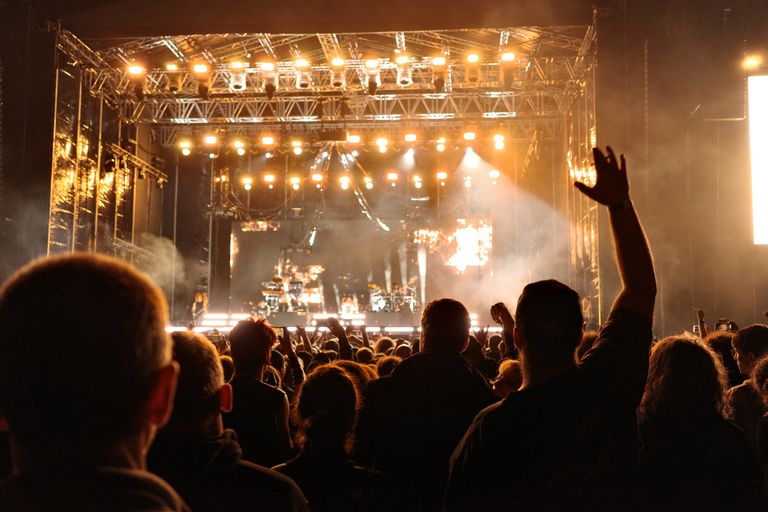
Every gathering has a visible purpose.
It may be a conference, wedding, community meeting, fundraiser, festival, family celebration, or professional reception.
Behind that purpose is a long chain of decisions.
Someone selected the date, contacted the venue, confirmed the guests, tracked the budget, coordinated food, prepared the room, and created a backup plan for whatever might go wrong.
The clipboard is only the visible symbol.
The real work lives inside the planning.
Events Begin Long Before Anyone Arrives
Guests experience the event in hours.
Organizers may have carried it for weeks or months.
Before the first person enters, emails have been sent, schedules revised, invoices reviewed, and countless small questions answered.
How many chairs will fit?
Who needs transportation? Is the venue accessible, and what happens if it rains?
The event begins in the organizer’s mind long before it becomes visible in the room.
The Work Is Both Visible and Invisible
Some tasks are easy to recognize.
People see someone moving tables, distributing materials, or directing guests.
Other responsibilities remain almost entirely hidden.
She remembers the tension between two participants and adjusts the seating. She notices that an older guest needs a place to rest, or that a speaker appears nervous and may need reassurance before going onstage.
Nothing dramatic happens because she noticed early.
Prevention rarely receives the same attention as crisis.
Timing Is a Form of Intelligence
A strong event has rhythm.
Guests need enough time to arrive, settle, eat, listen, participate, and move between activities without feeling rushed or forgotten.
That rhythm does not occur by accident.
Someone is tracking how long each section takes and deciding when to speed up, slow down, or quietly remove something from the schedule.
Timing requires judgment.
It means understanding that a program can be technically on schedule while the room feels emotionally behind.
Hospitality Is More Than Being Nice
Hospitality is often described as warmth.
Warmth matters, but hospitality also requires planning.
It means thinking about where people will place their coats, whether they can find the bathroom, and what information they need before they feel comfortable.
It means noticing whether the food works for the people invited and whether guests can participate regardless of disability, language, age, or familiarity with the setting.
Hospitality becomes leadership when welcome is built into the structure rather than left to chance.
Remembering Dietary Needs Is Safety Work
Food can create connection.
It can also create risk.
Allergies, religious practices, medical needs, and personal restrictions require more than a casual promise that something will probably be fine.
Someone must gather accurate information, communicate with the caterer, label the food, and prevent special meals from disappearing before the intended guests receive them.
This connects with my reflections on women leading change throughout food systems.
Food work includes growing and cooking.
It also includes the knowledge required to feed people safely and with dignity.
Emotional Management Keeps the Program Moving
Events bring personalities, expectations, and pressure into the same room.
A sponsor may be disappointed. A guest may feel overlooked, or a speaker may believe someone else received better treatment.
Women are often expected to absorb these emotions while remaining pleasant.
They listen, reassure, redirect, and prevent individual frustration from becoming a public disruption.
This is emotional labor.
It requires skill even when nobody adds it to the job description.
The Woman in Charge May Not Hold the Highest Title
Leadership at events does not always match the organizational chart.
The person with the most prestigious title may welcome the audience or deliver the keynote.
Meanwhile, another woman knows where every document is, who has not arrived, and how to resolve the problem happening near the entrance.
Authority may be formal.
Operational leadership often belongs to the person everyone looks for when something goes wrong.
Competence Can Make Labor Disappear
The better someone performs this work, the less visible it may become.
There are no long lines, missing meals, or confused guests. The program begins close to schedule, and problems are solved before they reach the stage.
Success becomes evidence that the event was easy.
This creates a strange penalty for competence.
The organizer’s skill erases the conditions that would have revealed how necessary she was.
We Call It Natural When Women Do It Repeatedly
Women are often described as naturally organized, nurturing, thoughtful, or good at remembering details.
That language sounds complimentary.
It can also remove the work from the category of skill.
If care is natural, why should anyone pay for it?
If women simply notice everything, why should the noticing be acknowledged as expertise?
Repeated practice may make leadership appear instinctive.
It is still learned, developed, and labor-intensive.
Community Does Not Organize Itself
We often speak about community as though it appears whenever people gather.
Gathering is only the beginning.
Someone sends the invitations, follows up with people who did not respond, makes introductions, and notices who remains outside the conversation.
This belongs beside my reflections on why community resilience must begin before a crisis.
Strong communities depend on relationships built through repeated acts of coordination and care.
People organize community.
The Missing Chair Is Never Only a Chair
A missing chair may look like a minor logistical problem.
It can also communicate whether someone was expected.
If a guest arrives and there is no place for them, they may feel overlooked before the event has even begun.
The woman who finds the chair is not simply moving furniture.
She is repairing the welcome.
Small details carry emotional meaning because they tell people whether the room was prepared with them in mind.
Inclusion Lives in the Details
An event can use inclusive language while remaining difficult to access.
The entrance may have stairs. The schedule may offer no breaks, and the sound system may not support people who struggle to hear.
There may be no clear seating for caregivers, no quiet space, or no meaningful food options for some guests.
Inclusion becomes real through logistics.
The person asking these questions is doing more than planning.
She is shaping who can fully belong in the room.
Women Often Bring Their Own Resources
I have watched women arrive with tape, scissors, chargers, pens, medicine, snacks, safety pins, extension cords, and every other item someone forgot to provide.
They create emergency kits because experience has taught them that preparation will be expected, even when support is limited.
Practical planning tools and supplies from my Amazon shop can help with organization.
Still, equipment cannot replace adequate staffing, time, and a budget that reflects the work.
Being Prepared Should Not Mean Carrying Everything Alone
Competent women often receive more responsibility because people trust them to handle it.
The reward for doing the work well becomes additional work.
She is asked to take notes because she is organized, manage refreshments because she is thoughtful, and resolve interpersonal issues because she communicates well.
Each request may appear small.
Together, they create an entire second job.
Leadership should include delegation and support, not endless proof that one woman can carry the room alone.
Volunteer Labor Still Has Value
Many community events depend on volunteers.
People contribute time because they believe in the purpose, care about the participants, or want to support an institution.
Volunteer does not mean valueless.
The work still deserves clear expectations, reasonable hours, food, breaks, training, and sincere recognition.
Gratitude should not become a substitute for basic respect.
Paid Work Should Be Paid Honestly
Event planning is often undervalued because the final product looks celebratory.
People see flowers, food, music, and conversation. They may not see contract negotiations, risk management, travel changes, or hours spent correcting other people’s mistakes.
A professional organizer should not be expected to accept low compensation because the work appears enjoyable.
Creating joy for others is still labor.
The Work Does Not End When the Guests Leave
The room may empty, but the event continues for the organizers.
There are materials to collect, bills to verify, equipment to return, and messages to send.
Someone searches for the lost item, stores the leftover food, and makes notes about what should change next time.
The celebration ends publicly before it ends operationally.
Often, the woman who arrived first is among the last to leave.
Exhaustion Arrives After the Adrenaline Leaves
During the event, adrenaline keeps the body moving.
Questions require immediate answers, and the schedule provides no room to feel tired.
Exhaustion may arrive only after the room becomes quiet.
The organizer returns home and realizes she has not eaten properly, sat down, or processed how much tension she managed.
Quiet practices, including meditation through Calm, may help create space after the intensity ends.
Still, recovery should not become one more private responsibility assigned to the person who carried everything.
Rest Should Be Part of the Event Plan
Organizers need breaks too.
A schedule that protects every guest while leaving the staff without food or rest is not a successful plan.
Teams need rotations, coverage, and enough people to prevent one person from remaining in crisis mode all day.
Rest should be designed into the work rather than postponed until the body forces it.
The Thank-You Should Be Specific
Generic gratitude is better than silence.
Specific gratitude is better.
I want to name what the woman did.
Thank you for noticing the dietary issue before lunch. Thank you for helping the speaker feel prepared and for making sure the older guests had seating.
Specific thanks demonstrates that the work was actually seen.
It also teaches others to recognize the skills that created the experience.
Recognition Should Include Opportunity
Praise matters, but women should not remain permanently behind the scenes while others receive the visible leadership roles.
The person coordinating every detail may also deserve the title, speaking opportunity, promotion, or decision-making authority that reflects her contribution.
Recognition without advancement can become another form of containment.
She is celebrated as indispensable while being denied the power and compensation that should accompany indispensability.
The Room Is Part of Her Leadership Record
When an event succeeds, the organizer has demonstrated strategy, communication, negotiation, budgeting, risk management, and human understanding.
These are transferable leadership skills.
They should appear in professional evaluations, résumés, grant reports, and conversations about advancement.
The room did not simply come together.
She brought it together.
Men Can Share This Labor
Naming women’s event labor does not mean men are incapable of hospitality, planning, or emotional intelligence.
It means women are too often expected to perform this work by default.
Men can notice the empty water station, manage the guest list, check accessibility, and remember the dietary restrictions.
Shared responsibility prevents care from becoming gendered obligation.
A stronger team makes attention everyone’s work.
Leadership Is Often Quiet Before It Is Visible
We tend to imagine leadership at the microphone.
Someone stands in front of the room, welcomes the audience, and receives applause.
Leadership also exists in the decisions that made the microphone work.
It is present in the seating plan, the revised schedule, and the calm conversation that prevented a conflict from becoming public.
Not all leadership announces itself.
The Event Felt Effortless Because She Held the Effort
At the end of the event I had been watching, guests lingered near the doors.
People complimented the program and talked about how smoothly everything had gone.
The woman I had noticed earlier was still moving.
She collected materials from the tables, checked that the final guest had transportation, and answered one more question before taking a seat.
For the first time that evening, she looked tired.
The effort had not disappeared.
She had simply carried it out of everyone else’s view.
Naming the Work Changes How We Value It
Women’s event labor is leadership because it requires strategy, timing, memory, judgment, and care.
Women hold rooms together through work that is both visible and invisible. They manage logistics while reading emotions, protect the schedule while responding to human needs, and create the conditions that allow other people to feel welcomed.
We need to stop calling these abilities natural simply because women perform them often.
Hospitality is a skill.
Timing is a skill. Emotional management, accessibility planning, conflict prevention, and remembering details that keep people safe are all skills.
When we call an event effortless, we risk erasing the person who carried the effort.
I would rather name what happened.
The room worked because someone worked.
The guests felt cared for because someone was paying attention.
The community gathered because someone organized it.
That deserves more than a casual compliment.
It deserves gratitude, resources, rest, fair compensation, and recognition as leadership.
Explore more reflections on women, leadership, community, and invisible labor through DG Speaks Culture. You can also read more about the women whose knowledge and coordination shape meals and food systems through DG Speaks Food, or discover how festivals, conferences, and gatherings shape the experience of place through DG Speaks Travel.