What a Quiet Room Can Give Back
One afternoon, after a day filled with messages, noise, decisions, and people needing something from me, I closed a door.
Nothing dramatic happened.
The room was not especially beautiful. There was a chair, a lamp, a few things I had not put away, and enough space for me to sit without being interrupted.
Still, the moment the door clicked shut, my body responded.
My shoulders lowered. My breathing slowed, and the constant feeling that I needed to answer, fix, explain, or prepare for the next thing began to loosen.
I did not turn on music. I did not open my laptop or reach for my phone.
For several minutes, I simply sat there.
That was when I remembered how much a quiet room can give back.
It does not need to be luxurious. It only needs to offer a little shelter from noise, demands, and the steady pull of everything outside me.
The Door Created a Boundary Before I Found the Words
I had not fully understood how overstimulated I felt until the room became quiet.
Throughout the day, I had moved from one demand to another. Notifications arrived. Conversations required attention, and background noise seemed to follow me from room to room.
None of it felt unbearable on its own.
Together, however, it created a kind of pressure that I had begun carrying as though it were normal.
Closing the door gave that pressure an edge.
For the first time that day, I could feel where the outside world ended and where I began.
Silence With a Door Feels Different
Silence is not always available simply because nobody is speaking.
A room can remain full of expectation. Someone may call from another part of the house, a phone may vibrate, or unfinished work may sit close enough to keep the mind alert.
A closed door changes the meaning of the quiet.
It says that this space is temporarily protected.
I can breathe, write, stretch, lie down, or stare at the wall without performing usefulness for anyone.
The door does not solve every problem.
It gives me a place where every problem does not need immediate access to me.
I Am Not Always Aware of How Much Noise I Carry
Some noise is obvious.
Traffic, television, conversation, construction, and music all announce themselves. Other forms of noise enter more quietly.
An unanswered message can stay loud inside the mind. So can a difficult conversation, a deadline, or the feeling that I have forgotten something important.
Even after the room becomes silent, those sounds may continue internally.
That is why I sometimes need several minutes before I begin to feel the quiet.
The body has to realize that nothing new is being demanded from it.
The Nervous System Needs Somewhere to Go
There are days when my body remains braced long after the immediate pressure has passed.
My jaw stays tight. My breathing remains shallow, and I continue moving quickly even when no one is asking me to hurry.
Loud places, hard conversations, work, worry, and constant screens all leave residue.
A quiet room gives that residue somewhere to settle.
I do not need to understand every feeling before resting.
Sometimes, physical stillness must come first.
Rest Often Begins Before Sleep
I used to think of rest primarily as sleep.
If I was tired, I needed to go to bed. Yet, there are forms of exhaustion that sleep alone does not reach.
The mind may need relief from decision-making. The body may need freedom from being watched or touched, while the emotions need a break from being explained.
A quiet room offers wakeful rest.
I can remain conscious without remaining available.
Women Are Not Always Given Quiet
Women are often surrounded by requests.
Someone needs an answer, a meal, reassurance, information, transportation, help finding an item, or attention to a problem that has suddenly become urgent.
Even when nobody speaks, we may remain aware of what needs to happen next.
This is why my reflections on women, rest, and the strength found in softness belong inside this conversation.
Rest often requires protection.
Women are not always given quiet.
Sometimes, we have to claim it.
Claiming Quiet Can Feel Like Withholding Something
Closing a door can create guilt.
I may wonder whether I am being selfish, unavailable, or dramatic. Perhaps someone else needs the room, my attention, or the time I am spending alone.
That guilt reveals how deeply availability can become tied to worth.
If I am always reachable, I am useful.
If I withdraw, even briefly, I may fear that I am failing someone.
Yet, constant availability is not the same as care.
Eventually, the person giving without pause begins offering a depleted version of herself.
A Boundary Can Be Quiet Without Being Hostile
Not every boundary requires a confrontation.
Sometimes, it looks like closing the door, silencing the phone, or saying that I need thirty minutes alone.
The boundary does not reject everyone outside the room.
It protects the person inside it.
That distinction matters.
I can love people and still need space where their needs are not the loudest thing I hear.
The Room Did Not Ask Me to Improve Myself
Much of modern wellness arrives with an assignment.
Meditate correctly. Journal consistently. Stretch, breathe, organize, heal, and become a calmer version of yourself.
The quiet room I needed that day asked for nothing.
I did not need to optimize the time.
I could sit without producing insight.
Rest became more restorative when I stopped treating it as another project.
Staring at the Wall Can Be Enough
There is a moment when doing nothing begins to feel uncomfortable.
The hand reaches for the phone. The mind searches for a task, and stillness starts looking like wasted time.
If I remain long enough, that discomfort often passes.
The wall becomes only a wall.
I no longer need the quiet to entertain me.
It can simply hold me.
The Room Became a Place to Hear My Own Thoughts
Constant input can make it difficult to recognize which thoughts belong to me.
News, social media, conversations, advertisements, and other people’s expectations all enter the mind before I have finished forming my own response.
In a quiet room, those voices begin losing volume.
My thoughts do not instantly become clear or wise.
They become audible.
That difference is enough.
Some Thoughts Arrive Only After the Noise Leaves
There are realizations I cannot force.
I may spend hours trying to solve a problem, only to understand something important after I stop chasing the answer.
Quiet creates space around the thought.
Without constant input, the mind can return to what it had not finished processing.
Sometimes, clarity arrives.
At other times, I recognize that I am too tired to decide.
Both forms of information matter.
A Notebook Can Catch What the Silence Releases
Occasionally, I keep a notebook nearby.
I do not always write full pages. A sentence, question, or list may be enough.
Writing gives shape to thoughts that have been moving without direction.
Once the words reach the page, I no longer need to hold them all at once.
I keep simple writing tools and comforting home items in my Amazon shop, choosing things that support daily life without making the practice feel complicated.
The notebook can help.
The real work remains listening to what I write.
The Light in the Room Matters More Than I Expected
Harsh light can keep the body alert.
A softer lamp changes the atmosphere immediately, especially at the end of the day.
The room begins to feel less like a workspace and more like somewhere I am allowed to exhale.
I do not need perfect décor.
One warm source of light can make the space feel intentional.
Small environmental choices often tell the nervous system what kind of behavior the room supports.
Comfort Does Not Require Luxury
A quiet room can be simple.
It may contain a chair, blanket, pillow, lamp, or a patch of floor where I can stretch. Comfort comes from how the space functions rather than how much it costs.
The room does not need to look like a retreat.
It needs to give me permission to stop.
That permission can exist in a bedroom, office, spare corner, parked car, library, or any place where I can temporarily reduce the demands reaching me.
Not Everyone Has a Room to Close
I am aware that private space is a privilege.
Many people live in crowded homes, share bedrooms, care for children, or work in environments where quiet is difficult to find.
Some cannot close a door because there is no extra door available.
That reality matters.
Rest should not depend on wealth, square footage, or living alone.
When private rooms are unavailable, small protected moments become even more important.
Sometimes Quiet Must Be Built From Minutes
A person may not have an entire room or afternoon.
Perhaps quiet comes during a shower, a short walk, or ten minutes before anyone else wakes up.
Headphones can reduce noise. Sitting in a parked car may provide a temporary boundary, while a library can offer shared silence without isolation.
The time may be brief.
Its value does not depend on length alone.
Shared Homes Need Agreements About Quiet
Quiet becomes easier when everyone understands that it is a legitimate need.
A household can agree that a closed door means pause before entering. Family members can share caregiving so one person receives uninterrupted time.
Children can also learn that adults sometimes need quiet without interpreting the boundary as rejection.
Rest becomes more possible when it is supported collectively rather than negotiated only after exhaustion.
Quiet Is Different From Loneliness
Solitude and loneliness may look similar from the outside.
Both involve being alone.
The emotional experience can be entirely different.
Chosen quiet restores me because I know I can return to connection. Loneliness hurts because connection feels unavailable, unsafe, or uncertain.
A quiet room works best as a place I enter, not a place where I feel abandoned.
I Need Both Solitude and Belonging
I am not trying to build a life without people.
Connection, conversation, laughter, and shared experience all nourish me.
However, closeness becomes more sustainable when I also have somewhere to meet myself.
Solitude helps me return to other people with clearer boundaries and more genuine presence.
Without it, I may remain physically available while emotionally withdrawing.
The Phone Can Make a Quiet Room Loud
I can close the door and carry the entire world inside through my phone.
Messages, headlines, videos, and notifications recreate the same stimulation I was trying to escape.
The room may stay silent while my attention becomes crowded.
That is why I sometimes place the phone face down or leave it elsewhere.
The device is useful.
It does not need unlimited access to every pause.
Silencing Notifications Is a Form of Environmental Care
Every notification asks the brain to shift.
Even when I choose not to respond, part of my attention moves toward the sound or vibration.
Turning notifications off reduces those involuntary interruptions.
The quiet becomes more complete because I am not repeatedly deciding whether something deserves immediate attention.
Fewer decisions can create more rest than I expect.
Calm Practices Can Support the Return
There are times when silence feels too abrupt.
My mind remains active, and sitting quietly only makes the thoughts sound louder.
In those moments, a guided breathing exercise or short meditation can give my attention somewhere gentle to rest.
I sometimes use practices through Calm when I need help transitioning from stimulation into stillness.
The purpose is not to force the mind into emptiness.
It is to create a softer path back to myself.
Breathing Gives the Body a Different Message
When I feel tense, my breath often becomes shallow without my noticing.
Slowing it down sends a simple message.
The immediate threat has passed.
I do not need a complicated technique. A few longer exhales can begin changing the body’s pace.
The room becomes quieter because I become quieter inside it.
Stretching Helps Release What Thought Cannot
Some tension does not need analysis.
It needs movement.
Rolling my shoulders, stretching my back, or lying on the floor can reveal where the day has collected in the body.
The release may be small.
Still, physical space often creates emotional space.
The Quiet Room Can Hold Tears Without Requiring an Explanation
There are feelings I understand only after they begin moving through me.
A quiet room gives tears somewhere to come without becoming a public event.
I do not need to immediately explain why I am crying or reassure anyone that I will be fine.
The emotion can exist before it becomes language.
That privacy can feel deeply protective.
Rest Does Not Need to Be Earned Through Suffering
I have sometimes waited until complete exhaustion before allowing myself to withdraw.
As long as I could continue, I believed I should.
That standard treats collapse as the only acceptable evidence of need.
I want to rest earlier.
I want to enter the quiet room while I can still choose it, rather than after my body forces the decision.
Maintenance Happens Before the Breakdown
We understand maintenance when discussing machines, homes, and equipment.
We clean, repair, and inspect them before total failure.
Human beings deserve similar care.
A quiet room can be part of that maintenance.
It gives me a place to notice what feels strained before the strain becomes crisis.
The Room Helps Me Notice What I Have Been Avoiding
Quiet does not always feel pleasant.
Without distraction, I may encounter sadness, anger, or a truth I have postponed.
The room does not create those feelings.
It removes the noise that helped me avoid them.
That can feel uncomfortable.
It can also become the beginning of honesty.
Some Decisions Need Less Input
When I feel uncertain, I often seek more information.
I ask people, search online, compare options, and continue collecting opinions long after I understand the basic choice.
More input can create less clarity.
A quiet room helps me identify what I already know.
The answer may still be difficult.
At least, it begins sounding like mine.
The Room Gives Me Back My Own Pace
Outside the room, time often belongs to schedules, deadlines, and other people’s urgency.
Inside, I can move more slowly.
I do not need to answer immediately or transition quickly from one task to the next.
My body can stretch, sit, or remain still for as long as the moment allows.
Returning to my own pace feels like recovering a part of myself.
Quiet Can Strengthen Creativity
Creative ideas often arrive after I stop demanding them.
When the mind has space, disconnected observations begin finding one another. A sentence appears, an image returns, or a question becomes more interesting than the answer I was trying to force.
The room does not guarantee creativity.
It creates conditions where creativity can hear itself.
Not Every Quiet Moment Needs to Become Work
Because I write and create, I can easily turn silence into production.
The room becomes a place to plan, draft, and organize.
Sometimes, that feels satisfying.
Other times, it simply transforms rest into another shift of work.
I am learning to let some quiet remain unproductive.
Its value does not depend on what I make afterward.
Home Should Contain Somewhere I Can Exhale
Home cannot remove every stressor.
It may contain its own responsibilities, conflict, and unfinished work.
Still, I want at least one place where my body recognizes that it can lower its guard.
That place does not need to be permanent.
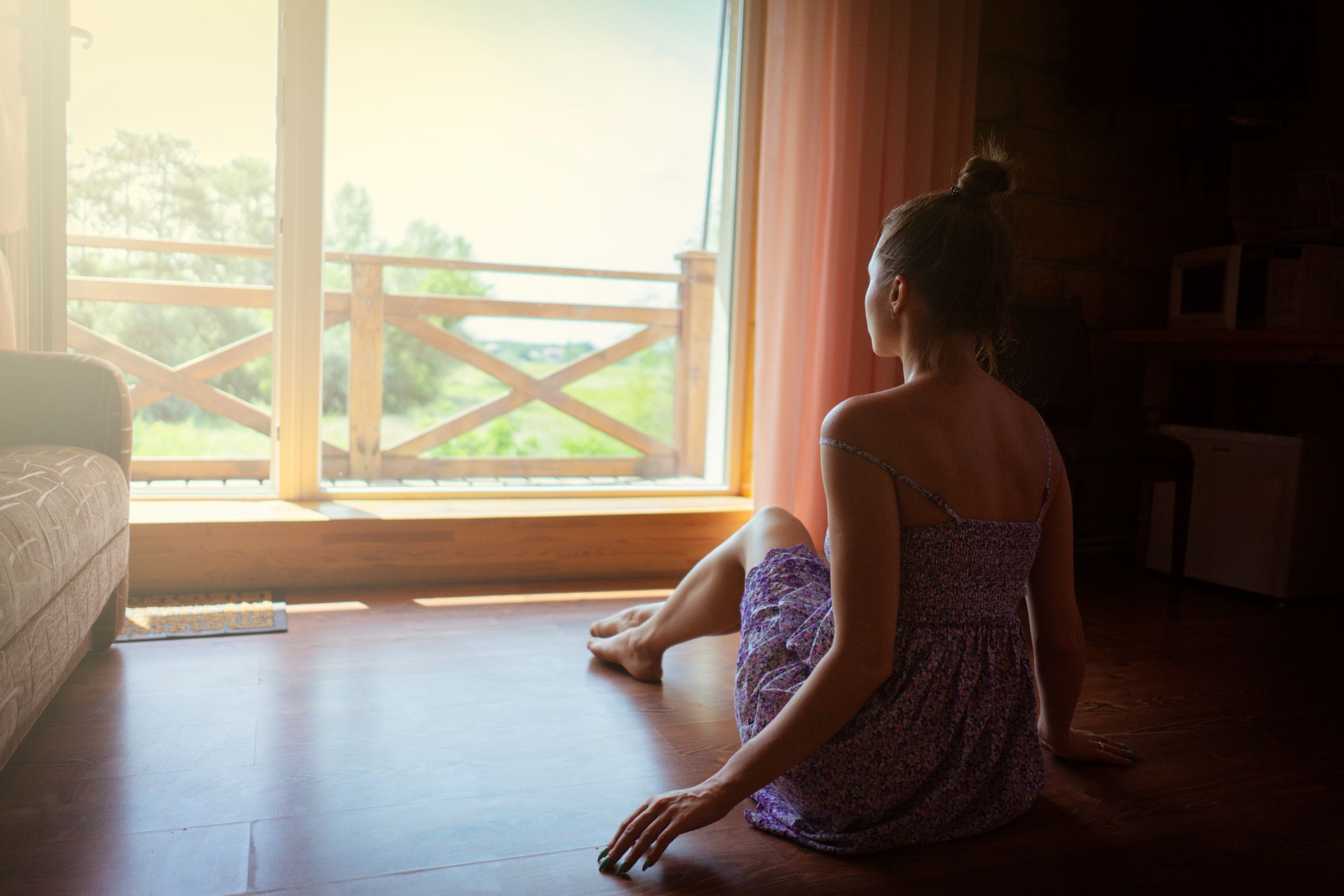
A chair near a window or a corner cleared of clutter may be enough.
The space becomes meaningful through repeated use.
Clutter Can Make Rest Feel Like Another Task
A quiet room does not need to be spotless.
However, too much visual clutter can keep the mind scanning for work.
Every pile becomes a reminder. Each item appears to ask for a decision.
Clearing one small surface can reduce that pressure.
I do not need to redesign the entire room.
I only need enough visual space to let the eyes rest.
A Room Can Hold Evidence of Care
A blanket folded over the chair, a glass of water, or a lamp placed where I need it can change the feeling of the space.
These details say that comfort was considered.
Even when I am the person who arranged them, I receive the care later.
Past effort supports the present moment.
Quiet Can Make a Hotel Room Feel Like Home
While traveling, I often appreciate a quiet room even more.
The day may have involved unfamiliar streets, transportation, conversation, and constant sensory input.
Closing the door to a hotel or guest room creates temporary shelter.
I unpack a few things, dim the light, and allow the room to become mine for the night.
The quiet helps my body arrive in the place where my luggage already sits.
Travel Teaches Me How Much Sound Shapes Rest
A beautiful room does not always provide good rest.
Traffic, thin walls, hallway noise, or loud common areas can keep the body alert.
Meanwhile, a modest room may feel deeply restorative because it offers darkness, safety, and quiet.
Luxury is not only what I can see.
Sometimes, it is what I do not have to hear.
Public Quiet Spaces Matter Too
Not everyone can find quiet at home.
Libraries, parks, museums, community centers, and other public spaces can offer temporary refuge.
These places matter because they allow rest and reflection without requiring purchase or private property.
A society that values well-being needs spaces where people can simply be without constant commercial demand.
Silence Can Be a Form of Access
For people who experience sensory overload, quiet is not a luxury.
It can determine whether a space feels usable at all.
Quiet hours, low-stimulation rooms, and thoughtful environmental design can make public events and institutions more accessible.
Restful spaces benefit many people.
Some need them in order to participate.
Quiet Does Not Mean Nothing Is Happening
From the outside, stillness can look empty.
Inside the body, a great deal may be changing.
Breathing settles. Muscles release, while the mind begins sorting through what the day deposited.
Recovery often happens without spectacle.
Just because rest is not visible does not mean it lacks value.
The Room Lets Me Return Before I Reenter
After enough time alone, I usually feel more able to reconnect.
I can answer a question without resentment, listen more patiently, or return to work with clearer attention.
The room does not make me endlessly available.
It helps me choose how I reenter.
That choice changes the quality of what I give.
Rest That Does Not Need Explaining
I do not always want to explain why I need quiet.
Sometimes, there is no dramatic reason.
I am not in crisis. Nobody has done anything wrong, and I do not need to justify the need with a list of accomplishments or symptoms.
I simply need less noise.
That should be enough.
The Room Became a Small Place of Truth
Sitting in that room, I realized how often I wait for permission to stop.
I look for a natural break in the day, a completed task, or confirmation that nobody else needs me.
Those conditions rarely arrive together.
At some point, rest becomes something I must choose before everything has been finished.
The quiet room made that truth difficult to avoid.
A Quiet Room Lets Me Return to Myself
A quiet room gives back more than people think.
It offers shelter from sound, expectation, and the pressure to remain continuously useful.
Inside it, I can breathe, write, stretch, cry, think, or do nothing at all.
The room does not need to be fancy.
It needs to let my nervous system understand that, for a moment, nothing is chasing me.
Women are not always given that kind of space.
We often have to claim it, protect it, and resist the guilt that appears when we become temporarily unavailable.
Still, the need is real.
Quiet helps me set down the residue of work, worry, hard conversations, and constant screens. It creates enough distance for me to hear what belongs to me beneath all the noise.
A quiet room lets me return to myself.
That is not small.
It is maintenance for the spirit, whether I use religious language for it or not.
Sometimes, the most restorative thing I can do is close the door, soften the light, and remain there long enough to remember that I am more than what the world needs from me.
Explore more reflections on women, rest, boundaries, and intentional living through DG Speaks Culture. You can also read stories about food as care through DG Speaks Food, or discover how quiet rooms and restorative pauses shape the experience of travel through DG Speaks Travel.